
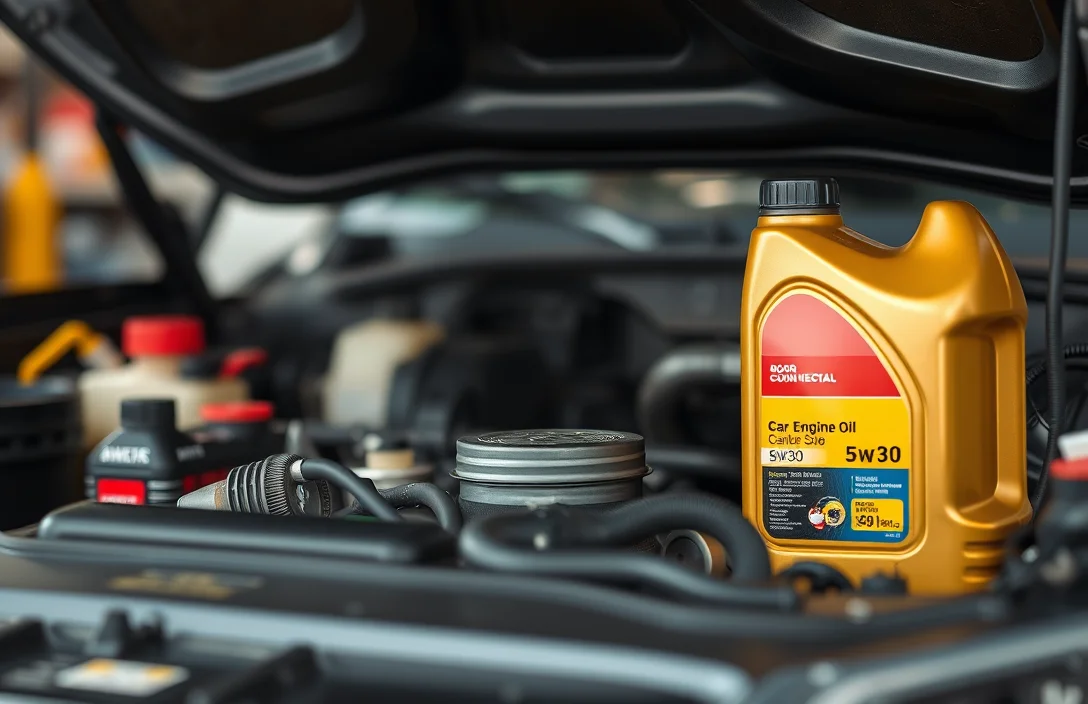
5W30 Engine Oil: Benefits, Specs, and Best Uses for Your Car
Understanding car engine oil is essential for maintaining your vehicle’s performance and longevity. One popular option is 5W30 oil, which plays a crucial role in engine protection, efficiency, and overall function. Knowing how it works can save you time and money in the long run.
5W30 oil is suitable for a variety of temperatures, offering excellent engine protection and fuel efficiency. Its viscosity rating indicates that it flows well at low temperatures while maintaining performance at higher temperatures, making it a versatile choice for many vehicles.
Definition of 5W30 Oil
5W30 oil is a multi-viscosity engine oil that is commonly used in various vehicles. The “5W” indicates the oil’s viscosity at low temperatures, while “30” refers to its viscosity at high temperatures. This oil is designed to provide reliable lubrication and protection for engine components under different operating conditions.
5W30 oil is particularly popular because it balances performance in both cold and warm climates. Its lower viscosity at startup ensures that the engine receives adequate lubrication quickly, reducing wear during cold starts. Conversely, its higher viscosity at operating temperatures helps maintain a protective film over engine components, enhancing performance and fuel efficiency. Many vehicle manufacturers recommend 5W30 oil due to its ability to adapt to varying temperatures, making it a versatile choice for drivers.
Viscosity Explained
Viscosity plays a crucial role in the performance of engine oils, including 5W30. It determines how well the oil flows at various temperatures, affecting lubrication, engine efficiency, and overall performance. Understanding viscosity is essential for optimal engine operation.
- Low-temperature performance: The “5W” in 5W30 indicates the oil’s viscosity at low temperatures. It flows easily in cold conditions, ensuring that the engine receives adequate lubrication during startup. This is vital for reducing wear and tear on engine components.
- High-temperature performance: The “30” signifies the oil’s viscosity at high operating temperatures. At elevated temperatures, 5W30 maintains its thickness, providing a protective film over moving parts. This prevents metal-to-metal contact, which can lead to engine damage.
- Engine efficiency: Proper viscosity ensures that the oil circulates efficiently, reducing friction between engine parts. This efficiency contributes to better fuel economy and improved engine performance.
- Oil breakdown resistance: The right viscosity helps the oil resist breakdown over time, maintaining its protective qualities longer. This leads to extended oil change intervals and better overall engine health.
Key Additives in 5W30
5W30 engine oil is formulated with various additives that enhance its performance and longevity. These additives play crucial roles in ensuring that the oil provides optimal protection, performance, and efficiency for your engine.
Key additives include:
- Detergents: These help keep engine parts clean by preventing the formation of sludge and varnish. They neutralize acids that can form over time, ensuring a cleaner engine and improved performance.
- Dispersants: Similar to detergents, dispersants help to keep contaminants suspended in the oil, preventing them from settling on engine components. This promotes better oil cleanliness and overall engine health.
- Anti-wear agents: These additives, such as zinc dialkyldithiophosphate (ZDDP), form a protective film on metal surfaces to reduce friction and wear during engine operation, extending the life of engine parts.
- Viscosity index improvers: These additives help maintain the oil’s viscosity across a range of temperatures, ensuring the oil remains effective in both cold starts and high-temperature conditions.
- Anti-foaming agents: These reduce the formation of foam in the oil, which can lead to air pockets and decreased lubrication efficiency. This ensures consistent oil flow and protection of engine components.
- Corrosion inhibitors: These protect against rust and corrosion, especially in humid conditions or when the engine is not in use for extended periods.
The combination of these additives makes 5W30 oil versatile and effective for a wide range of driving conditions and engine types.
Recommended Uses of 5W30
5W30 engine oil is versatile and suitable for a wide range of vehicles. Its properties make it particularly effective in various driving conditions, ensuring optimal engine performance and protection. Understanding where and how to use it can significantly enhance vehicle longevity and efficiency.
This oil grade is commonly recommended for modern gasoline-powered vehicles, including sedans, SUVs, and light trucks. It is especially beneficial for engines designed to operate with lower viscosity oils, providing better fuel efficiency and improved cold start performance. Vehicles operating in moderate climates, where temperatures do not frequently drop below freezing, will also benefit from 5W30’s balanced viscosity.
For those who frequently drive in stop-and-go traffic, 5W30 offers excellent wear protection, reducing engine strain. Additionally, it performs well in highway conditions, allowing for smooth operation at higher RPMs. However, it’s essential to consult the vehicle’s owner manual to confirm compatibility, as some high-performance or heavy-duty engines may require specialized oil grades.
Changing 5W30 Oil Procedure
This section provides a clear, step-by-step guide on how to change 5W30 oil in your vehicle. Following these instructions will help ensure that you perform the oil change correctly and maintain your engine’s performance.
- Gather Supplies: Before starting, collect all necessary tools and materials, including a new oil filter, 5W30 oil, an oil catch pan, a wrench, and a funnel.
- Warm Up the Engine: Run the engine for a few minutes to warm the oil. Warm oil drains more easily than cold oil.
- Lift the Vehicle: Use ramps or a jack to elevate the vehicle, ensuring it’s secure and stable.
- Drain Old Oil: Place the oil catch pan under the oil pan. Remove the drain plug using a wrench, allowing the old oil to flow into the pan completely.
- Replace Oil Filter: Use an oil filter wrench to remove the old oil filter. Apply a bit of new oil to the rubber gasket of the new filter, then install it by hand.
- Add New Oil: Replace the drain plug securely and remove the oil fill cap. Using a funnel, pour in the new 5W30 oil as specified in your owner’s manual.
- Check Oil Level: After adding oil, wait a few minutes, then check the oil dipstick to ensure the level is within the recommended range.
- Dispose of Old Oil: Properly dispose of the old oil and filter at a recycling center or an auto parts store that accepts used oil.
5W30 vs Other Oils
5W30 oil is commonly used in many vehicles due to its balanced viscosity characteristics, making it suitable for a wide range of temperatures. Comparing it with other oil grades highlights its strengths and weaknesses, allowing you to make informed decisions about your engine’s lubrication needs.
- 5W30 vs 10W30: Both oils are similar in viscosity at operating temperatures, but 5W30 performs better in colder conditions due to its lower winter rating, making it ideal for cold starts.
- 5W30 vs 5W20: 5W20 has a lower viscosity, providing better fuel efficiency but may offer less protection under high-stress conditions compared to 5W30, which maintains better stability at higher temperatures.
- 5W30 vs 10W40: 10W40 is thicker at high temperatures, which can offer better protection in hotter climates but may lead to decreased fuel economy and harder starts in cold weather compared to 5W30.
- 5W30 vs Synthetic Oils: Synthetic variants of 5W30 provide superior performance in extreme temperatures and longer intervals between changes, reducing engine wear compared to conventional 5W30 oils.
Understanding these comparisons helps in selecting the right oil for your vehicle, balancing performance, protection, and efficiency based on your driving conditions.
Quick Summary
- 5W30 is a multi-viscosity oil suitable for a wide range of temperatures.
- The “5” indicates the oil’s viscosity at low temperatures, ensuring easy engine start-up.
- The “30” indicates viscosity at higher temperatures, providing adequate protection during engine operation.
- Commonly recommended for modern gasoline engines, but can also be used in diesel engines.
- Helps improve fuel efficiency and reduce engine wear over time.
- Available in synthetic, conventional, and blended formulations, offering flexibility for different needs.
- Regularly checking and changing oil can enhance engine performance and longevity.
Frequently Asked Questions
What does 5W30 mean in engine oil?
The “5W” indicates the oil’s viscosity at low temperatures, with “W” standing for winter. The “30” denotes the oil’s viscosity at high temperatures. This means 5W30 oil is suitable for colder starting conditions while maintaining effective performance in warmer temperatures.
What are the benefits of using 5W30 oil?
5W30 oil provides excellent engine protection and fuel efficiency across a wide range of temperatures. It helps reduce engine wear during cold starts and maintains optimal lubrication at higher temperatures, making it a versatile choice for many vehicles.
Is 5W30 oil suitable for all vehicles?
Not all vehicles require 5W30 oil; it’s essential to check your owner’s manual for the manufacturer’s specifications. Some engines may require different viscosity oils based on their design and operating conditions.
How often should I change 5W30 engine oil?
The general recommendation is to change your oil every 5,000 to 7,500 miles, but this can vary based on driving habits and conditions. Always refer to your vehicle’s manual for the specific oil change interval for optimal performance.
Can I mix 5W30 with other oil viscosities?
While it’s technically possible to mix different viscosities, it’s not recommended as it can compromise the oil’s performance and protective qualities. If you need to top off your oil, it’s best to use the same viscosity and type as specified in your vehicle’s manual.

- 5W30 Engine Oil: Benefits, Specs, and Best Uses for Your Car - March 21, 2026
- Car Cooling System Diagram: Key Components & Layout Explained - March 20, 2026
- Resolve Mixing Engine Oil Issues: Tips for Optimal Performance - March 20, 2026