
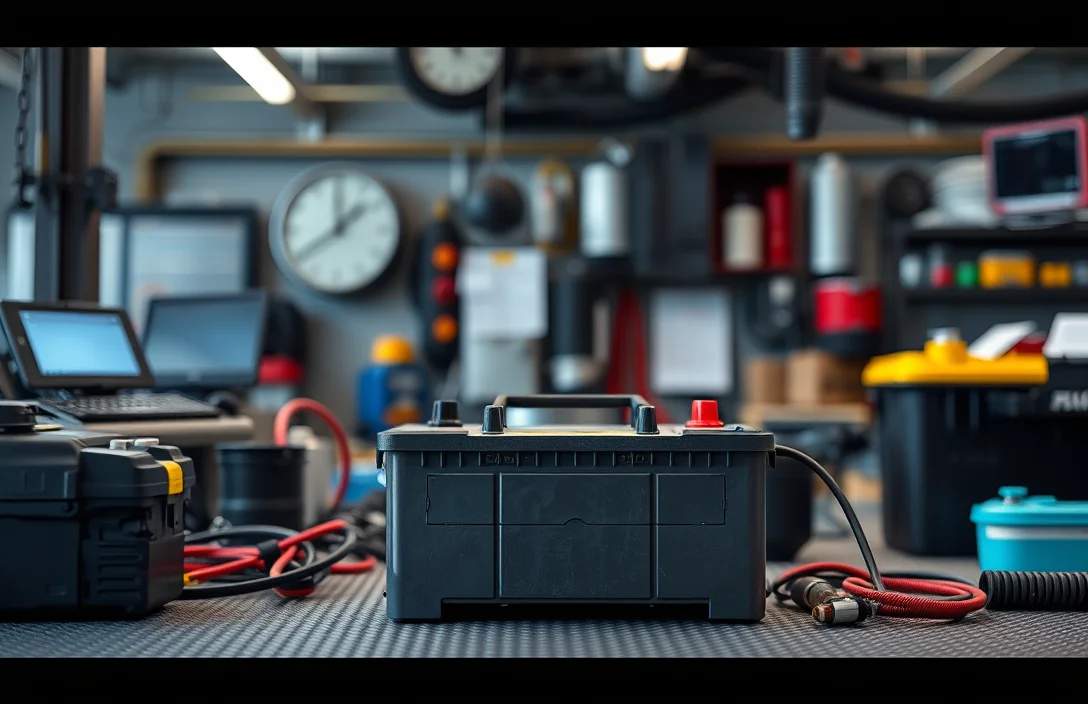
Automotive Batteries Explained: Types, Functions & Key Features
Understanding automotive batteries is essential for anyone interested in cars. These power sources are not just components; they are the lifeblood of vehicles, influencing performance and reliability. Knowing how they work and their types can significantly enhance your automotive knowledge.
Automotive batteries serve as the main power source for vehicles, providing energy for starting engines and powering electrical systems. Key types include lead-acid, lithium-ion, and AGM batteries, each with unique features and applications.
Core Function of Batteries
Automotive batteries are essential components in vehicles, serving primarily as energy storage devices. They store electrical energy generated by the alternator and provide power for starting the engine and operating electrical systems when the engine is not running.
These batteries are designed to deliver a quick burst of energy to start the engine, which requires significant power. Once the engine is running, the alternator takes over, replenishing the battery and supplying power to the vehicle’s electrical systems, such as lights, radio, and air conditioning. The ability to store energy efficiently and provide reliable power is critical for the overall functionality of modern vehicles.
In addition to starting the engine, automotive batteries also act as a stabilizer for voltage fluctuations in the electrical system. This ensures that sensitive electronic components receive a consistent voltage, thereby prolonging their lifespan and enhancing vehicle performance.
Battery Chemistry Basics
Understanding the chemical reactions that power automotive batteries is crucial for grasping how they function. These reactions involve the movement of electrons and ions, which facilitate the conversion of chemical energy into electrical energy. Two common types of automotive batteries are lead-acid and lithium-ion, each employing different chemical processes.
Electrochemical Reactions
Electrochemical reactions in batteries occur at the electrodes, where oxidation and reduction take place. In a lead-acid battery, the positive plate consists of lead dioxide (PbO2), while the negative plate is made of sponge lead (Pb). During discharge, lead dioxide reacts with sulfuric acid (H2SO4), leading to the formation of lead sulfate (PbSO4) and water, releasing energy. Conversely, during charging, the reaction reverses, regenerating lead dioxide and lead.
Lithium-ion batteries, commonly used in modern electric vehicles, utilize lithium compounds for their electrodes. The positive electrode is typically lithium cobalt oxide (LiCoO2), while the negative electrode is made of graphite. During discharge, lithium ions move from the anode to the cathode, producing electrical energy. Charging reverses this process, with lithium ions migrating back to the anode.
These electrochemical processes are fundamental to battery performance, efficiency, and longevity, making them essential knowledge for anyone interested in automotive battery technology.
Key Battery Components
Understanding the key components of automotive batteries is essential for grasping how they function and contribute to vehicle performance. Each part plays a crucial role in generating and storing electrical energy required for starting the engine and powering electrical systems.
Electrolyte
The electrolyte in an automotive battery is a solution of sulfuric acid and water. It facilitates the chemical reactions that occur between the electrodes during discharging and charging. The concentration of the electrolyte affects the battery’s efficiency and performance. Proper maintenance of the electrolyte level is vital for optimal battery function.
Electrodes
Electrodes are the conductive materials within the battery that participate in the electrochemical reactions. Automotive batteries typically have two types of electrodes: the positive electrode (cathode) made of lead dioxide and the negative electrode (anode) made of sponge lead. These electrodes store and release electrical energy during operation.
Separator
The separator is a critical component that prevents direct contact between the positive and negative electrodes, which could cause a short circuit. It allows ions to pass through while maintaining the integrity of the battery structure. Made from porous materials, the separator ensures that the electrochemical reactions occur efficiently without risk of failure.
Battery Maintenance Techniques
Proper maintenance of automotive batteries is essential for ensuring longevity and reliability. Regular inspections and cleaning can prevent issues and enhance performance. Below are effective methods to maintain your battery.
Regular Inspections
Conduct visual inspections of the battery at regular intervals. Look for signs of corrosion, cracks, or leaks. Ensure that the battery terminals are secured and free from damage. Check the fluid levels in non-maintenance-free batteries; low levels can lead to poor performance. Testing the battery’s voltage with a multimeter can also indicate its health. Ideally, a fully charged battery should read around 12.6 volts or more.
Cleaning Terminals
Cleansing the battery terminals is crucial for maintaining a good connection. Corrosion can build up over time, impacting performance. Use a mixture of baking soda and water to clean the terminals. Apply the solution with a brush, scrubbing away any buildup. After cleaning, rinse with water and dry thoroughly to prevent moisture accumulation. Once dry, apply a thin layer of petroleum jelly to the terminals to reduce future corrosion.
Charging Methods Explained
Understanding the various charging methods for automotive batteries is crucial for maintaining their performance and longevity. Different techniques cater to specific situations, ensuring that batteries are charged efficiently and effectively.
Trickle Charging
Trickle charging is a low-current charging method that maintains a battery’s charge without overcharging it. This technique is often used for batteries that are not in regular use, such as those in classic cars or seasonal vehicles. By delivering a steady, low-level charge, trickle chargers keep the battery topped off without damaging it. This method is particularly beneficial in preventing sulfation, a common issue in lead-acid batteries when they are left in a discharged state for extended periods.
Fast Charging
Fast charging, on the other hand, delivers a higher current to charge the battery quickly. This method is commonly employed in emergency situations or when time constraints exist. While fast charging can significantly reduce the time needed to restore a battery to full capacity, it can generate heat, which may adversely affect battery life if not monitored properly. Many modern chargers have built-in safety features to regulate temperature and prevent damage during fast charging sessions.
Comparing Battery Types
This section analyzes the key differences between various automotive battery types, focusing on their construction, performance, and applications. Understanding these distinctions will help in selecting the right battery for specific automotive needs.
Lead-Acid Batteries are the most traditional and widely used type in automotive applications. They are affordable and reliable, making them ideal for starting engines. However, they are heavy and have a limited lifecycle, typically lasting 3-5 years. Their performance can also be affected by temperature extremes.
Lithium-Ion Batteries have gained popularity in electric vehicles due to their superior energy density and lighter weight. They can last significantly longer than lead-acid batteries, often exceeding 10 years. However, they come at a higher cost and require sophisticated management systems to ensure safety and efficiency.
Nickel-Metal Hydride (NiMH) Batteries are commonly used in hybrid vehicles. They offer a balance between performance and cost, providing better energy storage than lead-acid batteries while being less expensive than lithium-ion. Their lifecycle is generally within the range of 5-10 years, but they can be less efficient in cold weather.
Choosing the right battery type depends on factors such as vehicle requirements, budget, and intended use. Each battery type has its strengths and weaknesses that should be carefully considered.
Real-World Battery Applications
This section highlights the practical applications of various battery types in automotive settings, focusing on their roles in enhancing vehicle performance and efficiency. Understanding these applications provides insight into how batteries contribute to modern automotive technologies.
- Start-Stop Systems: Many new vehicles feature start-stop technology, which automatically shuts off the engine when the car is idling and restarts it when the driver releases the brake. This system reduces fuel consumption and emissions. Advanced lead-acid batteries or absorbed glass mat (AGM) batteries are commonly used here due to their ability to handle frequent cycling.
- Electric Vehicles (EVs): EVs rely on high-capacity lithium-ion batteries to power electric motors. These batteries provide the energy needed for long-range travel and fast acceleration. They are designed for optimal performance, longevity, and efficiency, with advanced thermal management systems to maintain safe operating temperatures.
- Hybrid Vehicles: Hybrids combine traditional internal combustion engines with electric power. They utilize both a gasoline engine and a smaller battery pack, typically a nickel-metal hydride (NiMH) battery, to improve fuel efficiency. The electric motor assists during acceleration and recaptures energy during braking.
- Accessory Power: Batteries also power electronic accessories in vehicles, such as infotainment systems, navigation, and lighting. Standard lead-acid batteries supply this power, ensuring that these systems operate effectively without draining the main battery used for starting the engine.
Quick Summary
- Automotive batteries provide the electrical energy necessary to start a vehicle and power its electrical systems.
- The most common type of automotive battery is the lead-acid battery, which uses lead dioxide and sponge lead as electrodes.
- Battery capacity is measured in amp-hours (Ah), indicating how much current a battery can provide over a specific period.
- Modern vehicles may also use lithium-ion batteries, especially in hybrid and electric vehicles, due to their higher energy density and lighter weight.
- Battery maintenance can include checking fluid levels, cleaning terminals, and ensuring proper charging to extend battery life.
- Cold temperatures can significantly affect battery performance, reducing its ability to hold a charge and deliver power.
- Proper disposal and recycling of automotive batteries are crucial due to their toxic components and environmental impact.
Frequently Asked Questions
What is an automotive battery and how does it work?
An automotive battery is a rechargeable energy storage device that provides electrical power to start the engine and run electrical components in a vehicle. It works by converting chemical energy into electrical energy through a series of electrochemical reactions.
What are the different types of automotive batteries?
The most common types of automotive batteries are lead-acid, absorbed glass mat (AGM), and lithium-ion batteries. Lead-acid batteries are widely used due to their cost-effectiveness, while AGM batteries are known for their durability and resistance to vibration. Lithium-ion batteries are becoming popular in electric vehicles due to their lighter weight and higher energy density.
How long do automotive batteries typically last?
On average, automotive batteries last between three to five years, depending on usage and environmental factors. Extreme temperatures, frequent short trips, and lack of maintenance can shorten their lifespan.
What are the signs that my automotive battery needs to be replaced?
Common signs that your automotive battery may need replacement include slow engine cranking, dimming headlights, and electrical issues with accessories. If you notice any of these symptoms or if your battery is older than three years, it’s a good idea to have it tested.
How can I maintain my automotive battery for longevity?
To maintain your automotive battery, keep the terminals clean and free of corrosion, ensure it is securely mounted, and check the fluid levels if applicable. Regularly driving your vehicle also helps to keep the battery charged and in good condition.

- Automotive Batteries Explained: Types, Functions & Key Features - March 22, 2026
- 5W30 Engine Oil: Benefits, Specs, and Best Uses for Your Car - March 21, 2026
- Car Cooling System Diagram: Key Components & Layout Explained - March 20, 2026