
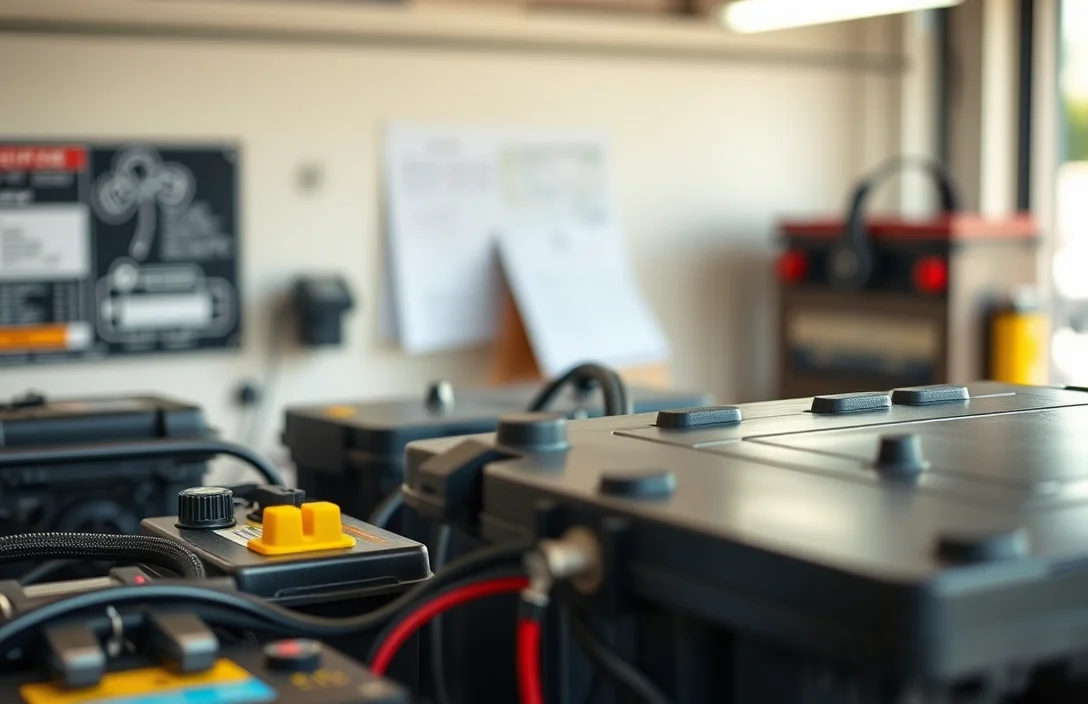
Understanding car batteries is essential for anyone who relies on their vehicle. These powerhouses do more than just start your engine; they play a critical role in your car’s electrical system and overall performance. This article will cover everything you need to know about car batteries.
Car batteries are crucial for starting your engine and powering electrical systems. Key points include types of batteries, maintenance tips, signs of failure, and recycling options. Knowing these can help you make informed decisions to keep your vehicle running smoothly.
Car Battery Basics
Car batteries are essential components of automotive systems, providing the electrical energy required to start the engine and power various electronic features. Understanding their function and significance is crucial for maintaining vehicle performance and reliability.
A car battery is a rechargeable energy storage device that converts chemical energy into electrical energy. It primarily serves to start the engine by providing a burst of power to the starter motor. Additionally, car batteries supply energy to the vehicle’s electrical systems, such as lights, radio, and air conditioning, when the engine is not running.
Modern vehicles typically use lead-acid batteries, which are composed of lead plates submerged in an electrolyte solution. These batteries are designed to withstand various environmental conditions and deliver high current for short durations. Proper maintenance, such as regular inspections and ensuring clean terminals, can extend a car battery’s lifespan and enhance overall vehicle performance.
Chemistry of Batteries
The chemistry behind car batteries is centered on electrochemical reactions that store and release energy. These reactions occur within the battery’s cells, converting chemical energy into electrical energy, which powers the vehicle’s electrical systems and starts the engine.
Car batteries primarily use lead-acid chemistry, where lead dioxide (PbO2) and sponge lead (Pb) serve as the active materials. The electrolyte, a dilute sulfuric acid solution, facilitates the movement of ions between the positive and negative plates during the discharge and charge cycles.
During discharge, lead dioxide at the positive plate reacts with hydrogen ions from the electrolyte, producing lead sulfate (PbSO4) and water. At the same time, sponge lead at the negative plate also converts to lead sulfate. This process generates electrical energy. When the battery recharges, the reactions are reversed, restoring the original materials and enabling the battery to be used again.
Understanding these chemical reactions is crucial for maintaining battery performance and longevity. Different battery types, such as lithium-ion or nickel-metal hydride, operate on similar principles but involve various materials and reactions, affecting their efficiency, lifespan, and application.
Key Components Explained
This section outlines the main parts of a car battery, which are essential for its functionality and performance. Understanding these components can aid in recognizing issues and the overall operation of the battery.
Lead Plates
Lead plates are the core of the battery and play a crucial role in the electrochemical reactions that generate electricity. There are typically two types of lead plates: positive and negative. The positive plates are coated with lead dioxide, while the negative plates are made of sponge lead. These plates are submerged in the electrolyte solution, facilitating the necessary reactions for energy production.
Electrolyte Composition
The electrolyte in a car battery is comprised of sulfuric acid mixed with water. This solution conducts ions between the lead plates, enabling the electrochemical reactions to occur. The concentration of the electrolyte is critical; too low can lead to battery failure, while too high can cause damage to the plates.
Separator Function
Separators are insulating materials placed between the lead plates to prevent short circuits. They allow ions to pass through while keeping the plates from touching each other. Common materials used for separators include polyethylene and glass fiber, which enhance the battery’s safety and efficiency by maintaining the integrity of the electrochemical reactions.
Battery Maintenance Techniques
Maintaining your car battery is essential for ensuring longevity and optimal performance. Simple practices can significantly extend the life of your battery and help prevent unexpected failures. Below are practical methods for effective battery maintenance.
Regular Inspections
Inspect your battery every few months for signs of wear and corrosion. Check for any cracks or bulges in the casing, which can indicate damage. Look for corrosion around the terminals, which appears as a white, ashy substance. If you notice any issues, address them promptly to avoid further complications.
Cleaning Terminals
Corroded terminals can hinder battery performance. Clean the terminals using a mixture of baking soda and water. Apply the solution with a brush, then rinse with clean water and dry thoroughly. Reconnect the terminals, ensuring they are tight and secure.
Water Levels Management
If you have a lead-acid battery, check the water levels regularly. The electrolyte should cover the plates inside the battery. If it’s low, add distilled water until the levels are adequate. Avoid overfilling, as this can lead to spillage and damage.
Troubleshooting Battery Issues
Identifying and fixing common car battery problems can extend the life of your battery and improve vehicle performance. Understanding the signs of battery failure and testing methods can help you troubleshoot effectively. Follow these steps for practical guidance.
- Check for Warning Signs: Look for dimming headlights, slow engine cranking, or electrical accessories malfunctioning. These can indicate a weak battery.
- Inspect Battery Condition: Examine the battery for corrosion, leaks, or physical damage. Corroded terminals can affect performance.
- Test Battery Voltage: Use a multimeter to check the battery voltage. A healthy battery should read around 12.6 volts or higher when fully charged.
- Perform a Load Test: Conduct a load test using a battery tester. This tests the battery under a simulated load to determine its ability to hold voltage.
- Check the Charging System: Ensure the alternator is functioning properly. A failing alternator can prevent the battery from charging adequately.
- Replace if Necessary: If the battery fails any tests or shows severe signs of wear, replacement is recommended to avoid being stranded.
Comparing Battery Types
This section compares the various car battery types, focusing on their unique characteristics, advantages, and disadvantages. Understanding these differences is crucial for choosing the right battery for your vehicle and driving needs.
| Battery Type | Pros | Cons |
|---|---|---|
| Lead-Acid |
|
|
| Lithium-Ion |
|
|
| AGM |
|
|
| Flooded |
|
|
Start-stop batteries are specifically designed for vehicles with start-stop technology, providing quick bursts of energy to restart the engine efficiently. They often use AGM technology for enhanced performance.
Real-World Case Studies
This section presents practical examples of car battery usage and failures, highlighting common scenarios and successful maintenance strategies. By understanding these real-world cases, car owners can better manage their batteries and avoid potential issues.
Common Failure Scenarios
One common scenario involves leaving lights on overnight, which can lead to a dead battery by morning. A driver in a cold climate discovered this the hard way, requiring a jump start to get back on the road. Another frequent issue is sulfation, where lead sulfate crystals build up on battery plates due to infrequent use of a vehicle. This can cause reduced capacity and ultimately battery failure, as experienced by a commuter who only used their car on weekends.
Successful Maintenance Stories
Regular maintenance can significantly extend battery life. A fleet manager implemented a routine check-up schedule for their vehicles, ensuring that battery terminals were clean and connections were tight. This proactive approach resulted in fewer breakdowns and a 20% reduction in battery replacements over the year. Another individual adopted a habit of charging their battery monthly to prevent sulfation, which led to a consistently reliable vehicle, even after years of ownership.
Quick Summary
- Car batteries are essential for starting the engine and powering electrical systems in vehicles.
- Most car batteries are lead-acid types, which consist of lead plates and sulfuric acid.
- Battery maintenance, such as checking fluid levels and keeping terminals clean, can extend battery life.
- Common signs of a failing battery include slow engine cranking, dim headlights, and corrosion at terminals.
- Temperature extremes can affect battery performance; cold weather can reduce capacity, while heat can accelerate deterioration.
- Regular testing and replacement every 3-5 years are recommended to ensure reliability.
- Newer technologies, like lithium-ion batteries, are being developed for electric vehicles and may offer advantages over traditional batteries.
Frequently Asked Questions
What is a car battery and how does it work?
A car battery is a rechargeable energy storage device that provides the electrical power needed to start the engine and power electrical components in the vehicle. It stores energy in the form of chemical energy and converts it into electrical energy through a chemical reaction.
How often should I replace my car battery?
Generally, a car battery should be replaced every 3 to 5 years, depending on factors such as climate, driving habits, and battery maintenance. It’s important to check the battery’s condition regularly to ensure optimal performance and prevent unexpected failures.
What are the signs of a failing car battery?
Common signs of a failing car battery include difficulty starting the engine, dim headlights, and electrical issues with accessories. If you notice any of these symptoms, it’s advisable to have your battery tested and potentially replaced.
Can I jump-start a car with a dead battery?
Yes, you can jump-start a car with a dead battery using jumper cables and another vehicle’s battery. Make sure to follow the correct procedure to avoid damaging the electrical systems of either car.
How can I extend the life of my car battery?
To extend the life of your car battery, ensure that it is securely mounted, keep the terminals clean and free of corrosion, and perform regular maintenance checks. Additionally, avoid short trips that don’t allow the battery to fully charge and consider using a battery maintainer if your vehicle is not used regularly.

- Car Batteries 101: Types, Maintenance Tips, and Buying Guide - March 28, 2026
- How Engine Oil Powers Performance: Key Benefits Explained - March 26, 2026
- Car Batteries 101: Types, Functions, and Maintenance Tips - March 25, 2026