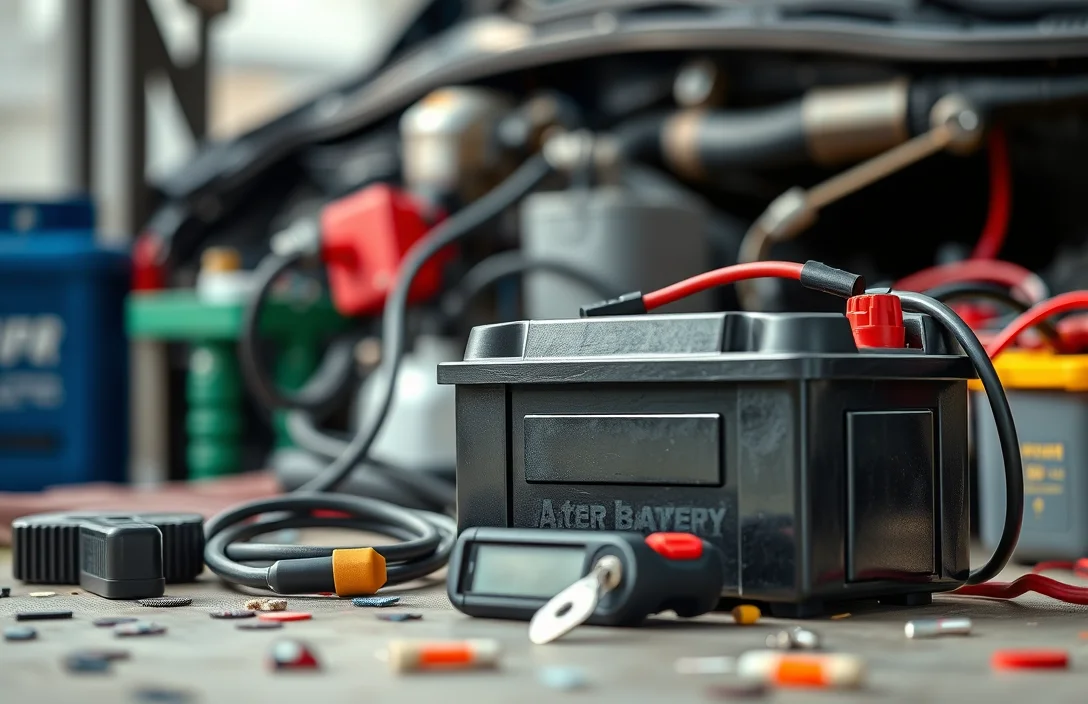
Car Battery Booster Basics: Start Your Vehicle in Minutes
Have you ever found yourself stranded with a dead car battery? It can be a frustrating experience, especially when you’re in a hurry. Understanding what a car battery booster is can save you time and hassle on the road.
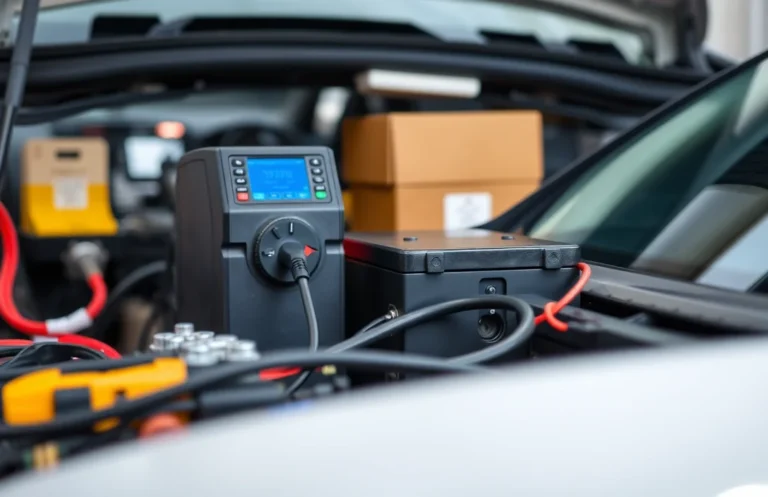
A car battery booster is a portable device designed to jump-start your vehicle’s battery. It provides instant power to your engine, enabling you to get back on the road quickly. These devices are compact, making them easy to store in your car.
Definition of Car Battery Booster
A car battery booster, commonly referred to as a jump starter, is a portable device designed to provide an extra surge of power to start a vehicle with a depleted battery. Its primary function is to supply the necessary voltage and current to crank the engine when the battery is unable to do so due to discharge or failure.
These devices are essential for drivers who may find themselves with a dead battery, especially in situations where traditional jumper cables and another vehicle are unavailable. Modern battery boosters come equipped with various features, including built-in safety mechanisms, USB ports for charging devices, and LED flashlights to aid in emergencies. They are compact and easy to use, making them a practical solution for quick battery assistance.
Mechanism of Action
A car battery booster operates by providing a significant surge of power to start a vehicle with a dead or weak battery. The process is straightforward, and understanding the steps involved can clarify how these devices function effectively.
- Connection: The booster is connected to the vehicle’s battery, typically through clamps that attach to the positive and negative terminals. Proper connection is crucial to ensure safety and effectiveness.
- Power Transfer: Once connected, the booster delivers a high-voltage current to the vehicle’s battery. This surge of power is essential to initiate the starting process of the engine.
- Starter Engagement: The voltage provided by the booster allows the starter motor to engage. This motor turns the engine over, allowing it to start functioning.
- Disconnection: After the vehicle starts, the booster is disconnected. It is important to remove the clamps in the reverse order of connection to prevent any electrical short circuits.
Understanding these steps illustrates how a car battery booster can effectively revive a vehicle’s ability to start when the main battery fails.
Key Components Explained
A car battery booster consists of several key components that work together to provide the necessary power to start a vehicle. Understanding these components helps in selecting the right booster for specific needs and ensuring effective use during emergencies.
1. Battery Pack: The core component of a car battery booster is its battery pack, which stores electrical energy. These packs vary in capacity, measured in milliamp hours (mAh), and influence how many jump starts can be performed before needing a recharge.
2. Jumper Cables: Usually included with a battery booster, these cables connect the booster to the vehicle’s battery. They are designed to handle high current flow, often featuring color-coded clamps for easy connection: red for positive and black for negative.
3. Power Button and Indicators: Most boosters have a power button to activate the device. Additionally, LED indicators display the charge level of the booster, ensuring the user knows when it needs recharging.
4. Safety Features: High-quality boosters come equipped with safety features such as reverse polarity protection, short circuit protection, and overcurrent protection, preventing damage to both the booster and the vehicle.
5. Additional Ports: Many modern battery boosters include USB ports for charging mobile devices or other electronic gadgets, providing added convenience in emergencies.
Starting a Vehicle with Boosters
Using a car battery booster to start a vehicle with a dead battery is a straightforward process. This technique allows you to get your vehicle running again quickly and safely. Follow these steps to ensure a successful jump-start using a booster pack.
1. Ensure safety: Before starting, wear safety goggles and gloves to protect against any potential sparks or acid leaks. Make sure the vehicle is in park, and the ignition is off.
2. Connect the booster: Take the booster pack and locate the positive (+) and negative (-) terminals. Connect the red clamp to the positive terminal of the dead battery and the black clamp to a metal ground on the vehicle’s frame, away from the battery.
3. Power on the booster: Once the clamps are securely connected, turn on the booster pack. Wait a few seconds to allow the power to transfer to the dead battery.
4. Start the vehicle: Attempt to start the vehicle. If it doesn’t start immediately, wait a minute and try again. If the engine starts, let it run for a few minutes to charge the battery further.
5. Disconnect safely: After the vehicle is running, turn off the booster pack and carefully disconnect the clamps in reverse order—first the black (negative) clamp, then the red (positive) clamp. Store the booster pack properly.
Using a car battery booster is an efficient way to address a dead battery, allowing you to resume your travels with minimal interruption.
Charging Options with Boosters
Car battery boosters not only help start a vehicle but also provide options for charging batteries and supplying power to various devices. Understanding these capabilities can enhance the utility of a booster, making it a versatile tool for drivers.
- Direct Battery Charging: Many battery boosters come equipped with a built-in charger that allows you to connect the booster directly to the battery terminals. This feature can recharge a depleted battery over time, providing a slow and steady supply of power.
- USB Power Supply: Some models include USB ports that enable users to charge smartphones, tablets, and other devices while on the road. This is particularly useful in emergencies when access to traditional power sources is limited.
- AC Power Inverter: Higher-end battery boosters may have an AC inverter, allowing them to provide standard electrical power. This can be used for small appliances or electronics, making them ideal for camping or roadside assistance.
- Smart Charging Technology: Advanced boosters often feature smart technology that adjusts the charging rate based on the battery’s condition. This ensures optimal charging without risking damage to the battery.
These charging options enhance the functionality of car battery boosters, making them valuable assets for drivers facing various power needs.
Real-Life Usage Scenarios
Understanding how a car battery booster can be beneficial in real-life situations helps to appreciate its value. Here are some practical scenarios where having a battery booster proves essential.
During winter months, extremely low temperatures can drain a vehicle’s battery. If you find yourself stranded in a parking lot with a dead battery, a car battery booster can quickly provide the power needed to restart your vehicle without waiting for roadside assistance.
Long road trips often come with the risk of battery failure, especially if the vehicle is older. Carrying a battery booster as a precaution can save you time and hassle, allowing you to jumpstart your car and continue your journey without delay.
For those who use their vehicles infrequently, such as classic car owners or weekend drivers, a battery booster can prevent the inconvenience of a dead battery. Regularly checking your battery’s health and having a booster on hand ensures you’re prepared for unexpected situations.
Additionally, battery boosters are useful for emergency responders and professionals who work in remote areas. Having a reliable booster can assist in quickly reviving vehicles on-site, ensuring that operations run smoothly without unnecessary downtime.
Comparing Battery Booster Types
Understanding the different types of car battery boosters is crucial for selecting the right one for your needs. Each type offers unique features, advantages, and limitations, making it essential to consider your specific requirements and preferences.
| Type | Features | Pros | Cons |
|---|---|---|---|
| Jump Starter | Portable, often includes USB ports for charging devices | Compact, user-friendly, multi-functional | May require recharging, limited power for larger vehicles |
| Traditional Jumper Cables | Requires another vehicle, clamps connect directly to battery | Reliable, cost-effective, works with any vehicle | Less portable, dependent on another vehicle |
| Battery Charger | Connects to the battery for slow charging | Can restore dead batteries, ideal for long-term use | Not portable, requires time to charge |
Selecting the right battery booster depends on your specific needs. For instance, if portability and convenience are priorities, a jump starter may be best. Conversely, if you often deal with dead batteries at home, a battery charger could serve you well. Evaluate your situation to choose wisely.
Quick Summary
- A car battery booster is a portable device designed to provide a quick jump-start to a vehicle with a dead battery.
- It contains a battery or a capacitor that stores electrical energy for starting engines.
- Many models come with built-in safety features to prevent overcharging and short-circuiting.
- Boosters are generally compact, making them easy to store in a car for emergencies.
- They often include additional features such as USB ports for charging devices and built-in flashlights.
- Using a battery booster can save time and eliminate the need for jumper cables and another vehicle.
- Regularly charging the booster ensures it’s ready for use when needed.
Frequently Asked Questions
What is a car battery booster?
A car battery booster, also known as a jump starter, is a portable device that provides extra power to start a vehicle with a dead battery. It typically includes a battery, jumper cables, and various safety features to ensure safe operation.
How does a car battery booster work?
A car battery booster works by supplying a high burst of electrical current to the car’s starter motor, allowing it to crank the engine. This is achieved through built-in batteries that store energy and deliver it when needed.
Is it safe to use a car battery booster?
Yes, car battery boosters are designed with safety features such as reverse polarity protection and short-circuit prevention. However, it’s important to follow the manufacturer’s instructions to avoid any accidents during use.
Can I use a car battery booster for other devices?
Many modern car battery boosters come with additional ports for charging devices like smartphones or laptops. However, ensure that the output specifications match the requirements of the device you’re charging to avoid damage.
How do I choose the right car battery booster?
When choosing a car battery booster, consider factors such as peak amp rating, battery capacity, size, and additional features like USB ports or built-in air compressors. It’s also wise to read reviews and check for reliability and brand reputation.

- Find the Right Engine Oil for Your Car: A Quick Guide - March 1, 2026
- Car Battery Booster Basics: Start Your Vehicle in Minutes - March 1, 2026
- How Long Does It Take To Charge A Motorcycle Battery Charging Time Guide - February 28, 2026