Car Battery Composition: Key Materials Explained in Simple Terms
Have you ever wondered what powers your vehicle? The car battery is a crucial component, but its construction often remains a mystery. Understanding what it’s made of can enhance your knowledge of vehicle maintenance and performance, making you a more informed driver.
A car battery is primarily made of lead, lead dioxide, and sulfuric acid. These materials combine to create a chemical reaction that produces electricity. Additionally, modern batteries may include plastic enclosures and electrolytes for safety and efficiency.
Car Battery Basics
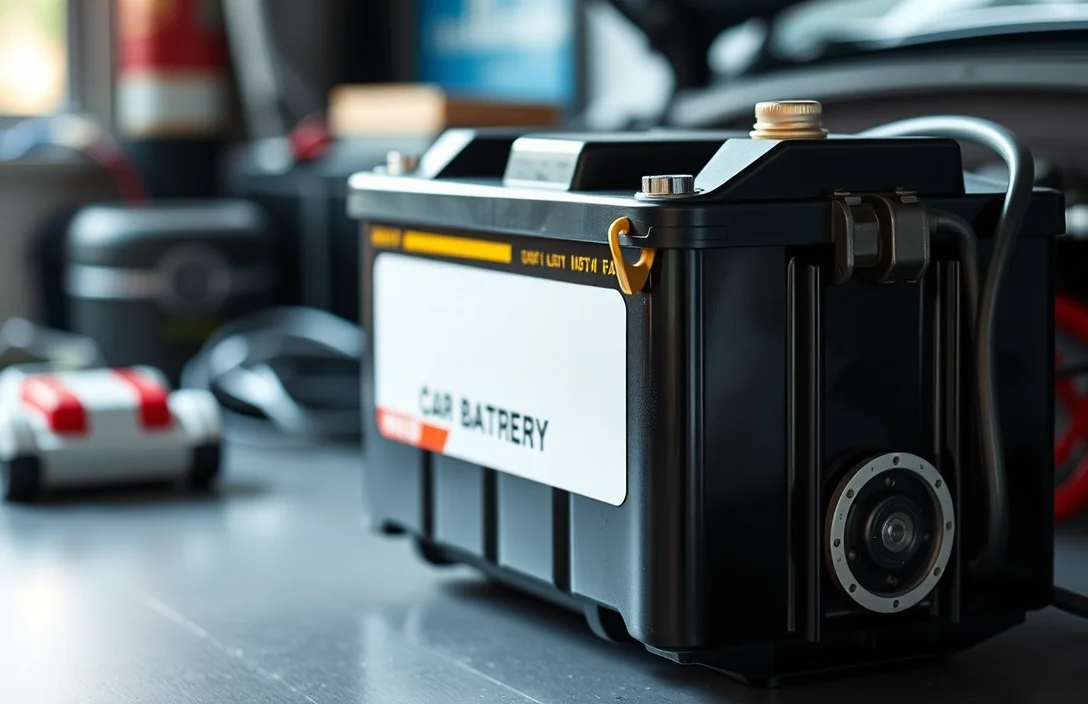
A car battery is an essential component of a vehicle, primarily responsible for providing the electrical energy needed to start the engine and power various electrical systems. It acts as a reservoir of electrical energy, supplying power to the starter motor, ignition system, and other electronic parts when the engine is not running.
Typically, car batteries are designed to deliver a large amount of current in short bursts, enabling the engine to start quickly. Once the engine is running, the vehicle’s alternator takes over, recharging the battery while supplying power to the car’s electrical systems. Understanding what a car battery is made of helps in grasping its functionality and maintenance requirements. The most common type found in vehicles is the lead-acid battery, known for its reliability and efficiency. In the following sections, we will explore the specific materials that constitute a car battery and their roles in its operation.
Lead-Acid Composition
Lead-acid batteries, commonly used in vehicles, consist of several key components that contribute to their function and performance. Understanding these materials is essential for grasping how these batteries operate and their role in powering vehicles.
The primary materials in lead-acid batteries are lead and sulfuric acid. The battery contains lead plates, which are typically made of a mixture of lead and lead dioxide. These plates serve as electrodes: the positive plate is primarily lead dioxide, while the negative plate is composed of sponge lead. The interaction of these plates facilitates the electrochemical reactions needed for electricity generation.
The electrolyte solution, composed of diluted sulfuric acid, plays a crucial role in the battery’s functionality. This acidic solution allows ions to move between the lead plates during the charging and discharging processes, enabling the conversion of chemical energy into electrical energy. The balance of lead and sulfuric acid in these batteries results in a reliable power source that is both efficient and relatively cost-effective.
Lithium-Ion Components
Lithium-ion car batteries are composed of several key materials that contribute to their efficiency and performance. Understanding these components is essential for grasping how these batteries function and their advantages over traditional lead-acid batteries.
Lithium Cobalt Oxide is commonly used as a cathode material in lithium-ion batteries. This compound is known for its high energy density, which allows for more energy storage in a compact form. It provides stable voltage and contributes to the overall longevity of the battery. However, cobalt is a relatively expensive material and raises concerns about ethical sourcing.
Graphite Anode serves as the anode material in most lithium-ion batteries. Graphite is favored for its excellent conductivity and ability to intercalate lithium ions during the charging process. This means lithium ions move between the anode and cathode, facilitating the flow of electricity. The choice of graphite contributes to the battery’s overall performance and cycle life, making it a critical component in the battery’s design.
Battery Chemistry
Understanding the chemical reactions in car batteries is crucial for grasping how they function. Car batteries primarily use lead-acid chemistry, although other types exist. The charge and discharge processes involve complex reactions between the materials that make up the battery.
During the discharge process, lead dioxide (PbO2) at the positive plate reacts with sponge lead (Pb) at the negative plate in the presence of sulfuric acid (H2SO4). This reaction produces lead sulfate (PbSO4) and water (H2O), releasing electrical energy. The overall reaction can be summarized as:
PbO2 + Pb + 2H2SO4 → 2PbSO4 + 2H2O
Conversely, during the charging process, the lead sulfate and water are converted back into lead dioxide, sponge lead, and sulfuric acid. This is achieved by applying an external electrical current, effectively reversing the discharge reaction. The chemical reaction for charging is:
2PbSO4 + 2H2O → PbO2 + Pb + 2H2SO4
These reactions illustrate the fundamental processes that allow car batteries to store and release energy, emphasizing the importance of the chemical materials involved in their construction.
Battery Manufacturing Process
The manufacturing process of car batteries involves several critical steps that ensure the final product meets performance and safety standards. This section outlines the sequential steps taken during battery production, focusing on material sourcing and assembly techniques.
- Material Sourcing: Raw materials such as lead, sulfuric acid, and separators are sourced from various suppliers. Quality control measures are implemented to ensure materials meet specifications.
- Preparation of Components: Sourced materials are processed. Lead is purified and cast into grids, while sulfuric acid is diluted to the necessary concentration.
- Plate Manufacturing: Positive and negative plates are manufactured by applying paste made from lead oxide to the grids. These plates are then cured to enhance their performance.
- Assembly: The cured plates are assembled into cells. Separators are placed between the positive and negative plates to prevent short circuits. Each cell is then filled with electrolyte.
- Formation: The assembled battery cells undergo a formation process where they are charged and discharged to activate the chemical reactions necessary for battery performance.
- Quality Testing: Final batteries undergo rigorous testing for voltage, capacity, and safety. Any defective batteries are identified and discarded.
- Packaging: Approved batteries are packaged for distribution, ensuring that they are protected during transport and storage.
Material Comparisons
This section compares the composition and characteristics of different types of car batteries, focusing primarily on Lead-Acid and Lithium-Ion batteries. Understanding these differences can help in selecting the appropriate battery type for various applications.
| Battery Type | Composition | Weight | Energy Density | Cycle Life |
|---|---|---|---|---|
| Lead-Acid | Lead dioxide, sponge lead, sulfuric acid | Heavy | Low (30-50 Wh/kg) | 300-500 cycles |
| Lithium-Ion | Lithium cobalt oxide, graphite, electrolyte | Lightweight | High (150-250 Wh/kg) | 500-2000 cycles |
Lead-Acid batteries are commonly used due to their cost-effectiveness and reliability, particularly in traditional vehicles. However, their weight and lower energy density limit performance. In contrast, Lithium-Ion batteries provide higher energy efficiency, longer cycle life, and reduced weight, making them suitable for electric and hybrid vehicles.
Environmental Impact
The materials used in car batteries raise significant environmental concerns, particularly regarding lead-acid and lithium-ion batteries. Understanding these impacts is crucial for responsible battery management and disposal.
Lead-acid batteries, widely used in vehicles, contain lead, sulfuric acid, and plastic. Improper disposal can result in lead contamination in soil and water, posing health risks to humans and wildlife. However, lead-acid batteries are highly recyclable, with over 95% of their materials recoverable. Recycling programs can mitigate environmental risks by safely processing used batteries and reintroducing materials into new battery production.
On the other hand, lithium-ion batteries are associated with environmental issues related to lithium mining. The extraction process can lead to significant water depletion and soil degradation, particularly in regions like South America. Additionally, the mining operations often disrupt local ecosystems and communities. Responsible sourcing and recycling of lithium-ion batteries can help reduce these impacts, emphasizing the need for sustainable practices in battery production.
Quick Summary
- A car battery primarily consists of lead plates and sulfuric acid.
- Lead-acid batteries are the most common type used in vehicles.
- The battery’s chemical reaction between lead and sulfuric acid generates electrical energy.
- Modern car batteries may also include calcium or other materials to enhance performance.
- Maintenance-free batteries are designed to reduce the need for regular upkeep.
- Battery cases are usually made of durable plastic to protect internal components.
- Recycling programs exist to recover valuable materials from used batteries.
Frequently Asked Questions
What materials are commonly used in car batteries?
Car batteries are primarily made from lead and sulfuric acid. The lead is used for the battery plates, while sulfuric acid acts as the electrolyte that facilitates the chemical reactions needed for producing electricity.
How does the construction of a car battery affect its performance?
The design and materials of a car battery significantly influence its performance, including its capacity, lifespan, and ability to withstand extreme temperatures. High-quality materials and construction techniques can improve reliability and efficiency.
What is the difference between lead-acid and lithium-ion car batteries?
Lead-acid batteries are heavier and generally less expensive, but they have a shorter lifespan and lower energy density compared to lithium-ion batteries. Lithium-ion batteries are lighter, more efficient, and can provide more power, making them popular in electric vehicles.
Are car batteries recyclable, and what happens to them?
Yes, car batteries are highly recyclable, and about 97% of the materials can be reused. When recycled, the lead and plastic components are recovered and processed to be used in new batteries, minimizing environmental impact.
How often should I replace my car battery?
Most car batteries last between 3 to 5 years, but this can vary based on usage, climate, and maintenance. Regularly checking the battery’s health and performance can help determine when it needs to be replaced.

- Find the Right Engine Oil for Your Car: A Quick Guide - March 1, 2026
- Car Battery Booster Basics: Start Your Vehicle in Minutes - March 1, 2026
- How Long Does It Take To Charge A Motorcycle Battery Charging Time Guide - February 28, 2026