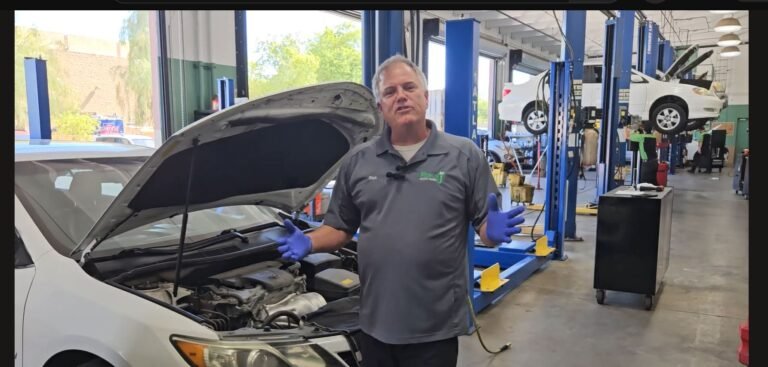

How to tell if car battery is dead
Knowing how to tell if a car battery is dead helps drivers avoid sudden breakdowns and starting problems. Common signs include slow engine cranking, clicking sounds during ignition, dim headlights, dashboard battery warnings, and frequent jump-start needs. Visual clues such as corrosion, swelling, or unusual odor near the battery can confirm failure. This guide explains clear symptoms and quick checks to identify a dead car battery before it stops working completely.
1. Slow Engine Crank
When you turn your key or push the start button, the battery must send a massive burst of electrical current to the starter motor. This motor is responsible for physically spinning the engine’s internal components to get the combustion process started.
-
-
The Struggle: If the battery’s “Cold Cranking Amps” (CCA) have dropped due to age or cold weather, there isn’t enough “push” to spin the motor at its usual speed.
-
The Sound: You’ll hear a labored, rhythmic rur-rur-rur sound instead of the crisp, fast crank of a healthy car.
-
This is often the most frustrating symptom because it sounds like the car is trying to work, but it just can’t get over the finish line.
-
The Relay: When you try to start the car, a small component called the starter solenoid (or relay) engages.
-
The “Click”: If the battery has enough power to move the relay but not enough to actually spin the heavy starter motor, the relay will quickly snap back and forth. This creates that signature machine-gun clicking sound. It’s essentially the car’s electrical system “tripping” because it’s starved for juice.
3. Dim Headlights and Dashboard Lights
Think of your battery like a fading flashlight. Your car’s lights are purely electrical, so they are the most visible “canary in the coal mine” for voltage drops.
-
Voltage Sag: Components like headlights and cabin bulbs require a steady voltage (typically around 12.6V when the engine is off). When the battery is failing, that voltage might drop to 10V or 11V.
-
The Result: Since the bulbs aren’t receiving their rated power, they glow yellow or dim instead of bright white. You might also notice the dashboard “flickering” when you try to start the car, as the starter motor tries to hog what little power is left, leaving none for the electronics.
Comparison of Battery Health Symptoms
| Symptom | Primary Cause | Severity |
| Slow Crank | Low Voltage / Chemical Aging | Moderate (Get it tested soon) |
| Clicking Sound | Critical Voltage Drop | High (You’re likely stranded) |
| Dim Lights | General Capacity Loss | Warning (Check the alternator too) |
Continuing your guide, these three headings move from “warning signs” into the territory of physical failure and systemic issues. Here is a detailed explanation of what each symptom signifies for a vehicle’s health.
4. Battery Warning Light on Dashboard
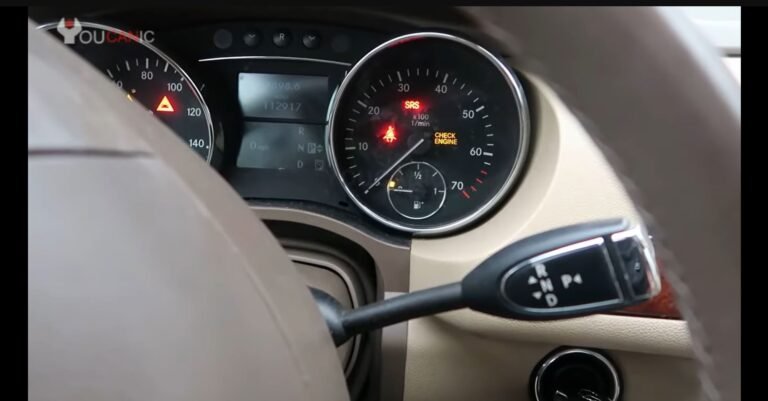
The battery icon on your dashboard often a small red or amber rectangle with plus and minus signs is one of the most misunderstood lights in a vehicle. Many drivers assume it means “the battery is dead,” but it is actually a Charging System Warning.
The Mechanism
Most modern cars use a voltage sensor connected to the Engine Control Unit (ECU). The light triggers when the system detects that the electrical demand of the car is being met by the battery alone, rather than the alternator.
-
The Alternator’s Role: While the engine is running, the alternator acts as a generator, providing power to the car and recharging the battery.
-
The Trigger: If the alternator’s belt snaps, its internal brushes wear out, or the voltage regulator fails, the battery is forced to take over the entire electrical load.
-
The Countdown: Once that light stays on, you are driving on “borrowed time.” Without the alternator replenishing the charge, the car will continue to run only until the battery is physically depleted—usually within 20 to 60 minutes.
What It Means for the User
If this light appears while driving, it is an electrical emergency. It may not be the battery itself that is broken, but the system that feeds it.
5. Car Needs Frequent Jump Starts
A healthy battery is like a sturdy bucket; it should hold “water” (electrical energy) indefinitely until you need to pour it out. If you find yourself reaching for jumper cables every morning or after the car has sat for just a few hours, the “bucket” has a hole in it.
Why It Happens
Batteries fail to hold a charge for two primary reasons:
-
Chemical Desalination (Sulfation): Over time, lead sulfate crystals build up on the battery plates. This reduces the chemical surface area available to store energy. Even if the alternator “fills” the battery, the actual capacity is so small that it drains almost instantly.
-
Parasitic Draw: Sometimes the battery is fine, but a “vampire” component (like a trunk light that won’t turn off or a faulty alarm) is sucking the energy out overnight.
The “Rule of Three”
Automotive experts generally agree that if a battery requires more than three jump starts in a single week, the internal chemistry is likely compromised beyond repair. Jump-starting a deeply discharged battery puts immense strain on the alternator, which can lead to even more expensive repairs if the battery isn’t replaced promptly.
6. Swollen or Bloated Battery Case
This is the most dangerous of the six symptoms. A car battery is a sealed (or vented) plastic box containing lead plates and a mixture of sulfuric acid and water. It should always have flat, straight sides.
The Science of the Swell
When a battery case looks like it’s “inhaling” or bulging outward, it is a sign of internal gas buildup and structural failure. This is usually caused by:
-
Overcharging: If the alternator sends too much voltage to the battery, the electrolyte solution (acid and water) begins to boil and undergo electrolysis, creating hydrogen gas faster than the battery can vent it.
-
Extreme Heat: High ambient temperatures accelerate the chemical reactions inside the battery, leading to expansion.
-
Deep Freezing: If a battery is discharged, the liquid inside becomes mostly water. Water expands when it freezes, which can physically crack or swell the plastic casing.
Safety Warning
Do not attempt to jump-start or “test” a swollen battery. The physical deformity indicates that the internal pressure is high and the structural integrity of the plastic is weakened. There is a legitimate risk of the casing rupturing and spraying sulfuric acid, or worse, an internal spark igniting the trapped hydrogen gas, causing an explosion.Summary Checklist for Troubleshooting
| Symptom | Primary Suspect | Action Required |
| Warning Light | Alternator / Charging System | Immediate professional inspection |
| Frequent Jumps | Battery Life / Parasitic Drain | Test battery capacity at an auto shop |
| Swollen Case | Overcharging / Heat Damage | Immediate replacement; do not drive |
7. Rotten Egg Smell from Battery Area
If you catch a whiff of sulfur or “rotten eggs” while walking near the front of your car, it is a sign of a chemical emergency. This is not just a nuisance; it is a warning that the battery’s internal chemistry is failing dangerously.
The Chemical Breakdown
Car batteries are filled with a mixture of water and sulfuric acid. When a battery is overcharged (due to a faulty alternator) or suffers internal structural damage, the electrolyte solution can overheat and boil.
-
Hydrogen Sulfide Gas: As the sulfuric acid breaks down, it releases hydrogen sulfide gas ($H_2S$). This gas is what carries that distinct, pungent odor.
-
The Danger: This gas is highly flammable and toxic. If you smell it, it usually means the battery is venting excessively, which can lead to acid leaks that corrode your engine bay.
8. Corrosion on Battery Terminals
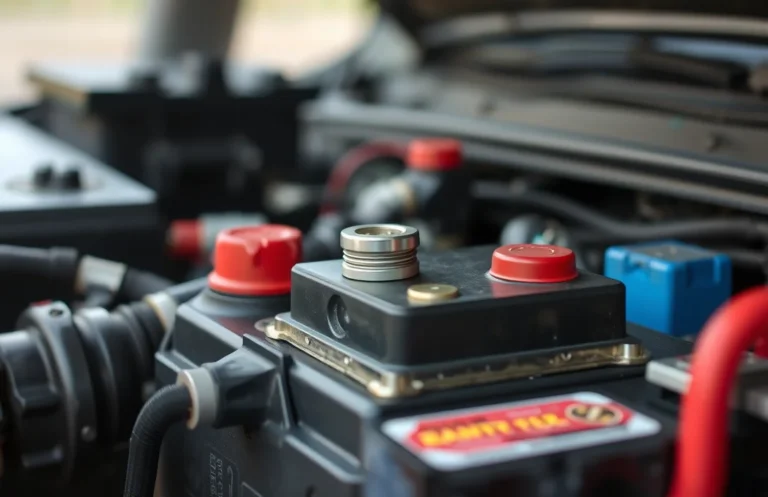
Corrosion is that crusty white, ashy, or blue-green powder that accumulates around the metal battery posts and the cable clamps.
Why It Happens
Corrosion is often the result of off-gassing. As the battery undergoes the chemical process of charging and discharging, small amounts of hydrogen gas escape from the vents. When this gas reacts with the metal of the terminals and the humidity in the air, it creates a layer of lead sulfate or copper sulfate.
-
The Problem: This crust acts as an insulator. Because electricity cannot flow easily through corrosion, the starter motor might not get enough power to turn the engine, even if the battery itself is healthy.
-
The Solution: Fortunately, this is often “superficial.” Cleaning the terminals with a mixture of baking soda and water can restore the connection, but persistent corrosion often suggests the battery is reaching the end of its life.
9. Battery Voltage Test Below 12 Volts
While your battery is labeled as a “12-volt” battery, that number is actually a bit of a rounding error. A healthy, fully charged battery should read significantly higher.
Reading the Numbers
Using a multimeter, you can check the state of charge. Here is what the numbers actually mean:
-
12.6V to 12.8V: This is a 100% healthy, fully charged battery.
-
12.2V: The battery is at about 50% charge.
-
Below 12.0V: The battery is considered “discharged” or failing.
-
10V or Lower: This usually indicates a dead cell, meaning the battery can no longer hold enough energy to start the car, regardless of how long you try to charge it.
10. Old Car Battery Over 3 Years
Sometimes, there are no visible symptoms at all—no smells, no corrosion, and no clicking. However, time is the one enemy no battery can defeat.
The 3-to-5 Year Rule
The average lead-acid car battery has a reliable lifespan of 3 to 5 years. While some may last longer in mild climates, the chemical components inside (the lead plates and the electrolyte) naturally degrade over time through a process called sulfation.
-
Climate Matters: Batteries in hot climates (like Florida or Arizona) often fail closer to the 3-year mark because heat accelerates chemical degradation. Batteries in colder climates may last 5 years but are more likely to fail suddenly during the first cold snap of winter.
-
Proactive Replacement: If your battery is over 4 years old, it is “living on borrowed time.” Testing it annually after the 3-year mark can prevent you from being stranded in a parking lot unexpectedly.
Technical Summary Table
| Symptom | Detection Method | Severity / Action |
| Rotten Egg Smell | Smell (Sulfur) | Severe: Replace immediately; check for overcharging. |
| Corrosion | Visual Inspection | Low: Clean terminals; monitor for recurrence. |
| Under 12 Volts | Multimeter Test | High: Charge or replace if it won’t hold 12.6V. |
| Age (3+ Years) | Date Sticker | Preventative: Test twice a year to avoid failure. |
FAQ
Q1: What is the most common sign of a dead car battery?
A slow engine crank or clicking sound during ignition signals low battery charge.
Q2: Can headlights indicate a dead battery?
Yes. Dim, flickering, or non-working headlights often point to battery voltage drop.
Q3: Does a battery warning light mean the battery is dead?
The warning light shows charging system trouble, which may involve the battery or alternator.
Q4: How can I test a car battery at home?
Use a voltmeter. A reading under 12 volts shows weak or failed battery condition.
Q5: What does a rotten egg smell near the hood mean?
This odor signals sulfur gas release, which occurs during battery damage or failure.
Q6: How long does a car battery last?
Most car batteries work properly for three to five years under normal driving use.
Q7: Can corrosion stop a car from starting?
Yes. Terminal corrosion blocks electrical flow and affects engine startup.
Q8: If jump starting works once, is the battery fine?
No. Repeated jump start need means the battery fails to hold charge.
Conclusion
Identifying a dead car battery early prevents unexpected starting failure and roadside trouble. Signs such as slow cranking, clicking sounds, dim lights, warning indicators, corrosion, odor, or frequent jump starts give clear signals of battery condition.
Simple checks like voltage testing and battery age review confirm the issue quickly. Acting at the first symptoms helps avoid further electrical damage and supports safer, more reliable driving.

- Find the Right Engine Oil for Your Car: A Quick Guide - March 1, 2026
- Car Battery Booster Basics: Start Your Vehicle in Minutes - March 1, 2026
- How Long Does It Take To Charge A Motorcycle Battery Charging Time Guide - February 28, 2026