Car Battery Terminals: Functions and Maintenance Tips Explained
Have you ever wondered how your car starts with just the turn of a key? The answer lies in a small but crucial component: the car battery terminal. Understanding this part can enhance your knowledge of vehicle functionality and maintenance.
A car battery terminal is a connection point for the battery cables, allowing the battery to transfer power to the vehicle’s electrical system. There are two terminals: positive and negative, which play vital roles in ensuring your car runs smoothly.
Definition of Battery Terminal
A car battery terminal is a conductive point on a car battery that serves as the connection interface for electrical circuits. Each terminal is designed to connect the battery to the vehicle’s electrical system, allowing for the flow of current necessary for starting the engine and powering electrical components.
Car battery terminals typically come in two types: positive and negative. The positive terminal is usually marked with a “+” symbol, while the negative terminal is marked with a “−” symbol. These markings help ensure correct connections, preventing electrical faults and potential damage to the vehicle’s systems. Proper maintenance of battery terminals is crucial for ensuring reliable vehicle performance, as corrosion or loose connections can lead to inefficient power delivery.
Function in Electrical System
Battery terminals play a critical role in connecting the car battery to the vehicle’s electrical system. This connection allows the battery to supply power to various components, enabling the vehicle to function properly. Understanding how these terminals work is essential for maintaining a reliable electrical system.
- Connection to Battery: The battery terminals are directly attached to the battery itself, with the positive terminal connecting to the positive battery post and the negative terminal connecting to the negative post.
- Power Distribution: Once connected, the terminals facilitate the flow of electrical current from the battery to the vehicle’s starter, lights, and other electrical components.
- Grounding: The negative terminal is crucial for grounding the vehicle’s electrical system, ensuring that excess voltage is safely directed away from sensitive components.
- Charging: During the engine operation, the alternator charges the battery through these terminals, maintaining a full charge for reliable power supply.
- Safety: Properly functioning terminals ensure that there is no risk of short circuits or electrical failures, which could lead to vehicle malfunction or damage.
Components of Battery Terminals
Understanding the components of battery terminals is essential for grasping their functionality and maintenance. Each part plays a critical role in ensuring proper electrical connections and performance within the vehicle’s electrical system.
The primary components of battery terminals include the following:
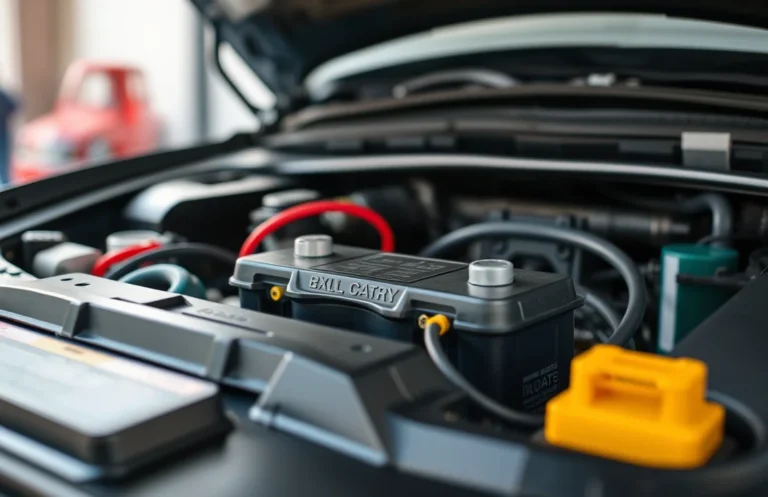
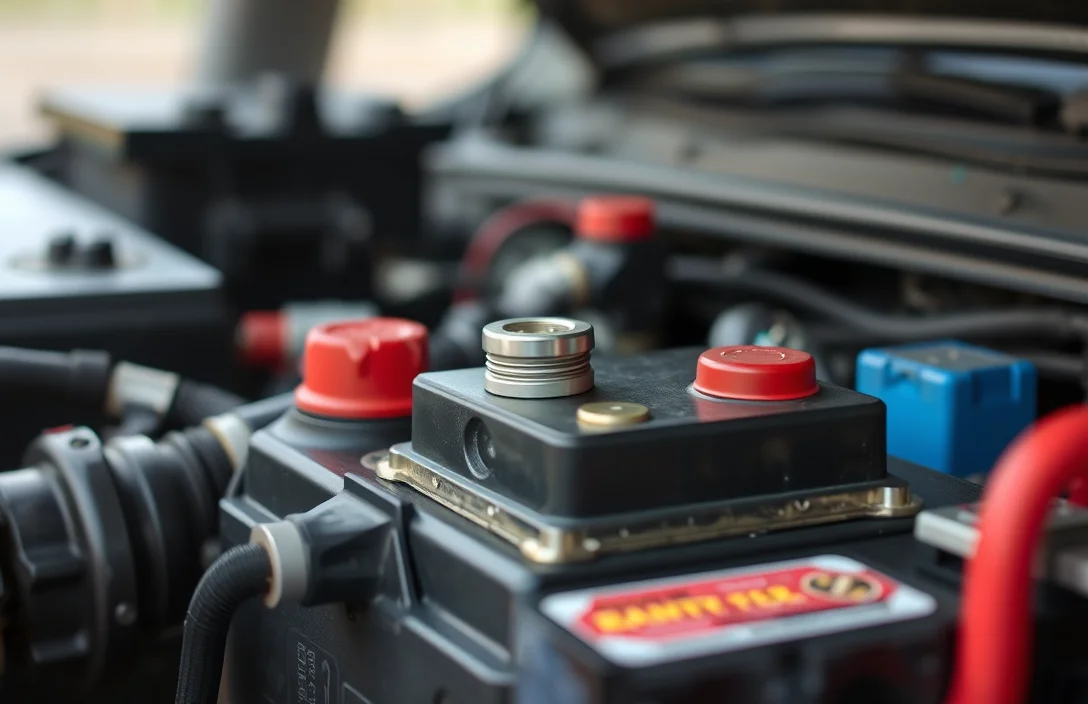
- Terminal Posts: These are the metal posts on the top or side of the battery where the cables connect. They are usually made of lead or a lead alloy for optimal conductivity.
- Battery Cable Clamps: These clamps attach to the terminal posts and are designed to create a secure connection, ensuring that power flows without interruption.
- Insulating Covers: Often made of plastic, these covers protect the terminals from corrosion and accidental contact, which can cause short circuits.
- Corrosion Protection: This can include grease or anti-corrosion sprays applied to the terminals to prevent rust and improve conductivity.
Each component must be in good condition to ensure the battery operates efficiently, as any damage or corrosion can lead to poor electrical performance or failure.
Installation Process
Properly installing a battery terminal is crucial for ensuring a reliable electrical connection within your vehicle. Follow these steps to effectively install battery terminals, keeping safety and functionality in mind.
- Gather Necessary Tools: Ensure you have all tools ready, including a wrench, wire brush, battery terminal cleaner, and safety goggles.
- Disconnect the Battery: Always start by disconnecting the negative terminal first to prevent any electrical shorts. Use your wrench to loosen the nut and remove the terminal from the battery post.
- Clean the Terminal and Post: Use a wire brush to remove any corrosion or dirt from the battery terminal and post. This step ensures a good electrical connection.
- Attach the Terminal: Place the terminal over the battery post and tighten the nut securely. Ensure that the terminal is seated properly to avoid any loose connections.
- Reconnect the Battery: Reconnect the positive terminal first, followed by the negative terminal. Tighten both connections firmly.
- Check for Secure Connections: Give each terminal a slight tug to ensure they are firmly attached. Inspect for any signs of corrosion or damage.
Maintenance Techniques
Maintaining battery terminals is crucial for optimal vehicle performance and longevity. Regular maintenance prevents corrosion, ensures better electrical connection, and prolongs the life of both the battery and the terminals. Here are practical techniques to keep battery terminals in top shape.
First, regularly inspect the terminals for signs of corrosion, which appears as a white, powdery substance. If corrosion is present, clean it using a mixture of baking soda and water. Apply this solution with a toothbrush or a small brush, and ensure you wear gloves and goggles for safety. Rinse with water and dry thoroughly.
Next, ensure that terminal connections are tight. Loose connections can lead to poor electrical flow and starting issues. Use a wrench to tighten the nuts on the terminals, but avoid over-tightening, which can damage the battery posts.
Consider applying a battery terminal protector or anti-corrosion spray after cleaning. These products help seal the terminals against moisture and dirt, reducing the likelihood of future corrosion.
Lastly, keep the battery area clean and free of debris. A clean environment prevents contaminants from affecting the battery terminals and enhances overall efficiency.
Common Problems
Battery terminals can experience several issues that impact vehicle performance and reliability. Understanding these problems helps in maintaining the integrity of the electrical system and ensuring the longevity of the battery.
One common issue is corrosion, which often appears as a white, ashy substance around the terminals. Corrosion can hinder the electrical connection, leading to starting problems and reduced battery efficiency. Regular cleaning with a mixture of baking soda and water can prevent this buildup.
Another problem is loose connections. Over time, terminals can become loose due to vibration and temperature changes. This can cause intermittent electrical contact, leading to erratic vehicle behavior, including dimming headlights or failure to start. Ensuring that terminals are tightly secured is essential for optimal performance.
Additionally, damaged terminals, such as those that are cracked or broken, can lead to significant issues, including complete battery failure. Replacing damaged terminals promptly is crucial to avoid further complications.
Lastly, terminal oxidation can occur, which is a chemical reaction that degrades the metal surface. This can lead to poor conductivity and increased resistance. Using protective coatings can help mitigate this oxidation.
Comparison of Terminal Types
This section compares common types of car battery terminals, highlighting their characteristics, advantages, and potential drawbacks. Understanding these differences will help you choose the right terminal type for your specific vehicle needs.
| Terminal Type | Advantages | Disadvantages |
|---|---|---|
| Top Post | Easy access for connection, stable connection | Can be difficult to clean, prone to corrosion |
| Side Post | Compact design, less corrosion risk | Requires specific tools for installation, less accessible |
| Clamp Style | Simple to use, widely compatible | Less secure connection, potential for loosening over time |
Each terminal type has its unique features suited for different applications. Consider your vehicle’s requirements and your maintenance preferences when selecting the appropriate terminal type for optimal performance and longevity.
Quick Summary
- A car battery terminal is a point of connection for electrical circuits in a vehicle’s battery.
- There are two main types of terminals: positive (+) and negative (-).
- Battery terminals are typically made of lead or other conductive materials to ensure efficient power transfer.
- Proper maintenance of battery terminals, including cleaning corrosion, is crucial for vehicle performance.
- Terminals are secured to the battery using clamps that must be tightened to prevent disconnection.
- Incorrect installation or loose connections can lead to electrical failures or battery drain.
- Understanding battery terminals is essential for basic vehicle maintenance and troubleshooting electrical issues.
Frequently Asked Questions
What is a car battery terminal?
A car battery terminal is a conductive connection point on a car battery where the electrical wires connect. There are typically two terminals: the positive terminal, marked with a plus sign (+), and the negative terminal, marked with a minus sign (-).
Why are there two battery terminals?
The two terminals serve different purposes in the electrical system of the car. The positive terminal connects to the battery’s positive side, providing power to start the engine and run electrical systems, while the negative terminal serves as a ground connection, completing the electrical circuit.
How do I identify the positive and negative terminals?
The positive terminal is usually marked with a red cover or a plus sign (+), while the negative terminal is marked with a black cover or a minus sign (-). It’s important to connect cables correctly to avoid electrical issues.
What happens if I connect the terminals incorrectly?
Connecting the battery terminals incorrectly can cause serious damage to the vehicle’s electrical system, potentially leading to blown fuses or damaged components. In some cases, it may also result in battery overheating or explosions.
How do I maintain car battery terminals?
To maintain car battery terminals, regularly check for corrosion and clean the terminals with a mixture of baking soda and water. Ensure connections are tight and secure, and consider applying a protective spray to prevent future corrosion.

- Find the Right Engine Oil for Your Car: A Quick Guide - March 1, 2026
- Car Battery Booster Basics: Start Your Vehicle in Minutes - March 1, 2026
- How Long Does It Take To Charge A Motorcycle Battery Charging Time Guide - February 28, 2026