Car Cooling System Diagram: Key Components & Layout Explained
Understanding how your car’s cooling system works is crucial for maintaining its performance and longevity. A well-functioning cooling system prevents overheating and ensures your engine runs efficiently. Let’s break down the essential components of this system and how they work together to keep your vehicle cool.
The car cooling system regulates engine temperature through coolant circulation, involving parts like the radiator, water pump, and thermostat. Familiarity with these components can help you identify issues early, ensuring your vehicle runs smoothly and efficiently.
undefined
The car cooling system is crucial for maintaining optimal engine temperature and preventing overheating. Understanding its components and their functions is essential for effective maintenance and troubleshooting. This section will introduce the specific parts of the cooling system as depicted in a typical car cooling system diagram.
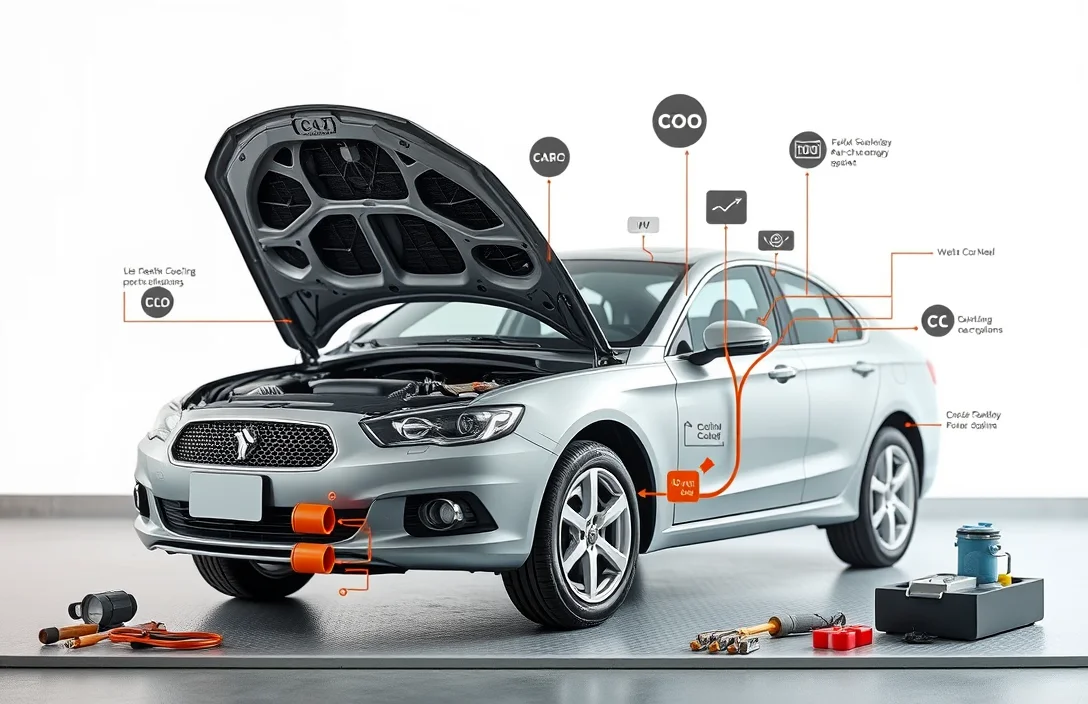
A standard car cooling system diagram includes several key components: the radiator, water pump, thermostat, coolant reservoir, and hoses. The radiator dissipates heat from the coolant, which absorbs engine heat. The water pump circulates the coolant through the engine and back to the radiator. The thermostat regulates the flow of coolant based on the engine temperature, ensuring it operates within the ideal range. The coolant reservoir holds excess coolant, allowing for expansion and contraction during heating and cooling cycles.
Understanding these components in the context of the diagram allows for better insights into how the cooling system operates and how each part interacts with the others to maintain engine efficiency.
undefined
This section focuses on the essential components of a car cooling system diagram. Understanding these parts is crucial for diagnosing issues and ensuring optimal vehicle performance. Each component plays a specific role in maintaining the engine’s temperature and preventing overheating.
The primary elements of a car cooling system include:
- Radiator: Cools the coolant before it returns to the engine.
- Water Pump: Circulates coolant throughout the engine and radiator.
- Thermostat: Regulates coolant flow based on the engine temperature.
- Coolant Reservoir: Holds excess coolant and maintains system pressure.
- Hoses: Transport coolant between the engine, radiator, and other components.
- Fan: Assists in cooling the radiator by drawing air through it.
Each of these components is depicted in a typical cooling system diagram, showcasing how they connect and interact to maintain the engine’s optimal operating temperature. Understanding the layout and function of these parts enables effective troubleshooting and maintenance.
undefined
Understanding the components of a car cooling system is essential for effective maintenance and troubleshooting. This section focuses on the key elements that comprise the cooling system, highlighting their functions and how they interconnect within the overall system.
The main components of a car cooling system include the radiator, water pump, thermostat, coolant reservoir, and hoses. Each part plays a vital role in regulating engine temperature. The radiator dissipates heat from the coolant, while the water pump circulates the coolant throughout the engine and cooling system. The thermostat controls the flow of coolant, ensuring that the engine reaches optimal operating temperature before allowing coolant to flow to the radiator.
Additionally, hoses connect these components, facilitating the movement of coolant between the engine, radiator, and reservoir. The coolant reservoir stores excess coolant and helps maintain the correct fluid level in the system, preventing overheating. Understanding how these parts work together is crucial for diagnosing cooling system issues and ensuring reliable vehicle performance.
undefined
Understanding the components and layout of a car cooling system is essential for effective maintenance and troubleshooting. This section will outline the main parts depicted in a typical car cooling system diagram, providing clarity on how they interact to prevent engine overheating.
The primary components include the radiator, water pump, thermostat, hoses, and cooling fan. The radiator dissipates heat from the coolant, which circulates through the engine. The water pump is crucial for moving the coolant through the system, ensuring it reaches all necessary areas. The thermostat regulates the coolant flow based on temperature, maintaining optimal engine heat levels.
Hoses connect these components, allowing the coolant to flow between the engine, radiator, and other parts. The cooling fan aids in airflow through the radiator, especially when the vehicle is stationary or moving at low speeds. Understanding the layout and function of these components helps in identifying potential issues and performing maintenance effectively.
undefined
This section focuses on the components of the car cooling system as illustrated in the diagram, detailing their functions and interconnections. Understanding these elements is essential for diagnosing issues or performing maintenance effectively.
The car cooling system mainly consists of the radiator, water pump, thermostat, hoses, and cooling fans. Each part plays a critical role in regulating engine temperature and preventing overheating.
- Radiator: This component dissipates heat from the coolant, allowing it to cool before re-entering the engine.
- Water Pump: Circulates coolant throughout the engine and back to the radiator, ensuring consistent temperature control.
- Thermostat: Regulates the flow of coolant based on the engine’s temperature, opening or closing to maintain optimal operating conditions.
- Hoses: Connect different parts of the cooling system, transporting coolant between the engine, radiator, and other components.
- Cooling Fans: Activate to increase airflow through the radiator, especially during idling or slow speeds when natural airflow is insufficient.
Each component is depicted in the diagram, showing how they interact to maintain engine temperature and prevent overheating. Familiarity with these parts enhances troubleshooting and maintenance capabilities.
undefined
This section focuses on understanding the car cooling system diagram in detail. A clear diagram highlights the components and their interconnections within the system, allowing for easier troubleshooting and maintenance. Familiarity with this diagram enhances your ability to identify issues and understand how the cooling system maintains engine temperature.
The car cooling system diagram typically includes the following key components:
- Radiator: Helps dissipate heat from the coolant.
- Water Pump: Circulates coolant throughout the engine and radiator.
- Thermostat: Regulates coolant flow based on engine temperature.
- Coolant Reservoir: Holds excess coolant and helps maintain system pressure.
- Hoses: Transport coolant between components.
- Engine Block: Where coolant absorbs heat from the engine.
Understanding the layout of these elements helps identify where blockages or leaks may occur. For example, a coolant leak can often be traced back to a hose or the radiator itself. Familiarity with the diagram not only aids in troubleshooting but also informs routine maintenance, ensuring optimal performance of the cooling system.
undefined
This final section summarizes the key components of a car cooling system diagram, emphasizing their interconnections and functions. Understanding these parts will help you visualize how the cooling system operates and maintain engine efficiency.
The car cooling system consists of several critical components, including the radiator, water pump, thermostat, and hoses. Each plays a vital role in regulating engine temperature. The radiator dissipates heat absorbed from the coolant, while the water pump circulates coolant throughout the engine. The thermostat controls the flow of coolant based on temperature readings, ensuring optimal engine performance.
When referring to a cooling system diagram, it typically illustrates the flow of coolant through these components, highlighting the pathways and connections. This can be beneficial for troubleshooting issues, performing maintenance, or understanding how to optimize the system. If you identify a problem, such as overheating or leaks, consult the diagram to pinpoint the affected areas.
In conclusion, familiarizing yourself with the car cooling system diagram enhances your ability to maintain vehicle health. Regular inspections and understanding the flow of coolant can prevent engine damage and prolong the life of your car.
Quick Summary
- The car cooling system regulates engine temperature to prevent overheating.
- Main components include the radiator, water pump, thermostat, and coolant.
- Coolant circulates through the engine and radiator to dissipate heat.
- The thermostat controls the flow of coolant based on engine temperature.
- Regular maintenance, including coolant checks, is essential for optimal performance.
- Signs of cooling system failure include overheating, coolant leaks, and unusual engine noises.
- A well-functioning cooling system enhances engine efficiency and longevity.
Frequently Asked Questions
What is a car cooling system diagram?
A car cooling system diagram is a visual representation that illustrates the components and flow of coolant in a vehicle’s cooling system. It typically includes elements such as the radiator, water pump, thermostat, and hoses, showing how coolant circulates to regulate engine temperature.
Why is the cooling system important for my car?
The cooling system is crucial because it prevents the engine from overheating, which can lead to severe damage or failure. By maintaining optimal operating temperatures, it ensures efficient performance and longevity of the engine.
What are the main components shown in a cooling system diagram?
Main components include the radiator, water pump, thermostat, coolant reservoir, and hoses. Each part plays a specific role in circulating coolant and dissipating heat from the engine.
How can I use a cooling system diagram to troubleshoot issues?
A cooling system diagram can help you identify potential problem areas by illustrating the flow of coolant and the location of components. By understanding how the system works, you can better diagnose issues like leaks, overheating, or coolant flow problems.
Where can I find a car cooling system diagram for my vehicle?
You can find car cooling system diagrams in your vehicle’s service manual, online automotive repair resources, or manufacturer websites. Many automotive forums and repair guides also share diagrams specific to various makes and models.

- Car Cooling System Diagram: Key Components & Layout Explained - March 20, 2026
- Resolve Mixing Engine Oil Issues: Tips for Optimal Performance - March 20, 2026
- Can You Mix Engine Oil Types? Pros, Cons, and Best Practices - March 20, 2026