
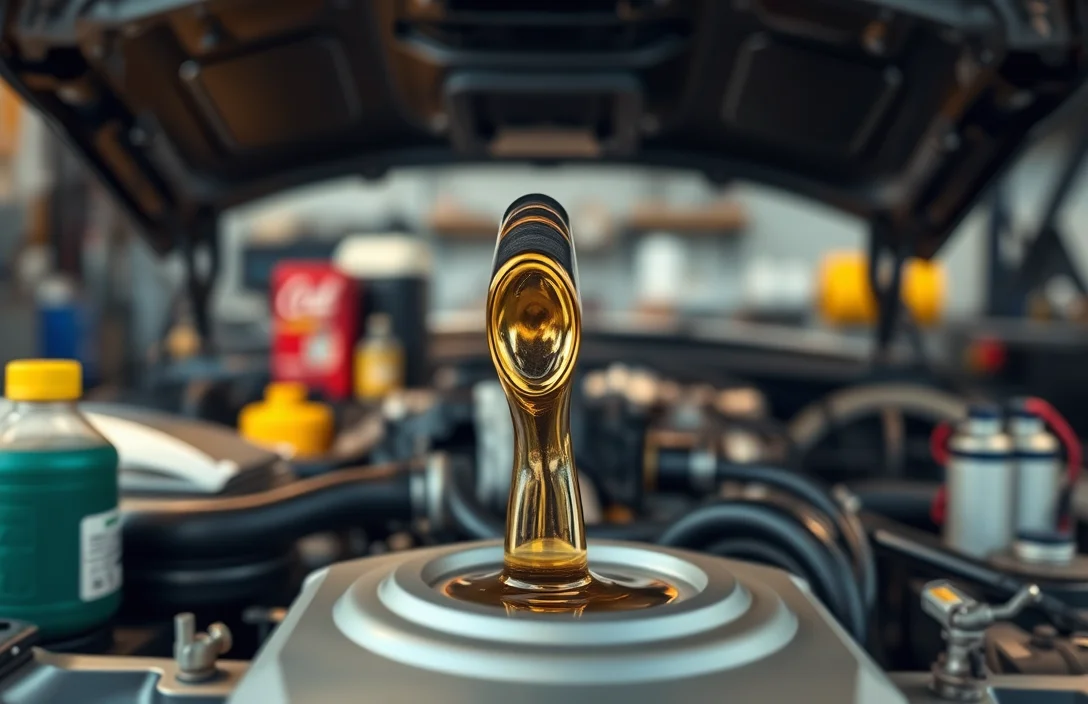
Find the Right Engine Oil for Your Car: A Quick Guide
Choosing the right engine oil for your car is crucial for its performance and longevity. With so many options available, understanding the basics can save you time and money while ensuring your vehicle runs smoothly. Let’s break down what you need to know about engine oil.
Engine oil is vital for lubrication, cooling, and cleaning your engine. Key factors include viscosity, type (synthetic vs. conventional), and API ratings. Regular oil changes are essential to maintain performance and protect your engine from wear and tear.
undefined
Choosing the right engine oil for your car is crucial for maintaining its performance and longevity. This section outlines the basic requirements and considerations to help you make an informed decision. Understanding these factors will set a solid foundation for selecting the best engine oil for your vehicle.
The primary function of engine oil is to lubricate the moving parts of the engine, reducing friction and wear. It also helps in cooling the engine, cleaning it by suspending dirt and debris, and preventing corrosion. You should consider several key factors when selecting engine oil:
- Viscosity: This refers to the thickness of the oil and its ability to flow at different temperatures. Engine oils are rated using a system (e.g., 5W-30) that indicates their viscosity at both low and high temperatures.
- Specifications: Check the owner’s manual for manufacturer specifications. Different engines require different oil types, including synthetic, conventional, or high-mileage oils.
- Oil Type: Synthetic oils offer better performance and protection but can be more expensive. Conventional oils are sufficient for many vehicles, while high-mileage oils are designed for vehicles with over 75,000 miles.
By keeping these factors in mind, you can ensure that you choose an engine oil that meets your car’s specific needs and contributes to its overall health.
undefined
This section covers the different types of engine oil available for your vehicle. Understanding these types is essential for selecting the right oil that meets your car’s specifications and performance needs. Each type offers unique properties that can affect engine performance, longevity, and efficiency.
Engine oils are typically categorized into three main types: conventional, synthetic, and synthetic blend. Each type has its advantages and is suited for different driving conditions and engine requirements.
- Conventional Oil: This is the most basic type of oil, derived from crude oil. It provides adequate protection for older engines and is cost-effective. However, it may require more frequent changes compared to other types.
- Synthetic Oil: Engineered for high performance, synthetic oil offers superior lubrication, better thermal stability, and improved engine cleanliness. It is ideal for modern engines and extreme driving conditions, such as towing or high-speed driving.
- Synthetic Blend Oil: A mixture of synthetic and conventional oils, this type provides some benefits of synthetic oil while being more affordable. It’s a good choice for those seeking enhanced protection without the full cost of synthetic oil.
Choosing the right engine oil type will depend on your vehicle’s specifications, driving habits, and climate conditions. Always refer to your owner’s manual for recommendations specific to your car.
undefined
Understanding the different types of engine oil is crucial for selecting the right option for your vehicle. Engine oils are categorized based on their viscosity, composition, and intended use. This section will clarify these categories, helping you make an informed choice for optimal engine performance.
Engine oils fall into two main categories: conventional and synthetic. Conventional oils are derived from crude oil and are suitable for standard driving conditions. They tend to be less expensive but may require more frequent changes. Synthetic oils, on the other hand, are chemically engineered to provide better performance and protection. They resist breakdown at high temperatures and offer better low-temperature fluidity, making them ideal for extreme driving conditions.
Within these categories, oils are also classified by viscosity grades. The Society of Automotive Engineers (SAE) assigns a grade, indicated by a number followed by a “W” (for winter), such as 5W-30. The first number represents the oil’s viscosity in cold temperatures, while the second number indicates its viscosity at higher temperatures. Choosing the right viscosity grade is essential for ensuring proper oil flow and engine protection.
undefined
Understanding the types of engine oil available for your car is essential for optimal performance and longevity. Different oils cater to various engine requirements, making it crucial to select the right one for your vehicle’s specifications. This section outlines the main types of engine oil and their characteristics.
Engine oil is primarily categorized into three types: conventional, synthetic, and blend. Conventional oil is derived from crude oil and is the most basic form of engine oil. It is suitable for older vehicles and those with less demanding performance requirements.
Synthetic oil is chemically engineered to offer superior performance, providing better protection against high temperatures and improved fuel efficiency. This type is ideal for high-performance engines and newer vehicles that require advanced lubrication properties.
Blend oil, or synthetic blend oil, combines both conventional and synthetic oils, offering a balance between cost and performance. This option is often recommended for those seeking enhanced protection without the higher price tag of full synthetic oil.
Check your vehicle’s owner manual for the manufacturer’s recommendations on the type of oil to use, as this will ensure that your car operates efficiently and maintains its engine health.
undefined
Choosing the right engine oil for your car involves understanding its viscosity ratings and specifications. These ratings indicate how thick or thin the oil is at different temperatures, which can directly impact engine performance and longevity. Knowing how to read these ratings is essential for selecting the best oil for your vehicle.
Engine oil viscosity is typically represented by a two-number system, such as 10W-30. The first number (10W) indicates the oil’s viscosity at low temperatures, with “W” standing for winter. The second number (30) refers to the oil’s viscosity at high temperatures. Lower numbers indicate thinner oil, which flows better in cold conditions, while higher numbers indicate thicker oil for hot conditions.
Additionally, check your vehicle’s owner manual for manufacturer recommendations, which may specify certain standards such as API (American Petroleum Institute) or ILSAC (International Lubricant Standardization and Approval Committee). These specifications ensure the oil meets specific performance criteria for your engine type.
It’s also essential to consider whether to use conventional, synthetic, or a blend of both oils. Synthetic oils generally offer better performance and protection, especially in extreme temperatures, while conventional oils can be a cost-effective option for some vehicles.
undefined
Understanding how to check your engine oil level is crucial for maintaining your vehicle. Regular checks ensure that your engine runs smoothly and efficiently, preventing potential damage. This section covers the steps to properly check your engine oil level, allowing you to keep your car in optimal condition.
To check your engine oil level, follow these steps:
- Park your vehicle on a level surface: Ensure your car is on a flat area to get an accurate reading.
- Turn off the engine: Allow the engine to cool for a few minutes to avoid burns and ensure safety.
- Locate the dipstick: Open the hood and find the dipstick, which is usually marked with a bright colored handle.
- Remove the dipstick: Pull it out carefully and wipe it clean with a lint-free cloth or paper towel.
- Reinsert the dipstick: Push it back into the tube fully and then pull it out again to check the oil level.
- Check the oil level: Observe the markings on the dipstick. The oil should be between the minimum and maximum lines.
- Add oil if necessary: If the oil level is low, add the appropriate type of engine oil as specified in your owner’s manual.
Regularly checking your engine oil not only prolongs the life of your vehicle but also enhances performance, ensuring a smooth driving experience.
undefined
Step 7 focuses on understanding the importance of changing your engine oil regularly. Regular oil changes are essential to maintain optimal engine performance and longevity. Neglecting this aspect can lead to engine wear, reduced efficiency, and costly repairs.
Engine oil degrades over time due to heat, contaminants, and the breakdown of additives. Depending on your vehicle’s make and model, recommendations for oil change intervals can vary. Common guidelines suggest changing conventional oil every 3,000 to 5,000 miles, while synthetic oils can last up to 7,500 miles or more.
To determine the right interval for your vehicle, consult your owner’s manual or the manufacturer’s recommendations. Keep track of your oil change schedule using a maintenance log or reminder system. Regular checks of oil levels and condition can also prevent potential issues before they escalate.
Consider factors like driving habits and conditions. Frequent short trips, extreme temperatures, and towing can necessitate more frequent oil changes. Keeping an eye on your oil’s color and consistency can provide additional insight into its condition, ensuring your engine remains well-lubricated and protected.
undefined
Maintaining your engine oil is crucial for the longevity and performance of your vehicle. In this final section, you’ll learn about monitoring oil levels and ensuring optimal oil condition for your car. Regular checks can prevent serious engine issues and keep your vehicle running smoothly.
Start by checking your engine oil level at least once a month or every time you fill up the gas tank. Use the dipstick to determine the level; it should be between the minimum and maximum markers. If it’s low, top it off with the appropriate oil type.
Next, monitor the oil’s condition. Fresh oil is typically amber and clear. If it appears dark and gritty, it’s time for an oil change. Additionally, pay attention to any unusual engine noises or warning lights on your dashboard, as they could indicate oil-related issues.
Consider keeping a log of your oil changes and maintenance checks, including dates and mileage. This practice helps you stay on top of your car’s needs and can be useful if you ever decide to sell your vehicle.
By following these final steps, you can ensure your engine oil remains in optimal condition, leading to better performance and longevity for your car.
Quick Summary
- Engine oil lubricates engine components, reducing friction and wear.
- Regular oil changes are essential for optimal engine performance and longevity.
- Choose the right viscosity grade based on your car’s specifications and climate.
- Synthetic oils offer better performance and protection compared to conventional oils.
- Check oil levels regularly to prevent engine damage and maintain efficiency.
- Follow the manufacturer’s recommendations for oil type and change intervals.
- Using high-quality oil can enhance fuel efficiency and reduce emissions.
Frequently Asked Questions
What type of engine oil should I use for my car?
The type of engine oil you should use depends on your car’s make, model, and engine specifications. Check your owner’s manual for the recommended viscosity and oil type, such as synthetic or conventional oil.
How often should I change my engine oil?
It’s generally recommended to change your engine oil every 5,000 to 7,500 miles, but this can vary based on your driving habits and the type of oil used. Always consult your owner’s manual for specific guidelines pertaining to your vehicle.
What does the viscosity rating of engine oil mean?
The viscosity rating, such as 5W-30, indicates the oil’s thickness and its ability to flow at different temperatures. The first number (5W) represents the oil’s performance in cold temperatures, while the second number (30) refers to its performance at high temperatures.
Can I mix different brands of engine oil?
While it’s generally not recommended to mix different brands or types of engine oil, if you must, ensure they share the same viscosity and are compatible. However, it’s best to stick to one brand and type for optimal performance.
What are the signs that I need to change my engine oil?
Signs that you may need to change your engine oil include a dark, gritty appearance, engine noise, or the oil change light on your dashboard illuminating. Regular checks of your oil level and condition can help prevent engine issues.

- Find the Right Engine Oil for Your Car: A Quick Guide - March 1, 2026
- Car Battery Booster Basics: Start Your Vehicle in Minutes - March 1, 2026
- How Long Does It Take To Charge A Motorcycle Battery Charging Time Guide - February 28, 2026