How a Car Battery Charger Works: Step-by-Step Guide
Have you ever found yourself stranded with a dead car battery? Understanding how a car battery charger works can save you from such frustrating situations. This essential tool can revive your vehicle and get you back on the road quickly and efficiently.
A car battery charger works by providing energy to recharge a depleted battery. It converts AC power from a wall outlet into DC power suitable for batteries, allowing them to regain their charge. Different chargers offer various charging rates and features.
Car Battery Charger Basics
A car battery charger is a device designed to replenish the energy stored in a car’s battery. Its primary function is to restore the battery’s charge, enabling the vehicle to start and operate efficiently. Car battery chargers come in various types and sizes, catering to different battery specifications and charging needs.
The essential mechanism of a car battery charger involves converting electrical power from an outlet into a form suitable for charging the battery. This process typically includes a transformer, rectifier, and voltage regulation to ensure the correct voltage and current are supplied. Understanding how a car battery charger works is crucial for effective vehicle maintenance and longevity.
Charging Process Overview
The charging process for a car battery involves a systematic delivery of electrical energy from the charger to the battery. Understanding this mechanism is crucial for effective battery maintenance and longevity. This section outlines the steps involved in how a charger delivers power to a battery.
- Initial Connection: The charger is connected to the battery terminals, ensuring correct polarity: positive to positive and negative to negative.
- Power Flow Initiation: Once connected, the charger activates and begins to supply electrical current to the battery.
- Voltage Regulation: The charger monitors the voltage levels of the battery, adjusting its output to prevent overcharging.
- Current Delivery: The charger delivers a controlled current that flows into the battery, facilitating the chemical reactions needed to restore its charge.
- Charging Cycle Monitoring: During charging, the charger continuously assesses the battery’s state, modifying the charging rate as necessary.
- Completion Notification: Once the battery reaches full charge, the charger typically signals this completion, often by switching to a maintenance or trickle charge mode.
Key Components Explained
This section details the essential parts of a car battery charger and their functions. Understanding these components is crucial for comprehending how a charger operates effectively.
Transformer: The transformer converts the incoming AC voltage from the wall outlet into a lower voltage suitable for charging the battery. It ensures that the voltage matches the battery’s requirements.
Rectifier: The rectifier converts alternating current (AC) into direct current (DC). This is essential because car batteries require DC for charging, making the rectifier a key player in the charging process.
Voltage Regulator: This component maintains a consistent output voltage during the charging process. It prevents overcharging by regulating the voltage supplied to the battery, which can extend the battery’s lifespan.
Control Circuit: The control circuit monitors the charging process and adjusts the current and voltage as needed. It ensures the battery is charged safely and efficiently, often incorporating features like automatic shutoff when charging is complete.
Charging Cables: These cables facilitate the connection between the charger and the battery. They are designed to handle the electrical load and prevent overheating during the charging process.
Types of Car Battery Chargers
Different types of car battery chargers serve specific needs based on battery type and charging requirements. Understanding these categories can help you choose the right charger for your vehicle, ensuring efficient and safe battery maintenance.
1. Standard Chargers: These are basic, straightforward chargers that provide a constant voltage to recharge batteries. They are suitable for standard lead-acid batteries but may take longer to fully charge compared to other types.
2. Smart Chargers: Equipped with microprocessor technology, smart chargers automatically adjust their charging rate based on the battery’s condition. They can prevent overcharging and extend battery life, making them ideal for regular use.
3. Trickle Chargers: Designed to maintain a battery’s charge over an extended period, trickle chargers provide a low current charge that keeps batteries topped off without the risk of overcharging. They’re perfect for seasonal vehicles or those that are rarely used.
4. Battery Maintainers: Similar to trickle chargers, these devices are used to maintain battery charge without the intention of fully charging a depleted battery. They are beneficial for keeping batteries at optimal levels, especially in classic cars or RVs.
5. Solar Chargers: Utilizing solar panels, these chargers harness sunlight to recharge batteries. They are a sustainable option for charging batteries in remote locations or for those who prefer eco-friendly solutions.
Connecting a Charger Safely
Correctly connecting a charger to a car battery is crucial for safety and efficiency. Follow these steps to ensure a safe and effective connection, preventing potential damage to both the battery and the charger.
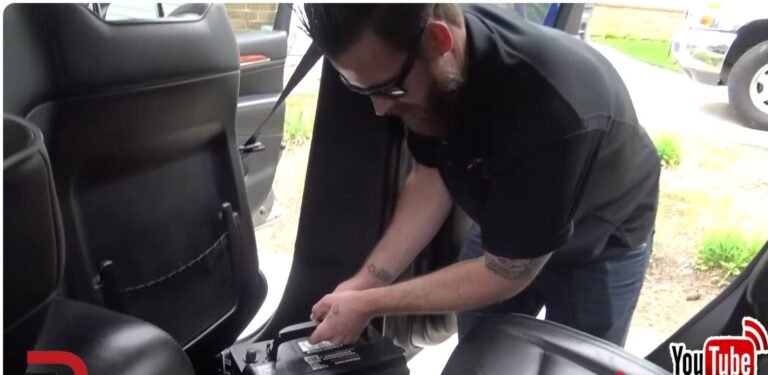
- Prepare the Area: Ensure the vehicle is turned off and parked in a well-ventilated area. Remove any metal objects from the vicinity to avoid accidental short circuits.
- Identify the Battery Terminals: Locate the positive (+) and negative (-) terminals on the battery. They are usually marked with red and black colors, respectively.
- Connect the Positive Cable: Take the red (positive) cable from the charger and attach it to the positive terminal of the battery. Ensure a secure connection.
- Connect the Negative Cable: Attach the black (negative) cable from the charger to the negative terminal of the battery. Again, ensure it is securely connected.
- Double-Check Connections: Verify that both cables are firmly attached and that there are no loose strands or corrosion present on the terminals.
- Plug in the Charger: Connect the charger to a power source. Make sure that the charger is turned off before plugging it in to avoid sparks.
Following these steps will help ensure a safe connection, reducing the risk of accidents while charging your car battery.
Real-world Charger Examples
This section provides an overview of popular car battery charger models and their functionalities, illustrating how they operate in real-world scenarios. Understanding these examples can help you choose the right charger for your needs.
Schumacher SC1281: This is a versatile charger that offers multiple charging modes for different battery types, including 6V and 12V batteries. It features automatic voltage detection and a built-in microprocessor that optimizes the charging process, ensuring batteries are charged efficiently without overcharging.
NOCO Genius G3500: Known for its smart technology, this charger can charge, maintain, and diagnose batteries. It uses advanced microcontroller technology to provide precision charging and has a built-in safety feature that prevents reverse polarity. This model is suitable for various battery types, including lead-acid and lithium-ion.
Black+Decker BM3B: This compact and user-friendly charger is ideal for small vehicles or motorcycles. It offers a simple plug-and-play operation and features an automatic shut-off to prevent overcharging. The lightweight design makes it portable, perfect for those who may need to charge batteries in different locations.
CTEK MXS 5.0: This charger is designed for optimal battery maintenance. It provides eight-step charging, which includes desulfation and reconditioning modes. It’s particularly effective for maintaining batteries during long periods of inactivity, making it a popular choice among car enthusiasts.
Comparing Charger Efficiency
Charger efficiency varies significantly among different types of battery chargers, impacting both charging speed and overall capacity management. Understanding these differences can help you choose the right charger for your needs.
Standard chargers typically operate at lower efficiency, often converting 80-85% of input power into stored energy. They are slower, taking several hours to fully charge a battery. Smart chargers, on the other hand, boast higher efficiency rates, often 90% or more, and can adjust their output based on the battery’s state, thus preventing overcharging and extending battery life.
Fast chargers, designed for rapid charging, can achieve charging speeds that are several times quicker than standard chargers. However, they may operate at lower efficiency rates if not designed properly, potentially leading to heat generation and battery wear. It’s essential to balance the need for speed with the longevity of the battery.
Ultimately, choosing the right charger involves considering both efficiency and charging time. Assess your specific needs—whether it’s speed, capacity, or battery health—and select accordingly. This ensures optimal performance and longevity of your car battery.
Quick Summary
- A car battery charger converts electrical energy from an outlet into a form that can recharge a car battery.
- It typically uses a transformer to step down the voltage and a rectifier to convert AC to DC current.
- Chargers come in different types, including trickle chargers, smart chargers, and multi-stage chargers.
- Smart chargers monitor the battery’s voltage and adjust the charging rate to prevent overcharging.
- Charging a battery involves a process of chemical reactions that restore the battery’s capacity to hold a charge.
- Safety features such as reverse polarity protection help prevent damage to the battery and charger.
- Regular maintenance and proper use of a charger can extend the lifespan of a car battery.
Frequently Asked Questions
1. What is a car battery charger?
A car battery charger is a device that replenishes the energy of a car battery by supplying it with electrical power. It converts AC (alternating current) from a wall outlet into DC (direct current) that the battery can store.
2. How does a car battery charger work?
The charger connects to the battery terminals and uses a transformer to step down the voltage. It then regulates the current flow to safely charge the battery, often incorporating a microprocessor to monitor the charge level and prevent overcharging.
3. What are the different types of car battery chargers?
There are several types of car battery chargers, including trickle chargers, smart chargers, and heavy-duty chargers. Trickle chargers provide a slow charge, while smart chargers automatically adjust the charging rate based on the battery’s needs.
4. How long does it take to charge a car battery?
The charging time can vary depending on the charger type and battery condition, typically ranging from a few hours to overnight. A standard charger might take 6 to 12 hours to fully charge a depleted battery.
5. Can I leave my car battery charger on overnight?
It is generally safe to leave a smart charger on overnight, as they are designed to prevent overcharging. However, traditional chargers should be monitored to avoid potential overcharging and battery damage.

- How Automotive Cooling Systems Work: A Simple Breakdown for Drivers - March 19, 2026
- How a Car Battery Charger Works: Step-by-Step Guide - March 19, 2026
- How Much Engine Oil Does Your Car Need? Find Out Now! - March 16, 2026