How a Car Battery Charger Works: Step-by-Step Guide for Beginners
Understanding how a car battery charger works can be incredibly useful for anyone who has ever faced a dead battery. By grasping the basics of this essential tool, you can save time, money, and stress in your daily life.
A car battery charger works by supplying electrical energy to your battery, restoring its charge. Key points include:
- Voltage conversion to match battery requirements.
- Charging modes for different battery types.
- Safety features to prevent overcharging.
Function of Car Battery Chargers
Car battery chargers play a crucial role in maintaining the health and longevity of automotive batteries. They provide the necessary electrical energy to recharge depleted batteries, ensuring vehicles start reliably and run efficiently. Understanding their function is essential for effective automotive maintenance.
These devices convert electrical energy from an outlet into a form suitable for charging a car battery. They are designed to restore the battery’s charge, which can diminish due to various factors such as frequent short trips, leaving lights on, or natural battery aging. Regular use of a charger can help prevent battery failure, prolonging the life of the battery and improving vehicle performance.
Furthermore, battery chargers come in different types, including trickle chargers, smart chargers, and portable chargers, each serving specific needs. Trickle chargers provide a slow charge ideal for maintaining batteries over extended periods, while smart chargers automatically adjust the charging rate based on the battery’s condition. Understanding the different functionalities of these chargers enables car owners to select the right option for their vehicles.
Basic Operation Principles
Understanding the fundamental principles behind car battery chargers is essential for grasping how they function effectively. Car battery chargers work by converting electrical energy into a suitable form that can replenish the energy stored in a car battery. This process involves several key steps.
- Power Source Connection: The charger connects to an AC power source, allowing it to draw electricity needed for charging.
- Voltage Regulation: The charger regulates the voltage to ensure it matches the required level for the specific type of battery being charged, typically 12 volts for standard car batteries.
- Current Control: The charger controls the amount of current supplied to the battery. This prevents overheating and damage, especially during the initial charging phase.
- Charging Stages: Many chargers operate in stages, starting with bulk charging to deliver maximum current, followed by absorption charging to fill the battery, and finally, maintenance charging to keep the battery topped off.
- Monitoring: Advanced chargers monitor the battery’s state of charge and adjust the charging process accordingly, ensuring optimal performance and longevity.
These principles ensure that car battery chargers effectively replenish energy while protecting both the battery and the charger itself.
Key Components Involved
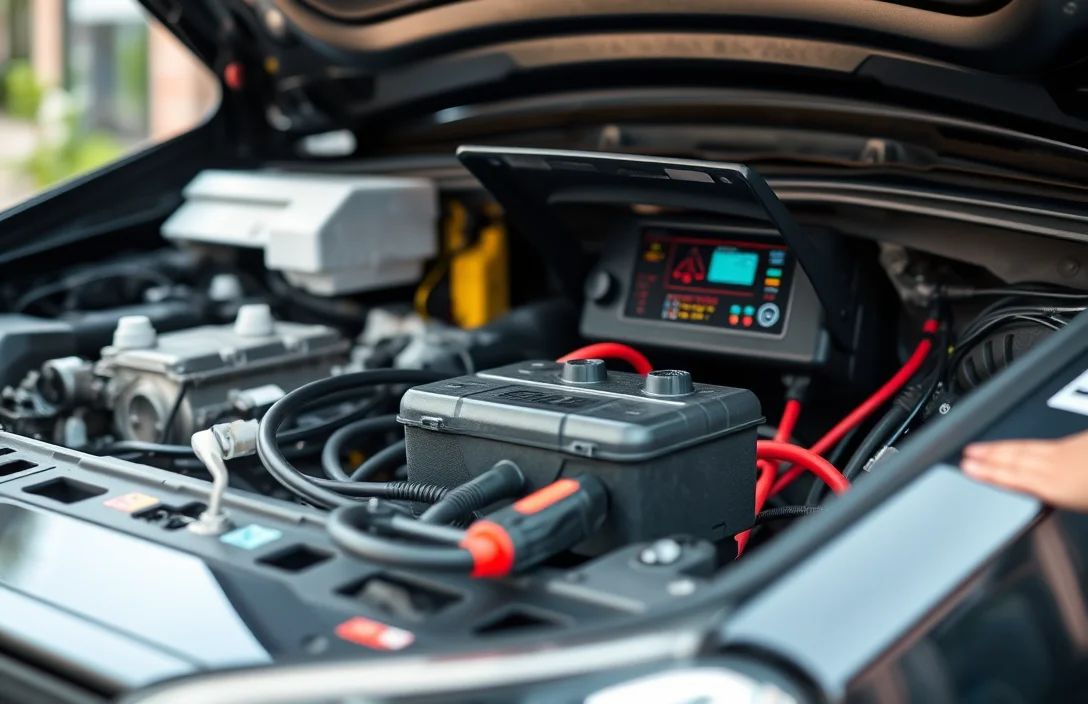
Understanding the key components of a car battery charger is essential to grasp how it functions effectively. Each part plays a specific role in ensuring that the battery receives the right amount of charge and is protected during the process.
1. Transformer: This component reduces the voltage from the power outlet to a safer level for charging the battery. It converts high voltage AC into low voltage AC, making it suitable for battery charging.
2. Rectifier: The rectifier converts AC voltage from the transformer into DC voltage, which is necessary for charging the battery, as batteries require direct current to store energy.
3. Regulator: This part controls the voltage and current being delivered to the battery. It ensures that the battery is charged at an appropriate rate, preventing overcharging, which can damage the battery.
4. Control Circuit: The control circuit monitors the charging process and provides feedback to the regulator. It may include features like timers or indicators to show charging status and prevent overcharging.
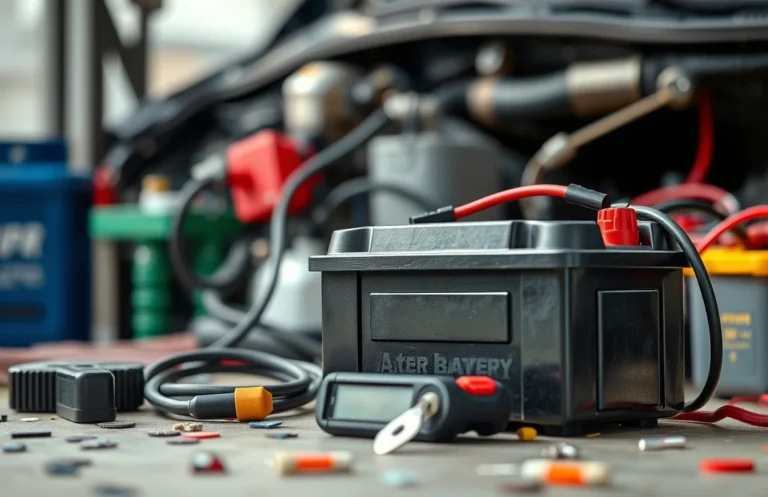
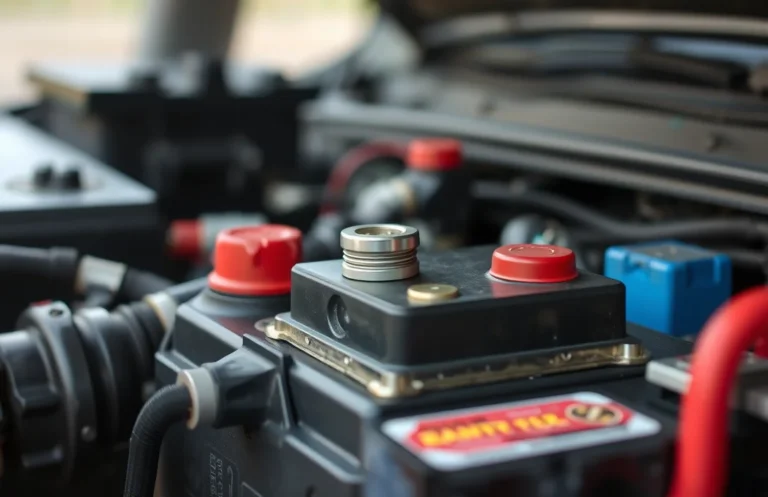
5. Connectors and Cables: These are the physical links between the charger and the battery. They must be robust to handle the current flow and insulated to prevent any short circuits.
Charging Methods Explained
Understanding the various charging methods is essential for effectively recharging a car battery. Different techniques cater to specific needs, balancing charging speed with battery health. The two primary methods are trickle charging and fast charging, each with its advantages and applications.
Trickle Charging: This method delivers a low, steady current to the battery, enabling a slow and safe recharge. It is ideal for maintaining battery health over extended periods, particularly for vehicles that are not frequently used. Trickle chargers prevent overcharging, making them suitable for long-term storage.
Fast Charging: Fast chargers supply a higher current, significantly reducing recharge time. While beneficial for quickly reviving a dead battery, this method can generate heat, which may lead to battery stress if not monitored closely. Fast charging is best for situations where time is of the essence, such as roadside emergencies.
Choosing the appropriate method depends on the specific circumstances, including the battery’s state, the desired recharge time, and the user’s preferences. Understanding these methods ensures optimal battery performance and longevity.
Safety Precautions When Charging
Using a car battery charger involves certain risks, and following safety precautions is essential to prevent accidents and ensure effective charging. These measures protect both the user and the vehicle while maintaining the integrity of the battery.
Always charge in a well-ventilated area to avoid the accumulation of potentially explosive gases emitted by the battery. Ensure that the charger is compatible with the battery type (lead-acid, AGM, lithium, etc.) to prevent damage. Before connecting the charger, inspect both the battery and the charger for any signs of damage or corrosion.
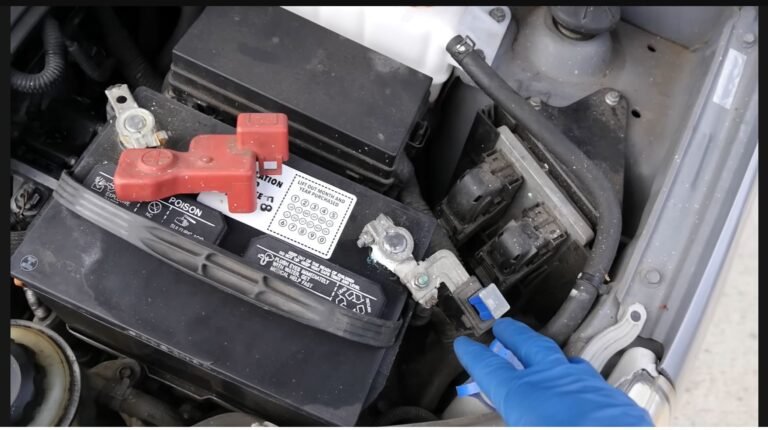
Disconnect the charger from the power source before making any connections to the battery. Always connect the positive (+) lead first, followed by the negative (-) lead. When disconnecting, reverse the order: remove the negative lead first, then the positive. This helps prevent short circuits.
Wear protective gear such as gloves and safety glasses to shield against acid splashes and sparks. Never smoke or introduce any flame near the battery during the charging process. Additionally, monitor the charging process regularly and follow the manufacturer’s instructions to avoid overcharging, which can lead to battery damage or even explosions.
Common Charger Types Compared
Understanding the different types of car battery chargers is crucial for effective charging. Each type operates under unique principles and is suitable for various situations. Here’s a comparison of automatic and manual chargers, which are the most common options available.
| Charger Type | Operation | Advantages | Disadvantages |
|---|---|---|---|
| Automatic Charger | Charges batteries without user intervention. Detects when the battery is fully charged and switches to a maintenance mode. |
|
|
| Manual Charger | Requires user to monitor the charging process and disconnect when the battery is charged. |
|
|
Choosing the right charger depends on your needs, budget, and how often you plan to charge batteries. Automatic chargers are ideal for those who prioritize convenience, while manual chargers may suit users who want more control over the charging process.
Real-World Charging Scenarios
Understanding how a car battery charger works can be enhanced by examining practical situations where they are commonly used. Here are some typical scenarios that illustrate the application of car battery chargers.
One common situation is during the winter months when cold temperatures can lead to battery drain. Car owners often connect a charger overnight to ensure their battery has enough charge to start the engine in the morning. This is especially important for vehicles that are not driven regularly.
Another scenario involves jump-starting a car. If a vehicle has a dead battery, a charger can be used to restore charge before attempting to start the engine. This method is safer than relying solely on jumper cables, as the charger can provide a steady flow of power to the battery.
For performance enthusiasts, maintaining battery health is crucial. They may use a battery maintainer or trickle charger during long periods of inactivity, such as during winter storage. This keeps the battery at an optimal state of charge, preventing sulfation and extending its lifespan.
Lastly, in fleet operations, where multiple vehicles are used, chargers are essential for keeping all batteries functional and ready for use. Fleet managers often schedule charging during off-hours to ensure vehicles are fully operational for the next day.
Quick Summary
- A car battery charger supplies electrical energy to recharge a depleted battery.
- Chargers convert AC (alternating current) from a wall outlet to DC (direct current) suitable for batteries.
- Most chargers have different charge settings to accommodate various battery types and conditions.
- Charging occurs in stages: bulk, absorption, and float, optimizing battery health and lifespan.
- Smart chargers can automatically adjust the charging rate based on battery status.
- Safety features like reverse polarity protection and overcharge prevention are common in modern chargers.
- Regular maintenance and monitoring of battery voltage can extend battery life and performance.
Frequently Asked Questions
1. How does a car battery charger work?
A car battery charger works by supplying electrical energy to a depleted battery, allowing it to recharge. It converts alternating current (AC) from a wall outlet into direct current (DC) that the battery can store.
2. What types of car battery chargers are there?
There are mainly two types of car battery chargers: manual and automatic. Manual chargers require the user to monitor the charging process, while automatic chargers can detect when the battery is fully charged and stop charging to prevent overcharging.
3. How long does it take to charge a car battery?
The charging time for a car battery can vary based on its capacity and the charger’s power output. Generally, it can take anywhere from a few hours to overnight to fully charge a standard car battery.
4. Can I leave a car battery charger on overnight?
Yes, many modern automatic chargers are designed to be left on overnight without the risk of overcharging. However, it’s always best to check the manufacturer’s instructions for specific guidelines regarding charging duration.
5. What safety precautions should I take when using a car battery charger?
When using a car battery charger, ensure you are in a well-ventilated area to avoid gas buildup, wear protective gear like gloves and goggles, and always follow the manufacturer’s instructions. Additionally, avoid connecting the charger to a battery that is visibly damaged or leaking.

- How a Car Battery Charger Works: Step-by-Step Guide for Beginners - March 13, 2026
- Find the Right Engine Oil for Your Car: A Quick Guide - March 11, 2026
- How Long Does An E-bike Battery Last? Insights And Tips - March 10, 2026