How a Car Battery Tender Works: Keep Your Battery Charged
Many car owners face the frustration of a dead battery, especially after long periods of inactivity. Understanding how to prevent this common issue can save you time and money. One effective solution is using a car battery tender, which can keep your battery in optimal condition.
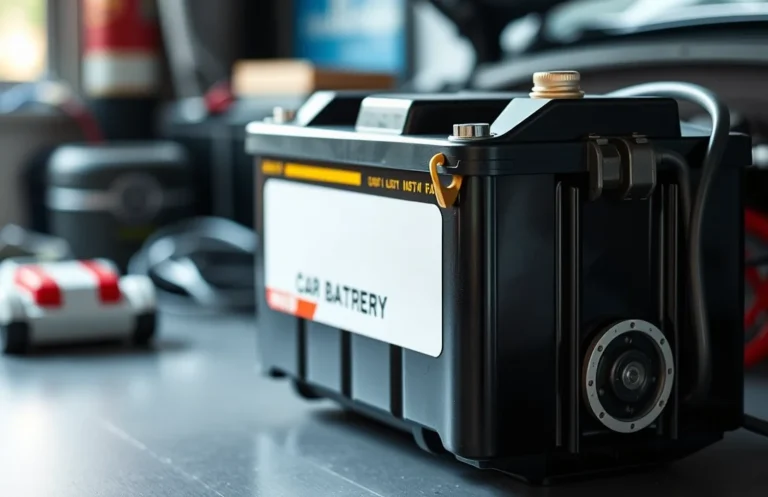
A car battery tender is a device that maintains battery charge without overcharging. It is particularly useful for vehicles not used regularly, ensuring your battery remains healthy and ready for use. This tool can extend battery life and provide peace of mind for car owners.
Definition of Car Battery Tender
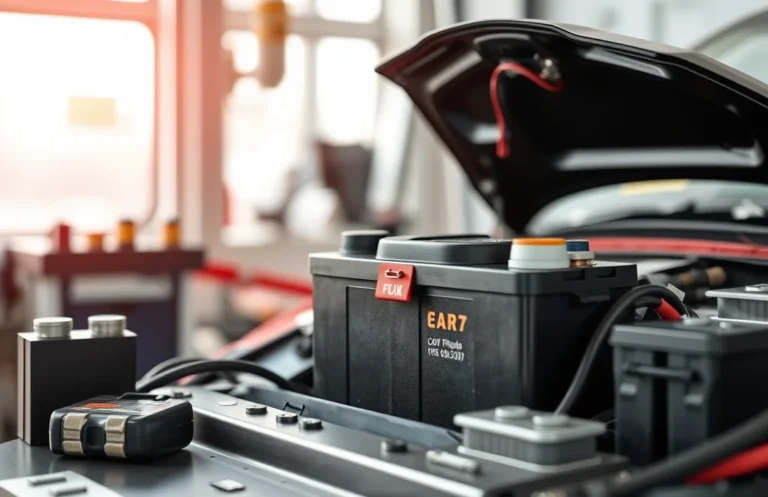
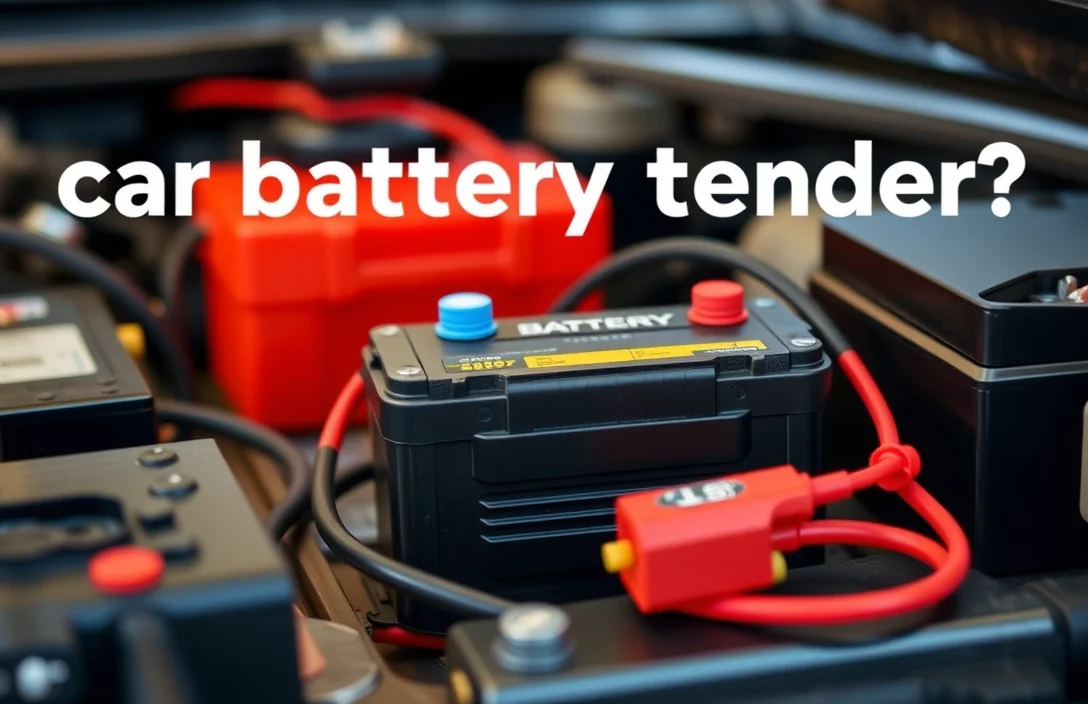
A car battery tender, also known as a battery maintainer or trickle charger, is a device designed to maintain the charge of a car battery over an extended period. Unlike a standard charger, which can deliver a high voltage to rapidly charge a battery, a battery tender provides a low, steady charge that keeps the battery at optimal levels without overcharging.
The primary purpose of a car battery tender is to prevent battery depletion, particularly in vehicles that are not used frequently. This is crucial for lead-acid batteries, which can lose their charge if left unattended for too long. A battery tender ensures that the vehicle is always ready for use, prolonging the lifespan of the battery and reducing the need for replacements.
Many battery tenders come with automatic features that monitor the battery’s status and adjust the charging rate accordingly. This smart technology helps to protect against issues such as overheating or overcharging, making it a practical solution for vehicle owners looking to maintain their battery health effectively.
Mechanism of Operation
A car battery tender functions by providing a controlled charging process to maintain the battery at an optimal charge level. This device is particularly useful for vehicles that are not used frequently, ensuring that the battery does not become over-discharged or damaged due to lack of use.
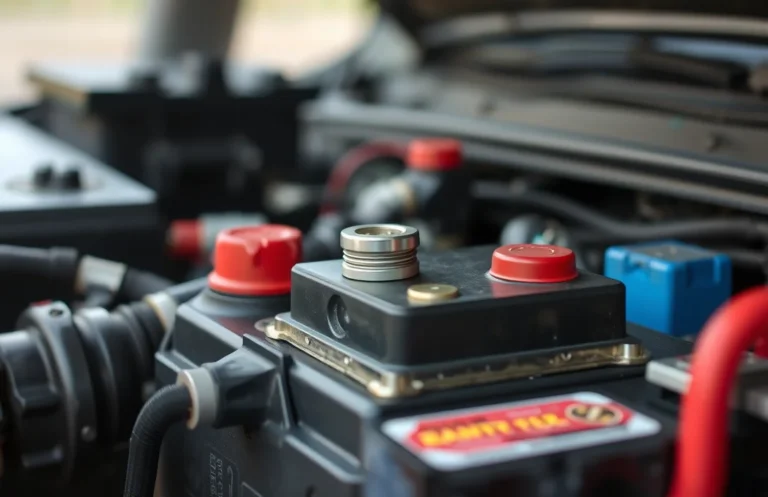
- Connection: The battery tender is connected to the battery terminals, ensuring a secure connection. Typically, red is for positive and black is for negative.
- Initial Charging: Once connected, the tender begins with an initial charging phase, where it delivers a higher voltage to quickly charge the battery to around 80% capacity.
- Float Charge: After reaching the initial charge, the tender switches to a float charge mode. This maintains the battery at full charge without overcharging, using a lower voltage.
- Monitoring: The device constantly monitors the battery voltage and adjusts the charging rate as necessary. If the battery voltage drops, the tender resumes charging until the battery is fully charged again.
- Safety Features: Many battery tenders include safety features such as reverse polarity protection and automatic shut-off to prevent damage to the battery and ensure user safety.
This systematic approach allows the car battery tender to extend the life of the battery while ensuring it is ready for use when needed.
Key Components Explained
A car battery tender consists of several essential components that work together to maintain battery health. Understanding these parts can help users appreciate how the device functions and why it’s beneficial for vehicle upkeep.
Power Supply: The power supply is the heart of the battery tender. It converts the AC voltage from a wall outlet into a lower DC voltage suitable for charging batteries. This ensures that the battery receives the correct amount of power without being overcharged.
Charging Circuit: This circuit regulates the flow of electricity to the battery. It typically includes components like diodes and transistors that manage charging levels and protect against reverse polarity, which can damage the battery.
Microcontroller: Many modern battery tenders feature a microcontroller that monitors battery voltage and adjusts the charging rate accordingly. This smart technology allows for a more efficient charging process and helps prevent overcharging.
Indicators: Battery tenders often come with LED indicators that provide real-time information about the charging status. These lights can indicate whether the battery is charging, fully charged, or if there is an issue.
Cables and Connectors: High-quality cables and connectors ensure a secure connection to the battery terminals. These components are designed to handle the electrical load and are often insulated to prevent short circuits.
Using a Battery Tender
Connecting and using a battery tender is straightforward, and following the correct steps ensures your battery stays charged and healthy. Below are the practical methods for setting up and operating a battery tender effectively.
Start by selecting a suitable location for the battery tender, ensuring it is near a power outlet and away from flammable materials. Then, follow these steps:
- Prepare the Battery: Ensure the battery terminals are clean and free of corrosion. If necessary, clean them with a wire brush and a mixture of baking soda and water.
- Connect the Tender: Attach the red clamp to the positive terminal (+) and the black clamp to the negative terminal (-). Make sure the connections are secure.
- Plug in the Tender: Connect the battery tender to an electrical outlet. Most tenders have indicators that show the charging status.
- Monitor Charging: Keep an eye on the indicator lights. A green light typically means the battery is fully charged, while a red light indicates charging is in progress.
- Unplug and Disconnect: Once fully charged, unplug the battery tender from the outlet. Remove the clamps in the reverse order you connected them, starting with the black (negative) clamp, followed by the red (positive) clamp.
Following these steps will help maintain your car battery’s health, making it ready whenever you need it.
Maintenance Techniques
Maintaining both the car battery and the battery tender is essential to ensure optimal performance and longevity. Proper care prevents issues such as sulfation, which can diminish battery capacity, and ensures that the battery tender operates effectively.
Regularly check the connections of the battery tender to the battery terminals. Ensure they are clean and free from corrosion. If you notice any buildup, use a mixture of baking soda and water to clean the terminals, and dry them thoroughly before reconnecting.
Inspect the battery tender itself for any signs of wear or damage. Look for frayed cables or cracks in the casing. If you find any issues, replace the tender to avoid potential hazards. Keep the tender in a dry area and away from extreme temperatures, which can affect its performance.
Additionally, monitor the battery’s state of charge. Most modern battery tenders have indicators that show when the battery is fully charged. Unplug the tender once charging is complete to prevent overcharging, which can shorten battery life. Lastly, perform a load test on the battery every few months to assess its health and ensure it can hold a charge effectively.
Real-Life Application Examples
Battery tenders provide practical solutions in various scenarios where maintaining battery health is essential. Here are some common situations where using a battery tender can be beneficial.
For classic car enthusiasts, a battery tender is invaluable. These vehicles are often not driven regularly, leading to battery drain. Using a battery tender ensures the battery remains charged and ready for the next drive, preventing the frustration of a dead battery.
Seasonal vehicle owners, such as those with RVs or motorcycles, can also benefit. During off-seasons, these vehicles might sit idle for weeks or months. A battery tender keeps the battery charged, ensuring reliable starts when it’s time to hit the road again.
In a professional setting, companies that rely on equipment like forklifts or generators can use battery tenders to maintain their batteries during extended periods of inactivity. This practice reduces downtime and maintenance costs by ensuring that equipment is always operational.
Lastly, those who own electric vehicles can use battery tenders to maintain their 12V auxiliary battery while the main battery is charged. This ensures all electronic systems are functional and ready for use, enhancing overall vehicle reliability.
Comparative Analysis of Brands
This section provides a practical comparison of popular car battery tender brands available in the market. Understanding the differences between these brands can help you choose the best option for your specific needs.
| Brand | Type | Amperage | Features | Price Range |
|---|---|---|---|---|
| NOCO | Smart | 1A – 10A | Smart technology, waterproof, LED indicators | $40 – $100 |
| Battery Tender | Standard | 0.75A – 1.25A | Automatic charging, lightweight, compact design | $30 – $70 |
| Schumacher | Smart | 1A – 4A | Multi-stage charging, reverse polarity protection | $25 – $60 |
| CTEK | Smart | 0.8A – 10A | Temperature compensation, spark-proof | $50 – $120 |
NOCO tends to be favored for its innovative features, while Battery Tender is popular for its simplicity and reliability. Schumacher offers good value with essential safety features, and CTEK is known for premium options suited for different weather conditions. Evaluate your specific requirements to make an informed decision.
Quick Summary
- A car battery tender is a device designed to maintain and charge car batteries, especially during periods of inactivity.
- It delivers a low and steady charge, preventing battery overcharging and extending battery life.
- Battery tenders are ideal for seasonal vehicles, motorcycles, and classic cars that are not used regularly.
- They often feature automatic shut-off and monitoring capabilities to ensure safe operation.
- Using a battery tender can save money on frequent battery replacements and roadside assistance.
- Different models are available, including those with specific features for various battery types, such as lead-acid or lithium-ion.
- Proper usage of a battery tender can improve vehicle reliability and performance by ensuring the battery is always charged and ready to go.
Frequently Asked Questions
What is a car battery tender?
A car battery tender is a device designed to maintain the charge of a car battery when the vehicle is not in use for extended periods. It provides a low-level charge to keep the battery at an optimal level without overcharging it.
How does a car battery tender work?
A car battery tender works by connecting to the battery and supplying a constant, controlled charge. It typically uses a trickle charging method, which means it delivers a small amount of voltage to keep the battery healthy and fully charged.
What are the benefits of using a car battery tender?
Using a car battery tender can extend the lifespan of your battery, prevent sulfation, and reduce the risk of battery failure. It is especially useful for vehicles that are used infrequently, such as classic cars or seasonal vehicles.
Can I leave a car battery tender plugged in all the time?
Yes, most modern car battery tenders are designed to be safe for long-term use and can be left plugged in without risk of overcharging. They automatically switch to a maintenance mode once the battery is fully charged.
Are there different types of car battery tenders?
Yes, there are various types of car battery tenders, including smart chargers, trickle chargers, and solar battery maintainers. Each type has its features, so it’s important to choose one that fits your specific needs and battery type.

- How a Car Battery Tender Works: Keep Your Battery Charged - March 4, 2026
- Find the Right Engine Oil for Your Car: A Quick Guide - March 1, 2026
- Car Battery Booster Basics: Start Your Vehicle in Minutes - March 1, 2026