How a Car Battery Works: Key Mechanics Explained in 5 Steps
Understanding how a car battery works can seem complex, but it’s essential for anyone who drives. Whether you’re facing starting issues or simply curious about your vehicle’s electrical system, knowing the basics can empower you to troubleshoot and maintain your car effectively.
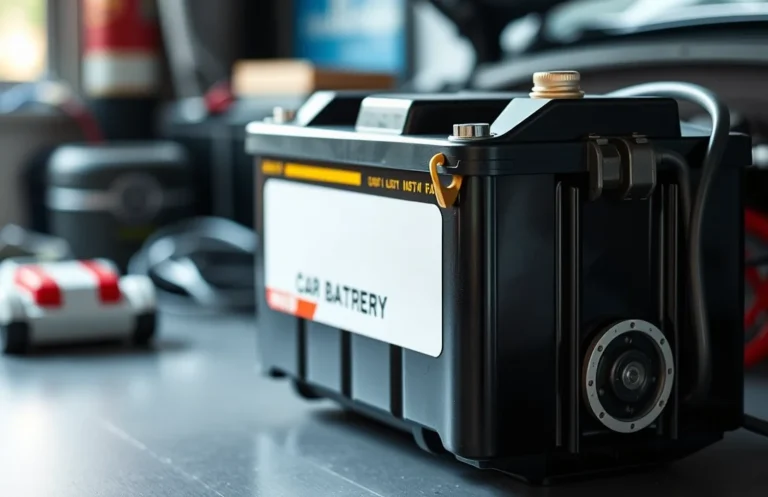
A car battery stores and supplies electrical energy to start the engine. It operates through chemical reactions, converting chemical energy into electrical energy. Key components include lead plates, electrolyte solution, and the battery terminals that connect to the vehicle’s electrical system.
undefined
This section provides an overview of how a car battery functions, focusing on its key components and the chemical processes involved. Understanding these fundamentals is essential for grasping the more complex aspects of car battery operation and maintenance.
A car battery primarily serves as a storage device for electrical energy. It converts chemical energy into electrical energy through a series of electrochemical reactions. The most common type of battery used in vehicles is the lead-acid battery, which consists of lead dioxide (PbO2) and sponge lead (Pb) as the active materials, submerged in a sulfuric acid solution.
When the battery discharges, a chemical reaction occurs between the lead dioxide, sponge lead, and sulfuric acid, producing lead sulfate (PbSO4) and water (H2O). This reaction releases electrons, creating an electric current that powers the vehicle’s electrical systems and starts the engine. Conversely, when the battery is charged, the reverse reaction takes place, restoring the active materials and preparing the battery for future use.
Understanding these basic operations of the car battery is crucial for diagnosing potential issues and ensuring optimal performance.
undefined
Understanding the components of a car battery is crucial to grasping how it functions. Car batteries consist of several key parts that work together to store and supply electrical energy. This section will cover the main components, including lead plates, electrolyte, and separators, and their roles in the battery’s operation.
The primary components of a lead-acid car battery include:
- Lead Plates: These plates are made of lead dioxide (positive plate) and sponge lead (negative plate). They are responsible for the chemical reactions that generate electricity.
- Electrolyte: A mixture of sulfuric acid and water, the electrolyte facilitates the flow of ions between the plates, allowing the chemical reactions to occur.
- Separators: These are insulating materials placed between the lead plates to prevent short-circuits while allowing the flow of ions. They maintain the integrity of the battery’s structure.
When the battery discharges, a chemical reaction occurs between the lead plates and the electrolyte, producing electrical energy. Conversely, during charging, electrical energy is converted back into chemical energy, replenishing the battery’s charge. This cycle of discharge and charge is essential for the battery’s performance and longevity.
undefined
This section explains how the chemical reactions within a car battery generate electrical energy. Understanding these processes is crucial for grasping how batteries power vehicles. Car batteries primarily consist of lead-acid cells, which involve a series of chemical reactions to store and release energy.
Inside a typical lead-acid battery, there are two types of plates: positive plates made of lead dioxide (PbO2) and negative plates composed of sponge lead (Pb). These plates are submerged in a sulfuric acid (H2SO4) electrolyte solution. When the battery discharges, a chemical reaction occurs between the lead plates and the sulfuric acid, producing lead sulfate (PbSO4) and water (H2O). This reaction releases electrons, creating an electric current that powers the vehicle’s electrical systems.
Upon recharging, the process reverses. An external power source applies voltage, converting the lead sulfate back into lead dioxide and sponge lead, while regenerating the sulfuric acid electrolyte. This cyclical process allows car batteries to repeatedly store and release energy, making them essential components of vehicle operation.
undefined
This section discusses the chemical processes that occur within a car battery during its operation. Understanding these reactions is essential to grasp how the battery generates electricity and maintains power for vehicle functions.
Car batteries primarily use lead-acid chemistry, which involves two electrodes: lead dioxide (PbO2) as the positive plate and sponge lead (Pb) as the negative plate. When the battery discharges, sulfuric acid (H2SO4) interacts with these plates, initiating a chemical reaction. This reaction produces lead sulfate (PbSO4) on both plates and releases electrons, which flow through the external circuit, powering the vehicle’s electrical components.
When the battery is charged, the process reverses. An external power source, like the alternator, applies voltage across the battery terminals. This causes lead sulfate to break down back into lead dioxide, sponge lead, and sulfuric acid, restoring the battery’s charge. This cyclical process is crucial for maintaining the battery’s functionality and overall lifespan.
undefined
This section discusses the mechanisms behind the charging and discharging processes of a car battery. Understanding these processes is essential for grasping how a car battery maintains its power and supports various electrical systems within the vehicle.
A car battery primarily operates through a chemical reaction between lead dioxide (PbO2), sponge lead (Pb), and sulfuric acid (H2SO4). During discharge, the battery converts chemical energy into electrical energy, powering the starter motor and electrical systems. This process generates lead sulfate (PbSO4) and water (H2O) as byproducts.
During charging, the reverse reaction occurs. An external power source, typically the alternator, applies a voltage to the battery, prompting the lead sulfate and water to convert back into lead dioxide, sponge lead, and sulfuric acid. This replenishes the battery’s charge and restores its ability to generate electrical energy.
Both processes are crucial for the battery’s performance. Maintaining the chemical balance between the reactants and products determines the battery’s efficiency and lifespan. Regular maintenance, such as checking fluid levels and ensuring clean terminals, can help prolong the battery’s life and effectiveness.
undefined
This section explores the charging process of a car battery, which is essential for maintaining its effectiveness and longevity. Understanding how a car battery recharges provides insight into its operation and the overall functionality of a vehicle’s electrical system.
A car battery charges through a process known as electrochemical reactions, which occur within the battery’s cells. When the engine runs, the alternator generates electricity, which is used to recharge the battery. This electricity flows into the battery, reversing the chemical reactions that occur during discharge. Specifically, lead sulfate is converted back into lead dioxide and sponge lead, while sulfuric acid is restored to its original concentration.
Monitoring the battery’s state of charge is vital for optimal performance. A fully charged battery typically registers around 12.6 volts or higher. If the voltage drops significantly, the battery may not hold a charge effectively, leading to potential starting issues. Additionally, regular maintenance, such as checking the fluid levels and cleaning terminals, can prolong battery life and ensure efficient charging.
undefined
This section focuses on the maintenance and care required for a car battery to ensure optimal performance and longevity. Proper upkeep can prevent premature failure and enhance battery efficiency.
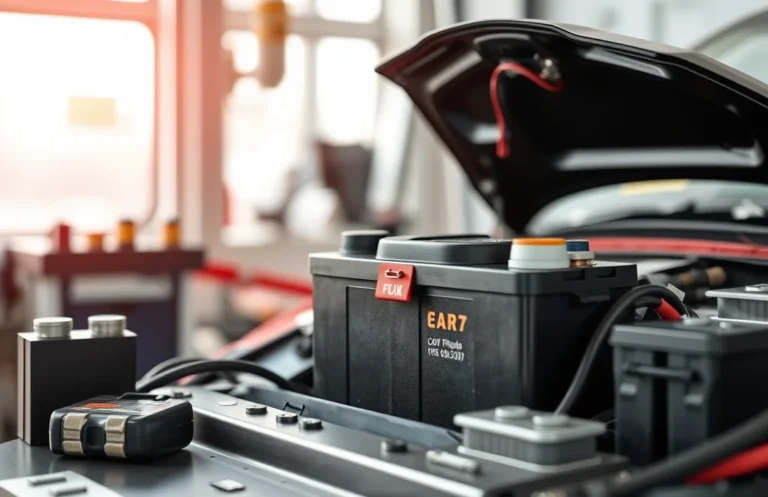
Regular maintenance includes checking the battery’s electrolyte levels, ensuring terminals are clean and tight, and inspecting for any signs of corrosion. Corroded terminals can impede electrical connections, leading to insufficient power delivery. Use a wire brush to clean terminals and a mixture of baking soda and water to neutralize corrosion.
Temperature extremes can affect battery performance; extreme cold can reduce capacity, while heat can accelerate the evaporation of the electrolyte. If your vehicle is parked for extended periods, consider using a battery maintainer to keep it charged. Testing the battery’s voltage regularly can also help identify potential issues before they lead to failure.
Additionally, avoid leaving lights or electronic devices on when the engine is off, as this can drain the battery. If the battery is more than three years old, have it tested annually to assess its health. Following these maintenance tips will help ensure a reliable power source for your vehicle.
undefined
Understanding the charging and discharging process of a car battery is crucial for maintaining its health and ensuring reliable vehicle performance. This section outlines how these processes work, focusing on the chemical reactions occurring within the battery and their implications for everyday use.
During discharging, when the battery supplies power to the vehicle, a chemical reaction occurs between the lead dioxide (PbO2) on the positive plate and the sponge lead (Pb) on the negative plate, generating lead sulfate (PbSO4) and releasing electrical energy. This process continues until the battery voltage drops to a level that can no longer power the car.
Recharging the battery involves reversing this chemical reaction. An external power source, typically the alternator, applies current back into the battery. This current converts the lead sulfate and water back into lead dioxide and sponge lead, restoring the battery’s charge and enabling it to provide power again. Proper maintenance, including ensuring that the battery terminals are clean and connections are secure, can enhance the efficiency of this charging process and extend battery life.
undefined
This final section summarizes the functionality and importance of car batteries, emphasizing their role in vehicle operation. Understanding how these batteries work can enhance maintenance and troubleshooting efforts, ensuring reliability and longevity.
Car batteries operate based on electrochemical reactions, providing the necessary electrical energy to start the engine and power various electrical systems. During the discharge process, the battery converts stored chemical energy into electrical energy, allowing the starter motor to turn the engine. Once the engine runs, the alternator takes over, recharging the battery while supplying power to the vehicle’s electrical components.
Regular maintenance, such as checking for corrosion, ensuring secure connections, and monitoring the battery’s charge level, can prolong battery life. Additionally, knowing the signs of a failing battery, such as slow engine cranking or dimming lights, is crucial for timely replacement. Understanding these aspects not only aids in effective vehicle management but also enhances safety and reliability on the road.
Quick Summary
- A car battery stores electrical energy in the form of chemical energy.
- It consists of lead plates and sulfuric acid, which create a chemical reaction to produce electricity.
- The battery provides power to start the engine and supports electrical components when the engine is off.
- When the engine runs, the alternator recharges the battery, converting mechanical energy back into chemical energy.
- Car batteries typically have a lifespan of 3 to 5 years, depending on usage and maintenance.
- Regular maintenance, including checking fluid levels and terminals, can extend battery life.
- Signs of a failing battery include slow engine crank, dim lights, and electrical issues.
Frequently Asked Questions
How does a car battery generate electricity?
A car battery generates electricity through a chemical reaction between lead plates and sulfuric acid electrolyte. This reaction produces electrons, which flow through the battery terminals to power the car’s electrical systems and start the engine.
What is the lifespan of a typical car battery?
The average lifespan of a car battery is about 3 to 5 years, depending on usage, climate, and maintenance. Factors like extreme temperatures and frequent short trips can shorten its lifespan.
How can I tell if my car battery is failing?
Signs of a failing car battery include dimming headlights, slow engine cranking, and the battery warning light illuminating on the dashboard. If you experience these symptoms, it’s advisable to have the battery tested.
What should I do if my car battery dies?
If your car battery dies, you can jump-start it using jumper cables and another vehicle. If that doesn’t work, it may need to be charged or replaced, so consider calling for roadside assistance or a professional mechanic.
Can I replace my car battery myself?
Yes, replacing a car battery can be done by yourself with basic tools and safety precautions. Make sure to wear gloves and goggles, and follow the manufacturer’s instructions for your vehicle to ensure proper installation.

- How a Car Battery Charger Works: Step-by-Step Guide for Beginners - March 13, 2026
- Find the Right Engine Oil for Your Car: A Quick Guide - March 11, 2026
- How Long Does An E-bike Battery Last? Insights And Tips - March 10, 2026