
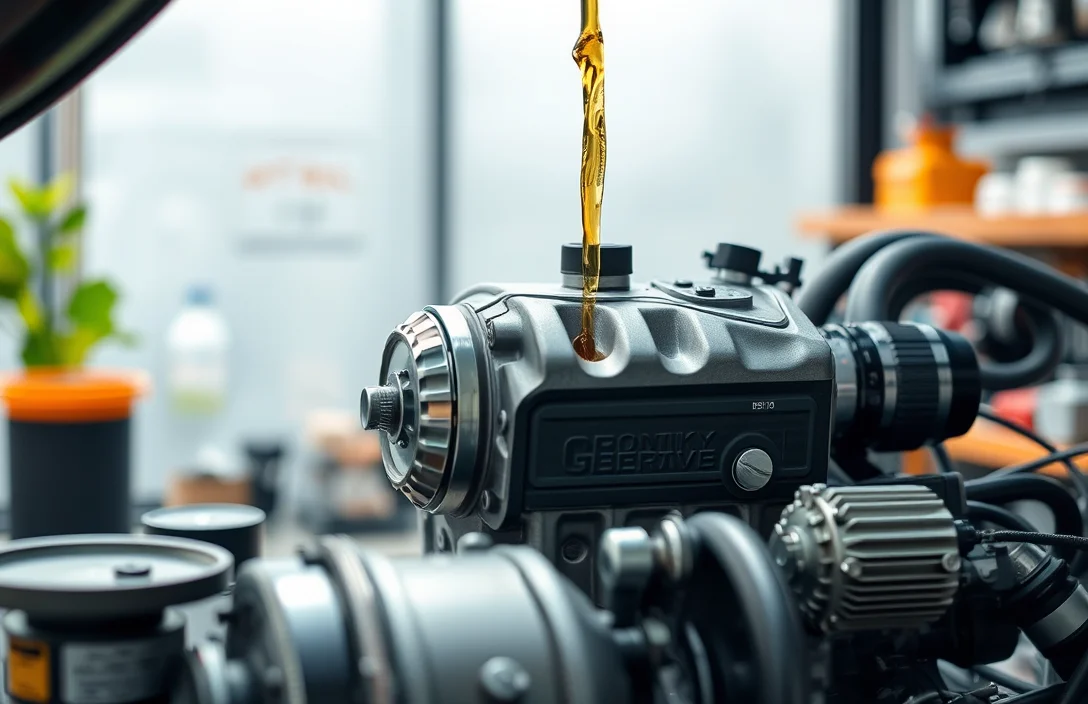
Have you ever wondered how oil plays a crucial role in keeping your engine running smoothly? Understanding the function of oil in an engine can help you appreciate its importance beyond just lubrication, impacting performance, longevity, and efficiency.
Oil serves several key functions in an engine: it lubricates moving parts to reduce friction, transfers heat away from critical components, and cleans the engine by carrying away dirt and debris. These roles are essential for optimal engine performance.
Oil’s Role in Engine Function
Oil is a vital component for the proper operation of an engine, providing essential functions that ensure its longevity and efficiency. Understanding how oil works within an engine is crucial for maintaining performance and preventing damage.
- Lubrication: Oil creates a thin film between moving parts, reducing friction and wear. This allows components to move smoothly, enhancing performance and extending their life.
- Cooling: Engine oil absorbs heat generated by friction and combustion, helping to maintain optimal operating temperatures. This prevents overheating and potential engine failure.
- Cleaning: Oil carries impurities, dirt, and debris away from engine components. This prevents buildup that could lead to blockages and reduced efficiency.
- Sealing: Oil helps seal gaps between engine components, such as piston rings and cylinder walls, improving compression and overall engine efficiency.
- Corrosion Protection: Additives in the oil provide a protective layer on metal surfaces, preventing rust and corrosion from moisture and acidic byproducts of combustion.
These functions illustrate the critical role oil plays in engine performance, making it essential for regular maintenance and timely oil changes to ensure the engine operates efficiently.
Lubrication Mechanism Explained
Oil serves a crucial function in reducing friction between the engine components. This lubrication mechanism is essential for maintaining the efficiency and longevity of the engine. Here’s how oil accomplishes this task:
- Formation of a Lubricating Film: Oil creates a thin film between moving parts, such as pistons and cylinder walls. This film minimizes direct contact, reducing wear and tear.
- Reduction of Friction: The lubricating properties of oil lower the coefficient of friction between metal surfaces, allowing parts to move smoothly against each other.
- Prevention of Metal-to-Metal Contact: By maintaining a protective layer, oil prevents metal surfaces from grinding against one another, which can lead to damage and increased heat generation.
- Contaminant Suspension: Oil also traps debris and contaminants, keeping them suspended and away from critical engine parts, further protecting against damage.
- Resilience under Pressure: Engine components experience significant pressure. Oil’s ability to maintain its viscosity under high temperatures ensures that it remains effective even in extreme conditions.
This lubrication mechanism is vital for the overall performance and reliability of an engine, helping to ensure it operates smoothly and efficiently over time.
Cooling Properties of Oil
Oil plays a critical role in dissipating heat within an engine, preventing overheating and ensuring optimal performance. As the engine operates, it generates significant heat that must be managed effectively. The cooling properties of oil help maintain a stable temperature, contributing to the longevity and efficiency of engine components.
- Heat Absorption: Oil absorbs heat generated by engine parts during operation. As it circulates, it collects heat from surfaces like the cylinder walls and bearings, preventing localized overheating.
- Heat Transfer: Once the oil absorbs heat, it transfers it to the oil pan or cooler. This helps distribute the heat over a larger area, allowing for more efficient cooling.
- Thermal Stability: Engine oils are formulated to maintain their viscosity and performance at high temperatures. This thermal stability ensures that oil remains effective in both lubricating and cooling engine components under extreme conditions.
- Reduced Friction: By creating a lubricating film, oil reduces friction between moving parts, which in turn minimizes heat generation. Less friction means less heat buildup, contributing to overall engine cooling.
In summary, the cooling properties of oil are essential for maintaining engine temperature, enhancing performance, and extending the life of engine components.
Oil Circulation Techniques
Understanding the methods of oil circulation in an engine is essential for optimal performance and longevity. Oil circulation ensures that all moving parts are lubricated, reducing friction and wear. There are several techniques employed in engines to circulate oil efficiently.
The most common method is the pressure lubrication system. In this system, an oil pump draws oil from the oil pan and pushes it through a filter to remove impurities. The filtered oil then travels through oil galleries to reach various engine components, such as the crankshaft, camshaft, and bearings. This method ensures that oil reaches critical areas quickly and maintains adequate pressure.
Another technique is the splash lubrication system, primarily used in older engines and some small engines. In this system, the oil is splashed onto engine parts by moving components, such as the crankshaft. While simpler and less costly, splash lubrication may not provide the same level of protection as pressure systems, especially at high speeds or under heavy loads.
Some modern engines incorporate a combination of both methods or advanced technologies like variable oil pumps, which adjust oil flow based on operating conditions. This adaptability helps improve fuel efficiency and reduce engine wear.
Oil Change Procedures
Changing engine oil is essential for maintaining engine performance and longevity. Follow these steps to effectively change the oil in your vehicle, ensuring a clean and efficient process.
- Gather Supplies: Obtain new oil, an oil filter, an oil catch pan, a funnel, and necessary tools (wrench, socket set, etc.). Check your owner’s manual for the correct oil type and capacity.
- Prepare the Vehicle: Park the vehicle on a level surface and turn off the engine. Allow it to cool for a few minutes to prevent burns.
- Drain Old Oil: Place the oil catch pan under the oil pan. Remove the drain plug and let the old oil fully drain into the pan. Replace the drain plug once the oil has drained.
- Replace the Oil Filter: Use an oil filter wrench to remove the old oil filter. Apply a little new oil to the rubber gasket of the new filter, then install it securely.
- Add New Oil: Remove the oil filler cap and use a funnel to pour new oil into the engine. Refer to the owner’s manual for the correct amount. Replace the cap securely.
- Check Oil Level: Start the engine and let it run for a minute, then turn it off. Wait a minute, then check the oil level using the dipstick and add more oil if necessary.
Synthetic vs. Conventional Oil
This section compares synthetic and conventional motor oils, highlighting their differences and impacts on engine performance. Understanding these distinctions helps in selecting the appropriate oil type for your vehicle’s needs.
| Feature | Synthetic Oil | Conventional Oil |
|---|---|---|
| Base Composition | Man-made, engineered molecules | Derived from crude oil |
| Performance | Superior high-temperature stability | Good for standard driving conditions |
| Viscosity | Maintains viscosity in extreme temperatures | Can break down in high heat |
| Frequency of Change | Longer intervals, up to 10,000 miles | Shorter intervals, typically 3,000-5,000 miles |
| Cost | Higher initial cost | Lower initial cost |
Synthetic oils generally provide better protection, cleanliness, and fuel efficiency compared to conventional oils. They are engineered to withstand extreme conditions, making them suitable for high-performance vehicles and severe driving conditions. Conventional oils, while effective for regular use, may require more frequent changes and can be less efficient at higher temperatures.
Real-World Engine Oil Failures
Engine oil plays a critical role in maintaining engine health, but failures can lead to severe problems. Understanding these failures can help prevent costly repairs and extend engine life. Here are some common examples of how oil-related issues can affect engine performance.
Insufficient oil levels can cause inadequate lubrication, leading to increased friction and overheating. This situation often results in engine knocking, a sound produced when components collide due to a lack of lubrication. Over time, this can lead to catastrophic engine failure.
Oil breakdown is another significant issue. As oil ages, it loses its viscosity and ability to protect engine components. This degradation can lead to sludge formation, which clogs oil passages and restricts flow. Sludge buildup can cause overheating and even complete engine seizure.
Using the wrong type of oil can also create problems. For example, using conventional oil in an engine designed for synthetic oil can result in poor performance and increased wear. Additionally, oil contamination from fuel, dirt, or coolant can compromise the oil’s effectiveness, leading to accelerated wear and potential engine damage.
Regular maintenance and monitoring oil quality can help mitigate these risks and ensure a smooth-running engine.
Quick Summary
- Engine oil lubricates moving parts, reducing friction and wear.
- It helps in cooling the engine by carrying heat away from critical components.
- Oil cleans the engine by trapping dirt and contaminants, preventing sludge buildup.
- It provides a sealing function between piston rings and cylinder walls, enhancing compression.
- Oil also assists in protecting against corrosion and rust within the engine.
- Regular oil changes are essential for optimal engine performance and longevity.
- Different types of oil (synthetic, conventional, etc.) have unique properties suited for various engine needs.
Frequently Asked Questions
1. What is the main purpose of oil in an engine?
The primary purpose of oil in an engine is to lubricate the moving parts, reducing friction and wear. It also helps to cool the engine by dissipating heat and cleaning contaminants that can accumulate over time.
2. How often should I change my engine oil?
It is generally recommended to change your engine oil every 3,000 to 5,000 miles, although some modern oils can last longer. Always check your vehicle’s owner manual for specific recommendations based on your engine type and driving conditions.
3. What are the different types of engine oil?
There are several types of engine oil, including conventional, synthetic, and semi-synthetic oils. Synthetic oils provide better protection and performance in extreme conditions, while conventional oils are more economical for standard use.
4. What happens if I don’t use enough oil in my engine?
Not using enough oil can lead to increased friction, overheating, and potential engine damage. Insufficient oil levels can cause critical components to wear out quickly, leading to costly repairs or even engine failure.
5. How can I tell if my engine oil needs to be changed?
You can check your engine oil level and condition by using the dipstick. If the oil appears dark, gritty, or if the level is below the recommended mark, it’s time for a change. Additionally, if you notice engine noises or warning lights, it may indicate an oil issue.

- How Engine Oil Works: 5 Key Functions for Optimal Performance - March 31, 2026
- How a Car Battery Works: Diagram & Explanation for Beginners - March 31, 2026
- Car Batteries 101: Types, Maintenance Tips, and Buying Guide - March 28, 2026