
How Long To Change Transmission Fluid Diy Time Guide & Tips
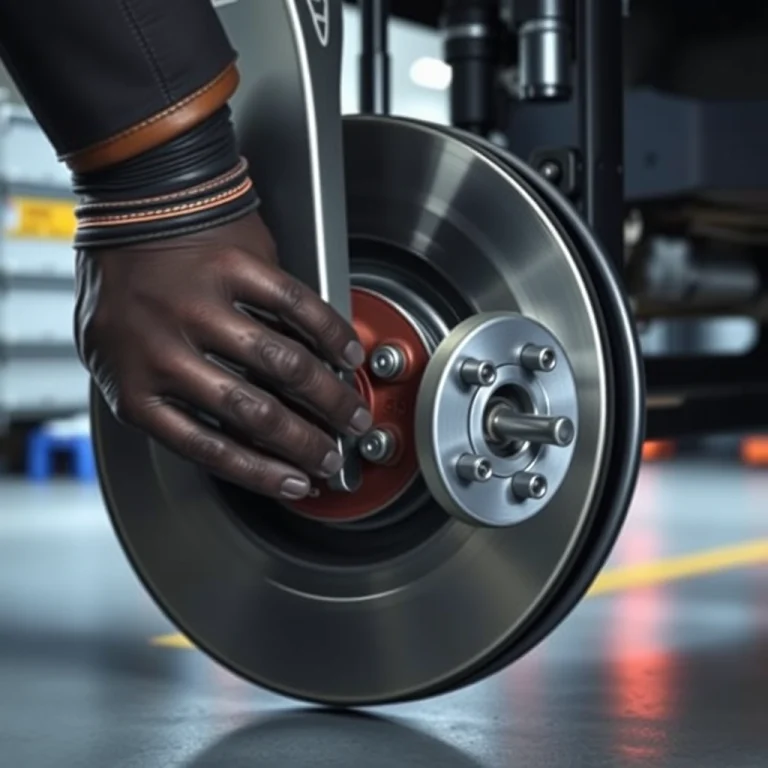
Maintaining your car’s performance doesn’t have to be a daunting task. Among the essential tasks, changing your transmission fluid is often overlooked, yet it plays a critical role in ensuring smooth gear shifts and prolonging the life of your vehicle.
For most vehicles, it’s generally recommended to change the transmission fluid every 30,000 to 60,000 miles. However, this can vary based on your car’s make and model, so consulting your owner’s manual for specific guidance is always a good idea.
Understanding Transmission Fluid
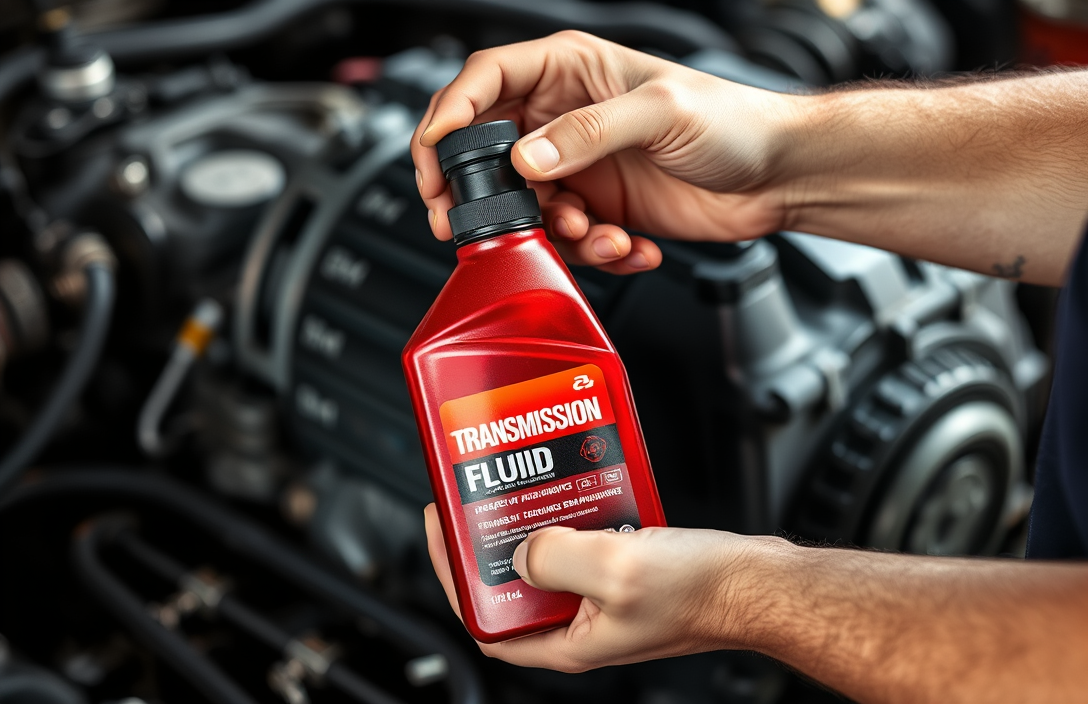
Transmission fluid is a specialized lubricant used to keep the components of your vehicle’s transmission system running smoothly. It plays a crucial role in maintaining the performance and longevity of your car. Here’s a closer look at what transmission fluid does and the different types available.
Functionality of Transmission Fluid
The primary function of transmission fluid is to lubricate the moving parts within the transmission. This reduces friction and prevents overheating, which can lead to wear and tear. Additionally, it helps in cleaning and protecting metal surfaces from wear, conditioning gaskets, and enhancing cooling functions.
Transmission fluid also ensures smooth gear shifts by providing the necessary hydraulic pressure. If the fluid level is low or the fluid is old and degraded, you might experience hard shifts or slipping gears.
Types of Transmission Fluid
There are various types of transmission fluids, and each is formulated to meet specific requirements:
- Automatic Transmission Fluid (ATF): Used in vehicles with automatic transmissions, ATF is designed to optimize performance, provide lubrication, and reduce heat buildup.
- Manual Transmission Fluid: Typically thicker than ATF, this fluid is used in manual transmissions and helps in the smooth operation of gears.
- Synthetic Transmission Fluid: Offers better performance under extreme temperatures, making it suitable for high-performance vehicles.
It’s important to consult your vehicle’s owner manual or a professional technician to determine the right type of transmission fluid for your vehicle. Using the wrong type can lead to suboptimal performance and potential damage.
Signs Your Transmission Fluid Needs Changing
Indicators of Old or Contaminated Fluid
Recognizing when to change your transmission fluid can save you from costly repairs. Here are signs that your transmission fluid may need attention:
- Color and Consistency: Fresh transmission fluid is typically bright red and clear. If it appears dark, brown, or murky, it’s time for a change.
- Burnt Smell: A burnt odor indicates overheating and potential damage. This smell is a clear indicator that your fluid needs replacing.
- Unusual Noises: Grinding, whining, or other strange noises during gear shifts can signal that your fluid isn’t providing adequate lubrication.
- Slipping Gears: Difficulty in shifting gears or slipping out of gear suggests that your fluid isn’t maintaining the necessary pressure to operate the transmission efficiently.
- Delayed or Rough Shifts: If your vehicle hesitates or jerks during shifts, the fluid might be contaminated or old.
Consequences of Neglecting Fluid Change
Ignoring these signs can lead to serious issues:
- Increased Wear and Tear: Contaminated fluid accelerates wear on transmission components, potentially leading to premature failure.
- Overheating: Old fluid fails to dissipate heat effectively, increasing the risk of transmission overheating and component damage.
- Reduced Fuel Efficiency: A struggling transmission can reduce overall fuel efficiency, costing you more at the pump.
- Costly Repairs: Transmission repairs or replacements are expensive. Regular fluid changes can help avoid these costs.
Tip: Consult your vehicle’s manual for recommended transmission fluid change intervals, usually every 30,000 to 60,000 miles, to maintain optimal performance.
Tools and Materials Required

Essential Tools
Changing your transmission fluid at home requires a few basic tools that are likely already in your garage. Here’s what you’ll need:
- Socket Set: A socket wrench with the appropriate socket size for your vehicle’s drain plug.
- Drain Pan: This will catch the old transmission fluid as it drains out.
- Funnel: A long-neck funnel is necessary for adding new fluid without spills.
- Jack and Jack Stands: These are essential for safely lifting and securing your vehicle while you work underneath it.
- Torque Wrench: Use this to ensure the drain plug is tightened to the manufacturer’s specifications.
- Shop Towels: Useful for cleaning up any spills or drips.
Recommended Materials
Beyond tools, you’ll need certain materials to complete the transmission fluid change:
- Transmission Fluid: Make sure to purchase the type specified by your vehicle’s manufacturer. Check the owner’s manual for details.
- New Transmission Filter: Some vehicles require a filter change during fluid replacement. Verify if yours does.
- Gasket or Sealant: If your vehicle uses a gasket for the transmission pan, consider replacing it. Alternatively, some vehicles might need sealant.
- Gloves: Protective gloves to keep your hands clean and safe from chemicals.
A tip: Always double-check the fluid type and quantity needed for your specific vehicle model to avoid potential issues.
Step-by-Step Guide to Changing Transmission Fluid
Changing transmission fluid can typically take between 30 minutes to a couple of hours, depending on your experience and the vehicle’s design. Let’s break down the process to ensure you work efficiently and safely.
Preparation Steps
Start by gathering the necessary tools and materials:
- Transmission fluid (refer to your owner’s manual for the correct type)
- A new transmission filter and gasket
- A drain pan
- Socket set
- Torque wrench
- Safety gloves and goggles
Ensure your car is parked on a level surface and lift it safely using a jack and jack stands.
Draining the Old Fluid
Place the drain pan under the transmission pan. Remove the drain plug using the socket set, allowing the old fluid to completely drain into the pan. If your transmission doesn’t have a drain plug, you’ll need to remove the entire transmission pan. Carefully loosen the bolts on the pan and let one side drop slightly, allowing the fluid to drain slowly to avoid spills.
Refilling with New Fluid
After draining, replace the transmission filter and gasket if needed. Reattach the transmission pan, tightening all bolts with a torque wrench to the manufacturer’s specifications. Pour the new transmission fluid into the fill tube with a funnel, checking the level with the dipstick to ensure proper fill.
Run the engine and shift through all gears to circulate the new fluid. Finally, recheck the fluid level and add more if necessary.
Tip: Always dispose of old transmission fluid properly at a local recycling center.
Estimated Time for Changing Transmission Fluid

Changing transmission fluid is a task that can vary in time depending on several factors. Generally, it takes between 30 minutes to 2 hours to complete the process. This time frame depends on your experience, the tools you have, and your vehicle type.
Factors Affecting Time
- Experience Level: If you are a seasoned DIYer, you might finish quicker than a beginner.
- Vehicle Type: Some vehicles have more accessible transmission systems, while others may require removing parts that add to the time.
- Tools: Having the right tools, such as a transmission jack or a fluid pump, can speed up the process.
- Fluid Type: Some vehicles require specific fluid types, which may need additional time to ensure compatibility and proper filling.
Average Time Frame
For most cars, the average time to change transmission fluid is about an hour. However, this can extend if you’re encountering the system for the first time or dealing with unfamiliar tools.
Tip: Plan for a bit of extra time for clean-up and double-checking your work to ensure everything is sealed and tightened appropriately.
Common Mistakes to Avoid
Overfilling or Underfilling
A common mistake when changing transmission fluid is getting the fluid level wrong. Both overfilling and underfilling can cause significant issues. Overfilling can lead to increased pressure within the transmission, which may cause leaks or damage to seals. On the other hand, underfilling can result in inadequate lubrication, leading to overheating and potential damage to transmission components.
Solution: Always use the dipstick to check the fluid level. Make sure the vehicle is on a level surface and the engine is warm. Follow the manufacturer’s guidelines for the correct fluid level and adjust as needed.
Using Incorrect Fluid Type
Transmission fluids are not one-size-fits-all. Using the wrong type can lead to poor performance and even damage to the transmission. Different vehicles require different specifications of transmission fluid, and using the incorrect type can affect the transmission’s frictional properties.
Solution: Refer to your vehicle’s owner manual or consult a professional to determine the correct type of fluid needed. Stick to the recommended brands and types to ensure optimal performance and longevity of your transmission.
Benefits of Regular Transmission Fluid Changes
Improved Vehicle Performance
Regularly changing your transmission fluid can lead to smoother gear shifts, enhanced acceleration, and overall improved driving experience. Over time, transmission fluid can become contaminated with debris and lose its effectiveness. Fresh fluid ensures that your transmission components are properly lubricated, reducing friction and heat. This not only helps in maintaining optimal performance but also minimizes the risk of unexpected issues arising on the road.
Extended Transmission Lifespan
By keeping your transmission fluid fresh, you significantly increase the lifespan of your transmission. Contaminated or old fluid can lead to increased wear and tear on the gears and other components, eventually causing costly repairs or even a complete transmission overhaul. Changing the fluid at regular intervals helps in preventing such wear, saving you from major expenses down the line. A simple fluid change can keep your transmission running smoothly for years.
Tip: Check your vehicle’s owner manual for the recommended transmission fluid change interval, but a general rule of thumb is every 30,000 to 60,000 miles.
When to Consult a Professional
Changing transmission fluid can be a manageable task for many DIY car owners, but there are situations where seeking professional assistance is advisable.
Complex Vehicle Models
If you own a high-end or complex vehicle, the transmission system might incorporate advanced technology that requires specific knowledge and tools. These cars often have intricate components that are best handled by a technician with experience in that particular make and model. Attempting to service such a transmission without the proper expertise could lead to costly mistakes.
Unusual Symptoms
Sometimes, you might notice signs that indicate deeper issues within your transmission system. If you experience any of the following symptoms, it’s wise to consult a professional:
- Grinding or strange noises during gear shifts.
- Sudden changes in the way your car shifts gears.
- Burning smell coming from the transmission area.
- Transmission fluid that’s dark or has a burnt odor.
These symptoms could suggest problems that go beyond just needing a fluid change, and a professional can diagnose and address the underlying issues.
Tip: Regularly check your vehicle’s service manual for transmission fluid change intervals specific to your make and model.
In situations where you’re unsure about the process, or if it’s your first time dealing with transmission fluid changes, consulting a professional can save time and prevent potential damage. They can offer peace of mind by ensuring the job is done correctly and efficiently.
Quick Summary
- Changing transmission fluid typically takes about 30 minutes to an hour, depending on your vehicle’s make and model and your experience level.
- It’s generally recommended to change the transmission fluid every 30,000 to 60,000 miles, but always refer to your vehicle’s manual for specific guidance.
- Gather all necessary tools and materials before starting, including a jack, jack stands, wrench, drain pan, and the correct type of transmission fluid for your vehicle.
- Ensure your vehicle is on a level surface, and use jack stands for safety when elevating the vehicle.
- Locate the transmission fluid pan, and carefully drain the old fluid before replacing the pan gasket and refilling with new fluid.
- Check the fluid level with the dipstick after changing, and add more if necessary to reach the proper level.
- Dispose of the old transmission fluid properly by taking it to a recycling center or designated disposal site.
Frequently Asked Questions
How often should I change my transmission fluid?
Transmission fluid should typically be changed every 30,000 to 60,000 miles, but it’s best to consult your vehicle’s owner’s manual for specific recommendations.
Can I change the transmission fluid myself?
Yes, you can change it yourself if you have the right tools and feel comfortable doing so. Make sure to follow the procedure carefully to avoid any potential issues.
What are the signs that my transmission fluid needs changing?
Look out for signs like slipping gears, delayed shifting, strange noises, or a burning smell, which might indicate it’s time for a fluid change.
What happens if I don’t change my transmission fluid?
Neglecting to change the fluid can lead to poor transmission performance, reduced lifespan, and potential costly repairs.
Is it necessary to use the exact transmission fluid specified by the manufacturer?
Yes, using the fluid specified by the manufacturer is crucial for maintaining optimal transmission performance and avoiding potential damage.

- Find the Right Engine Oil for Your Car: A Quick Guide - March 1, 2026
- Car Battery Booster Basics: Start Your Vehicle in Minutes - March 1, 2026
- How Long Does It Take To Charge A Motorcycle Battery Charging Time Guide - February 28, 2026