
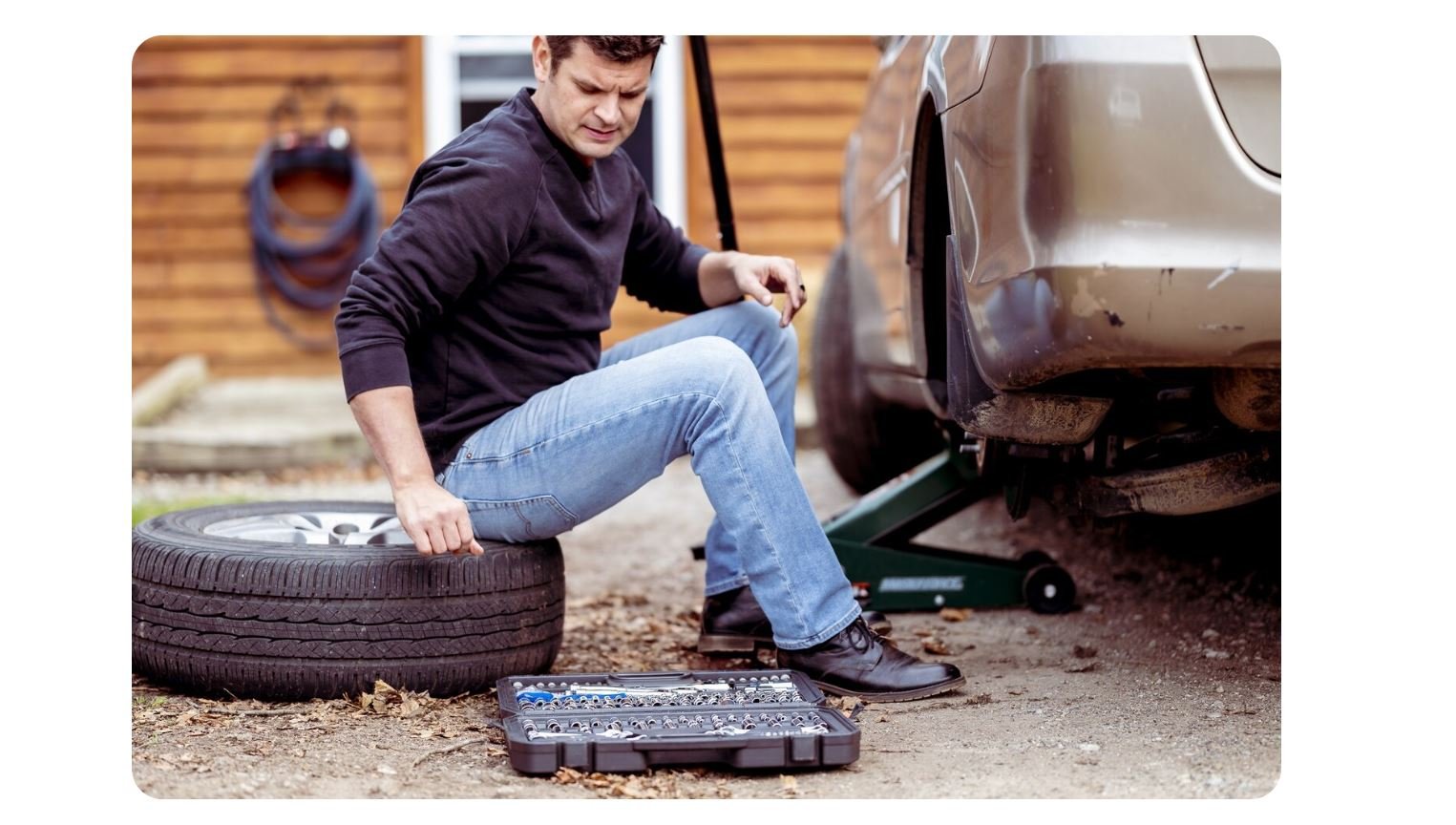
How Much Does It Cost To Plug A Tire Affordable Tire Repair Tips
Car troubles can be stressful, especially when a simple nail in your tire threatens to throw your budget off balance. Understanding the cost of plugging a tire can help you make informed decisions without breaking the bank.
Understanding Tire Plugging

What is Tire Plugging?
Tire plugging is a quick and affordable method to repair small punctures in tires. It involves inserting a plug into the hole to seal it from the inside, preventing air from escaping. This method is designed for minor punctures caused by nails or similar objects, typically in the tread area.
When to Plug a Tire
Plugging is suitable when the puncture is in the tread and measures less than 1/4 inch in diameter. It’s important to ensure the damage is not on the sidewall or near the shoulder, as these areas require more extensive repair or tire replacement.
Cost Consideration: The cost to plug a tire is generally low, ranging from $10 to $20 at most automotive shops. For those who prefer to do it themselves, a tire plug kit can be purchased for a similar price, making it a budget-friendly solution.
Tip: Regularly check your tires for any signs of damage or punctures to address issues promptly, potentially saving you from more costly repairs down the road.
Factors Influencing Plugging Costs
Plugging a tire can be a quick and budget-friendly way to get back on the road, but the cost can vary depending on several factors. Here’s a closer look at what might influence the final bill.
Tire Type
The type of tire you have can impact the cost of plugging. Standard passenger vehicle tires might cost less to plug compared to specialty tires like run-flats or those for high-performance vehicles. The materials and technology involved in these specialized tires can require more expertise and time, potentially increasing the cost.
Damage Location
The location of the puncture is crucial. If the damage is on the tread, it’s usually straightforward and affordable to plug. However, if the puncture is near the sidewall, it might not be safely repairable, leading to the need for a replacement, which is significantly more expensive.
Service Provider Choice
Where you choose to get your tire plugged makes a difference. Local mechanics and service stations might offer more competitive prices compared to brand-name dealerships, which could charge more due to higher overhead costs. Some tire shops might even offer minor repairs like plugging for free if you purchased the tire from them.
Tip: Always ask for a detailed breakdown of costs before agreeing to the service. This can help avoid unexpected charges.
Average Cost of Tire Plugging

Cost Range
Plugging a tire is generally an affordable repair option for many car owners. The cost typically ranges from $10 to $20 per tire. This price can vary slightly depending on your location, the shop you visit, and the specific demands of the repair. Some shops might offer this service on the lower end of the spectrum if you are a repeat customer or if they have special promotions.
Comparative Analysis
In comparison to other types of tire repairs, plugging is one of the least expensive options. For instance, a patch repair, which is often more time-consuming and involves removing the tire from the wheel, can cost between $20 and $40. This makes plugging an attractive choice when budget constraints are a concern. Additionally, replacing a tire outright could cost anywhere from $50 to $200 or more, depending on your vehicle’s tire needs.
Tip: Always check if your tire repair shop offers free plugging as part of a tire purchase or other service package, which can save you even more.
DIY vs. Professional Plugging
DIY Cost Breakdown
Opting to plug a tire yourself can be a budget-friendly choice. A basic tire repair kit, which includes plugs, a rasp tool, and an insertion tool, typically costs between $10 and $20. These kits can be found at most auto parts stores or online. For those who enjoy hands-on projects, this approach not only saves money but also offers the satisfaction of fixing a minor issue on your own.
However, it’s vital to ensure that the repair is done correctly to avoid any safety risks. An improperly plugged tire can lead to further damage or a potential blowout. Make sure to follow all instructions carefully and inspect the tire for any additional damage.
Professional Service Costs
While more expensive, professional tire plugging provides peace of mind with expert handling. Most auto repair shops charge between $10 and $30 for a tire plug service. This cost covers the expertise of trained technicians and the assurance that the repair is performed safely and effectively.
Another advantage of professional service is the thorough inspection of the tire. Technicians can identify any underlying issues that might not be visible to the untrained eye, ensuring that your tire is in optimal condition.
Tip: If you’re uncertain about the extent of the tire damage, it’s often safer to opt for professional services. The small additional cost can be worth the long-term safety and reliability.
Cost-Saving Tips

Saving money on tire plugging can be as simple as being aware of discounts and programs offered by service providers. Below are some practical ways to cut costs on this essential car maintenance task.
Frequent Discounts
Many tire shops offer seasonal or promotional discounts. Keep an eye out for sales, especially around holidays or at the end of the month when shops may be looking to boost their numbers. Signing up for newsletters from local tire centers can also keep you informed about upcoming deals.
Loyalty Programs
Consider joining a loyalty program at your preferred tire shop. These programs often provide members with exclusive discounts, free services after a certain number of visits, or even a free tire plug after a specific number of purchases. These benefits can add up over time, offering significant savings.
Bundled Services
Some auto service centers offer bundled service packages that include tire plugging along with other vehicle maintenance services, such as oil changes or brake checks. Bundling can often result in lower overall costs compared to purchasing each service separately. Ask about these options when scheduling your service appointment.
Tip: Comparing prices across different service providers can also help ensure you’re getting the best deal. Don’t hesitate to ask for a price match if you find a better deal elsewhere.
Potential Additional Costs
Tire Replacement
If the damage to your tire is beyond plugging – such as a large puncture or a sidewall tear – you might face the cost of a new tire. Prices vary based on the brand and size, but typically range from $50 to $200. It’s essential to ensure the tire’s safety and longevity, so replacing it might be the best option if the damage is severe.
Alignment Services
Sometimes, tire issues can lead to alignment problems. If your tire was damaged due to hitting a pothole or curb, your car’s alignment might be off. A misaligned vehicle can cause uneven tire wear and affect handling. Alignment services usually cost between $75 and $100. It’s a good step to ensure your car drives smoothly and your tires wear evenly.
Additional Considerations
- Balancing: If your wheel feels unsteady, you might need wheel balancing. This service generally costs $10 to $15 per tire.
- Valve Stem Replacement: A faulty valve stem can cause air leaks. Replacing it usually costs around $5 to $10.
- Emergency Roadside Assistance: Sometimes, a flat occurs when you least expect it. If you need roadside assistance, ensure you’re aware of any associated costs if not covered by your insurance or membership plans.
Tip: Regularly check your tires for wear and damage. Promptly addressing issues can save you from unexpected expenses and ensure safety on the road.
Long-Term Cost Considerations
Impact on Tire Longevity
Plugging a tire is often a quick and affordable solution, typically costing between $10 and $20 at most repair shops. However, consider the long-term effects on tire longevity. A plugged tire might not last as long as a new one, especially if the plug isn’t properly installed. Regularly checking the repair area for any signs of wear or leakage can prevent unexpected flat tires down the road, saving you from more costly replacements.
Safety Implications
Safety should never be compromised. While a plug can be effective for minor punctures in the tread, it may not be suitable for sidewall damage. Driving on a compromised tire can pose risks, particularly at high speeds or in adverse conditions. If you’re unsure about the repair’s safety, it may be worthwhile to invest in a new tire. The peace of mind and safety benefits often outweigh the initial savings from plugging.
In summary, while plugging a tire is cost-effective in the short term, it’s essential to weigh these considerations to ensure safety and avoid potential future expenses. Regular maintenance and cautious driving can help extend the life of a plugged tire.
Final Decision Making
Evaluating Cost vs. Benefit
When considering whether to plug a tire, it’s essential to weigh the immediate cost against potential long-term benefits. Tire plugging is a cost-effective solution, typically ranging from $10 to $20 at most service centers. This makes it an attractive choice for minor punctures, especially when compared to the price of a new tire, which can easily exceed $100.
For small punctures, a plug can restore your tire’s ability to hold air and keep you on the road. However, it’s important to ensure that the puncture is in a repairable area of the tire and not too large or on the sidewall, as these conditions might require a different approach.
Long-Term Vehicle Maintenance
While plugging a tire can be a quick fix, consider how it fits into your overall vehicle maintenance strategy. A plug can extend the life of a tire, allowing you to spread out expenses and budget for a full replacement later. However, regular inspections are vital to ensure the plug remains secure and the tire continues to function safely.
Tip: Check your tire pressure regularly after plugging. A consistent drop may indicate a need for further inspection.
Ultimately, the decision should balance immediate cost savings with safety and long-term performance. If you find yourself frequently needing tire repairs, it may be time to invest in a new set of tires to prevent future issues.
Quick Summary
- The cost of plugging a tire generally ranges from $10 to $30, depending on the repair shop and location.
- DIY tire plug kits are available for around $5 to $20 if you want to tackle the repair yourself.
- Plugging a tire is a quick solution for minor punctures, typically under a quarter of an inch in diameter.
- For larger punctures or sidewall damage, tire plugging may not be safe, and a replacement might be necessary.
- Many tire repair shops offer free or discounted plugging services if you purchased your tires from them.
- Regular tire maintenance and inspections can help prevent the need for frequent tire repairs.
- Consider checking your tire warranty, as some plans may cover repair costs for punctures.
Frequently Asked Questions
What is the average cost of plugging a tire?
The average cost to plug a tire ranges from $10 to $20. Prices can vary based on location and service provider.
Is it cheaper to plug a tire yourself?
Yes, plugging a tire yourself can be cheaper since tire plug kits cost around $5 to $10. However, professional service ensures a proper seal.
How long does it take to plug a tire?
Plugging a tire usually takes about 15 to 30 minutes. This quick fix gets you back on the road faster.
Are there any risks associated with plugging a tire?
Improperly plugged tires can lead to air leaks or further damage. It’s recommended to have a professional assess the tire for safety.
Can all tire punctures be plugged?
Not all punctures can be plugged. Damage to the sidewall or large holes may require a tire replacement.

- Find the Right Engine Oil for Your Car: A Quick Guide - March 1, 2026
- Car Battery Booster Basics: Start Your Vehicle in Minutes - March 1, 2026
- How Long Does It Take To Charge A Motorcycle Battery Charging Time Guide - February 28, 2026