How Much Engine Oil Does Your Car Need? Find Out Now!
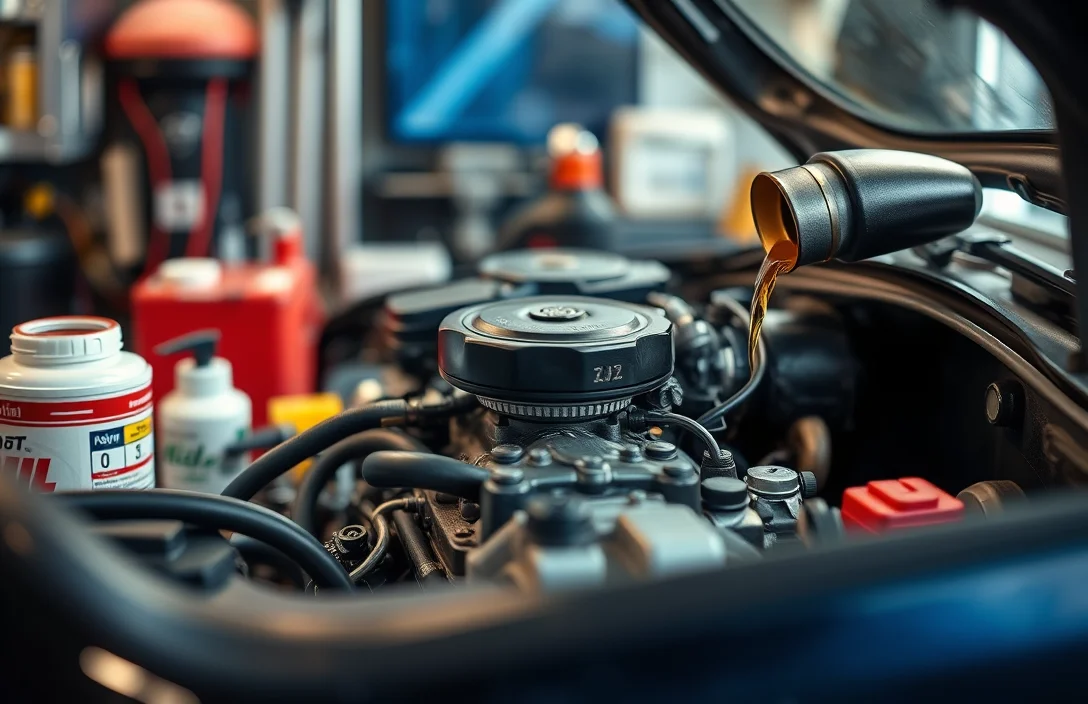
Understanding how much engine oil your car needs is essential for maintaining its performance and longevity. Many vehicle owners overlook this simple yet crucial aspect, leading to potential engine problems down the line. Knowing the right amount can save you money and keep your car running smoothly.
The amount of engine oil required varies by vehicle make and model. Check your owner’s manual for specific recommendations, and consider oil type and engine size when making your choice. Regular checks ensure optimal performance.
undefined
Understanding how much engine oil your car needs is crucial for maintaining its performance and longevity. This section will provide a clear overview of the factors that influence oil capacity, ensuring you have the right amount for optimal operation.
Engine oil capacity varies widely among different makes and models of vehicles. Typically, the amount required can range from 4 to 8 quarts, depending on the engine size and design. Common factors that affect how much oil your vehicle needs include:
- Engine Size: Larger engines usually require more oil.
- Engine Type: Diesel engines often have different oil capacity compared to gasoline engines.
- Manufacturer Specifications: Refer to the owner’s manual for precise capacity information.
- Oil Filter Size: A larger oil filter can slightly increase the total oil volume needed.
Consulting your vehicle’s manual or manufacturer’s website is the best way to determine the exact oil capacity required for your car. This ensures that you use the correct amount, helping to maintain engine health and efficiency.
undefined
Understanding the engine oil capacity for your car is crucial for maintaining optimal performance. This section will guide you on how to determine the specific amount of oil your vehicle requires, ensuring that you can effectively manage your oil changes and keep your engine running smoothly.
Each vehicle has a designated engine oil capacity, typically measured in quarts or liters. This information can usually be found in your owner’s manual, which provides the exact specifications for your model. If you don’t have access to the manual, many manufacturers list this information on their official websites or within service guides.
As a general rule of thumb, most passenger cars typically require between 4 to 6 quarts of oil. However, larger vehicles like SUVs and trucks may need more, often ranging from 6 to 8 quarts or more. Additionally, consider factors such as engine type and whether the vehicle has a turbocharger, as these can influence oil capacity.
When checking your oil capacity, it’s also advisable to account for the oil filter. Replacing the oil filter during an oil change can require additional oil to fill the system back to its optimal level. Always ensure you have the correct quantity before starting the oil change process.
undefined
Understanding the engine oil capacity of your car is crucial for maintaining its performance and longevity. This section focuses on how to determine the specific amount of oil your vehicle requires for optimal function. Knowing the correct oil capacity helps ensure that your engine runs smoothly and efficiently.
To find out how much engine oil your car needs, you can follow these steps:
- Consult the Owner’s Manual: The owner’s manual is the most reliable source for your vehicle’s oil capacity. It typically includes details about the engine type and the recommended oil quantity.
- Check the Dipstick: After an oil change, use the dipstick to check the oil level and determine if additional oil is required. This helps ensure you do not overfill or underfill the engine.
- Look for Manufacturer Specifications: Many manufacturers provide oil capacity specifications on their websites or in technical documentation. This information can be useful if the owner’s manual is unavailable.
- Online Forums and Communities: Engaging with online forums dedicated to your car model can provide insights from other owners regarding oil capacity and preferences.
By following these methods, you can accurately determine the amount of engine oil required for your car, contributing to its overall health and performance.
undefined
Identifying the correct engine oil capacity for your car is crucial for maintaining optimal engine performance. This section will guide you on how to find the precise amount of oil your vehicle requires. Understanding your car’s specifications will help prevent underfilling or overfilling, which can lead to engine damage.
Start by consulting your owner’s manual, which typically includes the manufacturer’s recommended oil capacity. This information is often found in the specifications section or in the maintenance schedule. If the manual is unavailable, you can also find this information online by searching for your vehicle’s make, model, and year along with “engine oil capacity.” Manufacturer websites, automotive forums, and repair databases can provide reliable details.
Another option is to check the oil dipstick, which sometimes has markings indicating the oil level. However, this may not give the total capacity but can help ensure you have the right amount during checks. If you’re still unsure, consider visiting a trusted mechanic who can provide the correct specifications for your vehicle. Ensuring you know the exact amount of oil required will lead to better engine health and longevity.
undefined
Understanding how to measure the correct amount of engine oil for your car is crucial for maintaining its performance and longevity. This section will guide you through the key factors that affect the oil capacity and how to determine the right amount for your vehicle.
Engine oil capacity can vary significantly based on the make, model, and engine type of your car. Typically, the oil capacity is listed in the owner’s manual, which is the most reliable source for this information. If you don’t have access to the manual, consider checking the manufacturer’s website or contacting a local dealership.
Most vehicles require between 4 to 8 quarts of oil. However, high-performance engines or larger vehicles may need more. Additionally, some cars have specific requirements for oil types, which can influence how much oil is needed. Always check for any engine-specific recommendations to avoid any issues.
Using a dipstick is essential for checking the oil level. After adding oil, allow the engine to run for a few minutes, then turn it off and wait a few moments before checking the dipstick to see if the level is within the recommended range. This practice ensures accuracy in measuring oil levels and helps prevent overfilling or underfilling.
undefined
Understanding the types of engine oil suitable for your car is crucial for optimal performance. The right oil not only affects the amount you will need but also the overall health of your engine. Different vehicles have varying requirements based on their design and engine specifications.
Most engines require either conventional, synthetic, or a blend of both types of oil. Conventional oil is derived from crude oil and is generally less expensive, suitable for older cars or those with simple engines. Synthetic oil is chemically engineered to provide better performance and protection, especially in extreme temperatures and high-stress conditions. It is often recommended for newer vehicles and high-performance engines.
The viscosity of the oil, indicated by numbers such as 5W-30 or 10W-40, also plays a role in how much oil you will need. Thicker oils can offer better protection at high temperatures but may not flow as easily in cold conditions. Refer to your owner’s manual for the recommended viscosity and type of oil for your specific model. Keep in mind that using the wrong type or viscosity can lead to inadequate lubrication, overheating, and potential engine damage.
undefined
Understanding engine oil capacity is critical for maintaining your vehicle’s performance. This section focuses on how to determine the amount of oil your specific car requires. Knowing the correct capacity ensures optimal engine function and longevity.
Start by consulting your owner’s manual, which provides the exact engine oil capacity for your vehicle model. Most manuals specify the amount in quarts or liters. If you do not have a manual, you can often find this information on the manufacturer’s website or by contacting a dealership.
Another method involves checking the oil dipstick. After draining the old oil and replacing the oil filter, add oil gradually until it reaches the correct level indicated on the dipstick. This method is useful for fine-tuning, especially if you’re uncertain about the exact capacity.
It’s also advisable to consider the engine type and any modifications made to your vehicle, as these can affect oil capacity. For instance, high-performance engines or those with larger displacement may require more oil than standard engines. Always ensure you use the oil type specified by the manufacturer for optimal results.
undefined
Understanding the capacity of your car’s engine oil is crucial for maintaining optimal performance. This section will clarify how to determine the exact amount of oil needed for your specific vehicle, ensuring you avoid underfilling or overfilling.
Most vehicles have a specified oil capacity, which can generally be found in the owner’s manual. The capacity often varies by engine type and model. To find the correct amount, you can also check online resources or consult with your dealership. It’s essential to consider whether the oil change involves replacing the oil filter, as this can affect the total oil needed.
Typically, a standard passenger car requires between 4 to 6 quarts of oil. However, larger vehicles such as trucks or SUVs may need more. If you’re unsure, checking the dipstick after adding oil can help you gauge the level. Always add oil gradually and check frequently to avoid exceeding the maximum level, which can lead to engine damage.
undefined
Understanding how much engine oil your car requires is crucial for its maintenance and longevity. This final section summarizes key points to consider when determining the right amount of oil for your vehicle.
Refer to your owner’s manual for the specific oil capacity, which varies by make and model. Typically, engine oil capacity can range from about 4 to 8 quarts, but some high-performance engines may require more. Always check if you need to consider additional factors such as oil filters during an oil change, as replacing the filter may slightly increase the overall oil capacity needed.
Be mindful of the type of oil you are using, as different oils have varying properties and benefits. Synthetic oils often provide better performance and longevity compared to conventional oils, but they may also come with a higher price tag. Regularly checking your oil level using the dipstick is essential to ensure your engine operates smoothly, preventing damage from low oil levels.
Lastly, always dispose of used oil responsibly by taking it to a recycling center or an auto shop that offers oil recycling. This practice not only protects the environment but also contributes to sustainable car maintenance.
Quick Summary
- Check your owner’s manual for the specific engine oil capacity for your car model.
- Engine oil capacity can vary significantly between different makes and models.
- Consider factors like engine size, type (4-cylinder, V6, V8), and whether the engine is turbocharged.
- Some vehicles may require additional oil for oil filters during oil changes.
- Regularly check your oil level using the dipstick to ensure optimal engine performance.
- Using the correct oil type and amount can improve fuel efficiency and prolong engine life.
- Consult a professional mechanic if unsure about your car’s oil requirements.
Frequently Asked Questions
How do I find out how much engine oil my car needs?
You can find the specific oil capacity for your car in the owner’s manual, which typically includes detailed information about engine specifications. Additionally, many manufacturers provide this information on their websites or through customer support.
Does the amount of oil vary by engine type?
Yes, the amount of oil required can vary significantly between different engine types and sizes. Generally, larger engines and those with more complex configurations require more oil than smaller or simpler engines.
What happens if I overfill or underfill the engine oil?
Overfilling engine oil can lead to increased pressure in the engine and potential damage, while underfilling can cause inadequate lubrication, leading to engine wear or failure. It’s crucial to check your oil level regularly and maintain it within the recommended range.
Can I use any type of oil for my car?
While some oils may be compatible with your car, it’s best to use the type and viscosity recommended by the manufacturer. Using the wrong oil can affect engine performance and longevity.
How often should I check my engine oil level?
It’s a good practice to check your engine oil level at least once a month or before long trips. Regular checks help ensure that your engine is properly lubricated and can help you catch potential issues early.

- How Much Engine Oil Does Your Car Need? Find Out Now! - March 16, 2026
- How a Car Battery Tester Works: Step-by-Step Guide for You - March 16, 2026
- How a Car Battery Charger Works: Step-by-Step Guide for Beginners - March 13, 2026