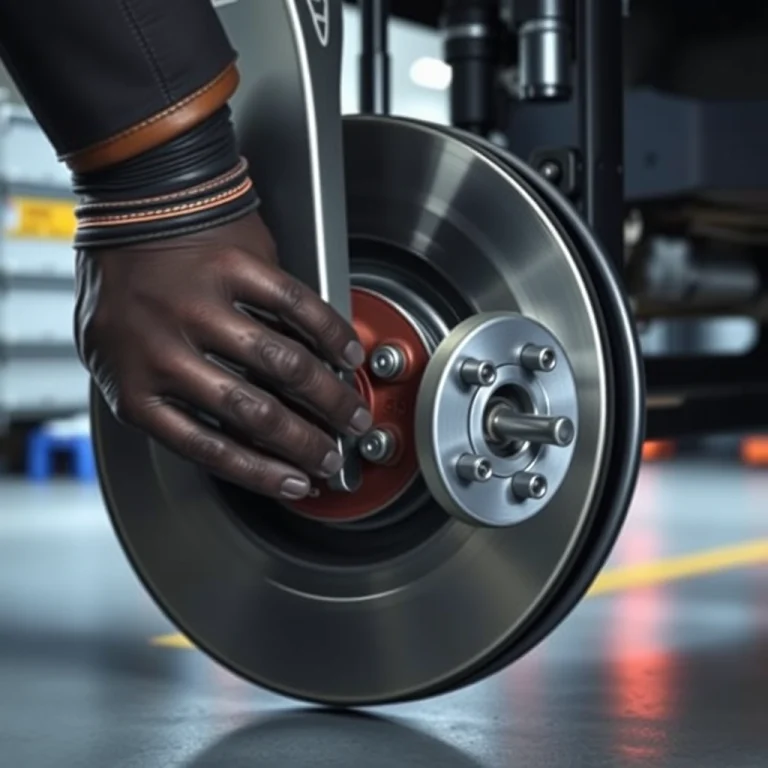
How Often To Align Tires For A Smooth And Safe Ride
Keeping your vehicle in top condition is something every cautious owner strives for, and tire alignment plays a crucial role in ensuring a smooth and safe ride. Misalignment can lead to uneven tire wear, poor handling, and decreased fuel efficiency.
Regular tire alignment is recommended every 6,000 to 10,000 miles or during each oil change. However, if you notice any unusual tire wear or steering issues, it might be time to check your alignment sooner.
Understanding Tire Alignment

What is Tire Alignment?
Tire alignment refers to the adjustment of a vehicle’s suspension system, which connects the car to its wheels. The goal is to ensure that the tires are set to the optimal position as per the manufacturer’s specifications. This involves adjusting the angles of the tires which affects how they make contact with the road.
Importance of Proper Alignment
Proper tire alignment is important for maintaining the vehicle’s performance and safety. Misaligned tires can lead to uneven tire wear, reducing the lifespan of the tires. This not only results in more frequent tire replacements but can affect the vehicle’s handling and fuel efficiency.
Misalignment can cause the vehicle to pull to one side, making steering difficult and potentially dangerous. Additionally, it can increase fuel consumption due to increased resistance between the tires and the road.
How often should you check alignment? Generally, it’s recommended to have your tire alignment checked every 6,000 to 10,000 miles or whenever you notice symptoms of misalignment, such as uneven tire wear or pulling to one side. Consider checking it more frequently if you drive on rough roads or hit potholes.
Signs Your Vehicle Needs Alignment
Uneven Tire Wear
One of the most noticeable signs that your vehicle may need a tire alignment is uneven tire wear. When your tires are not aligned properly, certain areas of the tire tread can wear out faster than others. Regularly inspect your tires, and if you notice any irregular patterns, such as more wear on the inner or outer edges, it might be time to schedule an alignment.
Steering Wheel Issues
If your steering wheel is not centered when driving straight, or if it vibrates, these could be indicators that your vehicle requires an alignment. A misaligned vehicle can cause the steering wheel to veer off-center, making it difficult to maintain a straight line. Pay attention to any unusual steering sensations, as they can affect your vehicle’s handling and safety.
Vehicle Pulling
A car that drifts or pulls to one side of the road while driving can be another sign of alignment issues. This pulling sensation can make your driving experience uncomfortable and unsafe. If you notice your vehicle pulling to one side, especially on a flat road, it might be necessary to get an alignment check.
Tip: Regularly rotate your tires and check tire pressure to help identify alignment issues early.
Recommended Frequency for Tire Alignment

General Guidelines
Tire alignment should typically be checked every 6,000 to 10,000 miles. This interval often coincides with routine maintenance tasks, such as oil changes, making it convenient to address alignment during these visits. However, aligning your tires doesn’t always mean they will need adjustment at each check. It’s about ensuring your vehicle continues to run smoothly and safely.
Factors Affecting Frequency
Several factors can influence how often you should check your tire alignment:
- Driving Conditions: Frequent travel on rough, uneven roads or hitting potholes can necessitate more frequent alignment checks.
- Vehicle Usage: Commercial vehicles or those used for heavy towing may require more regular checks due to the extra strain on the suspension system.
- Signs of Misalignment: If you notice your vehicle pulling to one side, uneven tire wear, or a crooked steering wheel, it’s time to schedule an alignment, regardless of the mileage since the last check.
Tip: Regularly inspect your tires for uneven wear patterns as these are often an early indicator of misalignment.
By adhering to these guidelines and paying attention to the factors affecting your vehicle, you can help ensure optimal tire performance and safety on the road.
Benefits of Regular Tire Alignment
Improved Fuel Efficiency
Regular tire alignment can lead to better fuel efficiency. When tires are misaligned, they create more friction with the road, causing the engine to work harder and consume more fuel. Aligning the tires ensures they roll smoothly, reducing resistance and allowing your vehicle to use fuel more efficiently. This simple maintenance step can save you money at the pump over time.
Extended Tire Life
Proper alignment helps extend the life of your tires. Misaligned tires wear unevenly, which can lead to premature tire replacement. By ensuring your tires are correctly aligned, you promote even wear, allowing them to last longer. This not only saves you money on tire replacements but also ensures a smoother and safer driving experience.
Enhanced Safety
Safety is a top concern for any vehicle owner. Misaligned tires can affect your car’s handling, making it more difficult to steer and increasing the risk of accidents. Proper alignment ensures that your car responds accurately to steering inputs, providing better control and reducing the chances of unexpected skids or slides, especially in adverse weather conditions.
Tip: Consider getting your tires aligned every 6,000 to 8,000 miles or whenever you notice uneven tire wear, pulling to one side, or a crooked steering wheel.
Professional vs. DIY Tire Alignment

Deciding whether to attempt a tire alignment on your own or turn to a professional can often depend on your comfort level with vehicle maintenance and the tools at your disposal.
When to Seek Professional Help
Professional tire alignment services are recommended if you’re experiencing significant handling issues, uneven tire wear, or after hitting a major pothole. Here are some reasons why:
- Advanced Equipment: Professionals use computerized alignment machines that provide precise measurements and adjustments.
- Expertise: Trained technicians can spot related issues that might go unnoticed, such as suspension problems.
- Warranty: Many service centers offer warranties on their work, providing peace of mind.
DIY Alignment Basics
If you’re the hands-on type and have the necessary tools, a DIY alignment is possible but comes with challenges. Here’s what to consider:
- Tools Required: Basic tools include a jack, wrench, and measuring tape. Advanced setups might require alignment tools that measure angles.
- Time and Patience: DIY alignment can be time-consuming and requires precision to avoid further tire issues.
- Learning Curve: Understanding the correct alignment specifications for your vehicle is crucial. Refer to the vehicle’s manual for guidance.
Tip: Attempt a DIY alignment only if you’re confident in your mechanical skills. Otherwise, consulting a professional can save time and ensure safety.
Cost of Tire Alignment Services
Average Costs
Tire alignment services typically range between $75 and $100 for a standard vehicle. Prices can vary based on your location and the specific requirements of your vehicle. Luxury or performance cars might see higher costs due to specialized equipment or additional adjustments.
Factors Affecting Price
- Type of Alignment: A front-end alignment is usually less expensive than a four-wheel alignment. If your vehicle requires adjustments on all wheels, expect to pay more.
- Vehicle Make and Model: Some vehicles demand specialized skills or tools, impacting the overall cost.
- Service Provider: Dealerships might charge premium rates compared to independent shops, although they might also offer package deals with other services.
- Location: Prices can differ significantly between urban and rural areas due to overhead costs and demand.
Tip: Regularly check for alignment deals or coupons online, especially during seasonal promotions.
Common Myths About Tire Alignment
Myth: Alignment Is Only Needed After Tire Changes
Many drivers think that tire alignment is only necessary when they get new tires. This is not the case. Alignment should be checked regularly to ensure safe and efficient driving. Factors such as road conditions, potholes, and even hitting a curb can affect your alignment. Hence, it’s advisable to have your alignment inspected during routine maintenance or if you notice any signs of misalignment.
Myth: All Alignments Are the Same
Another common misconception is that all alignments are identical. In reality, there are different types of alignments tailored to the needs of your vehicle. A technician might opt for a front-end alignment, a thrust alignment, or a four-wheel alignment based on your car’s specifications and symptoms. Consult your vehicle’s manual or a trusted mechanic to determine the right type of alignment for your car.
To maintain the health of your tires and vehicle, check alignment:
- Whenever you notice uneven tire wear.
- If your vehicle pulls to one side.
- After significant road impacts, such as hitting a pothole.
- During regular service checks, as recommended by your vehicle manufacturer.
Tip: Regular alignment checks can extend the life of your tires and improve fuel efficiency.
How to Choose the Right Alignment Service
Research and Reviews
Finding a trustworthy tire alignment service starts with gathering information from reliable sources. Look for customer reviews on platforms like Google and Yelp. Pay attention to feedback regarding the accuracy of the alignment and customer service. A high rating combined with detailed positive reviews can be a good indication of quality.
Certification and Equipment
Check if the service provider has the necessary certifications. Technicians certified by the National Institute for Automotive Service Excellence (ASE) are generally well-qualified. Additionally, ensure that the shop uses modern alignment equipment. Up-to-date machinery often delivers more precise results, which can enhance the longevity of your tires.
It’s typically recommended to have your tires aligned every 6,000 to 10,000 miles. However, if you notice uneven tire wear or your vehicle pulls to one side, it might be time for an earlier check. Choosing a service with a proven track record and certified technicians can prevent these issues from escalating.
Quick Summary
- Tire alignment is recommended every 6,000 to 10,000 miles, or at least once a year, to maintain optimal vehicle performance and safety.
- If you notice uneven tire wear, steering pulling to one side, or unusual vibrations, it might be time for an alignment check sooner.
- Regular alignments can extend the lifespan of your tires and improve fuel efficiency.
- Consider aligning your tires after any significant impact, such as hitting a pothole or curb, or if you’ve had suspension work done.
- Monitor your vehicle’s handling and check alignment if you experience changes in steering responsiveness.
- Consult your vehicle’s manual or a trusted mechanic for specific alignment intervals tailored to your driving habits and conditions.
Frequently Asked Questions
How often should I have my tires aligned?
It’s generally recommended to check your tire alignment every 6,000 to 10,000 miles. Regular checks help ensure optimal vehicle performance and extend tire life.
What are the signs that my tires need alignment?
Look for uneven tire wear, vehicle pulling to one side, or a crooked steering wheel when driving straight. These are common indicators that an alignment is needed.
Can poor alignment affect my fuel efficiency?
Yes, misaligned tires can reduce fuel efficiency. Proper alignment ensures that your vehicle runs smoothly and can improve gas mileage.
Is tire alignment necessary after getting new tires?
It’s a good practice to align your tires after purchasing new ones. This ensures even wear from the start and helps maintain the longevity of your tires.
Does tire alignment impact safety?
Absolutely, proper alignment contributes to safe handling and control of your vehicle. It minimizes the risk of accidents caused by misalignment-related steering issues.

- Find the Right Engine Oil for Your Car: A Quick Guide - March 1, 2026
- Car Battery Booster Basics: Start Your Vehicle in Minutes - March 1, 2026
- How Long Does It Take To Charge A Motorcycle Battery Charging Time Guide - February 28, 2026