How Often To Do Wheel Alignment For Safe And Smooth Driving
Keeping your vehicle steady on the road involves more than just regular oil changes and tire pressure checks. If you’ve ever noticed your car drifting to one side, it might be time to think about wheel alignment.
Wheel alignment should be done every 6,000 to 10,000 miles, or whenever you notice uneven tire wear, pulling, or steering issues. This helps ensure safety and prolongs tire life.
Understanding Wheel Alignment

Understanding Wheel Alignment
Regular wheel alignment is essential for maintaining your vehicle’s safety and performance. So, how often should you do it? While specific recommendations can vary based on the make and model of your car, a general guideline is to check your alignment every 6,000 to 10,000 miles. This interval often coincides with routine tire rotations.
What is Wheel Alignment?
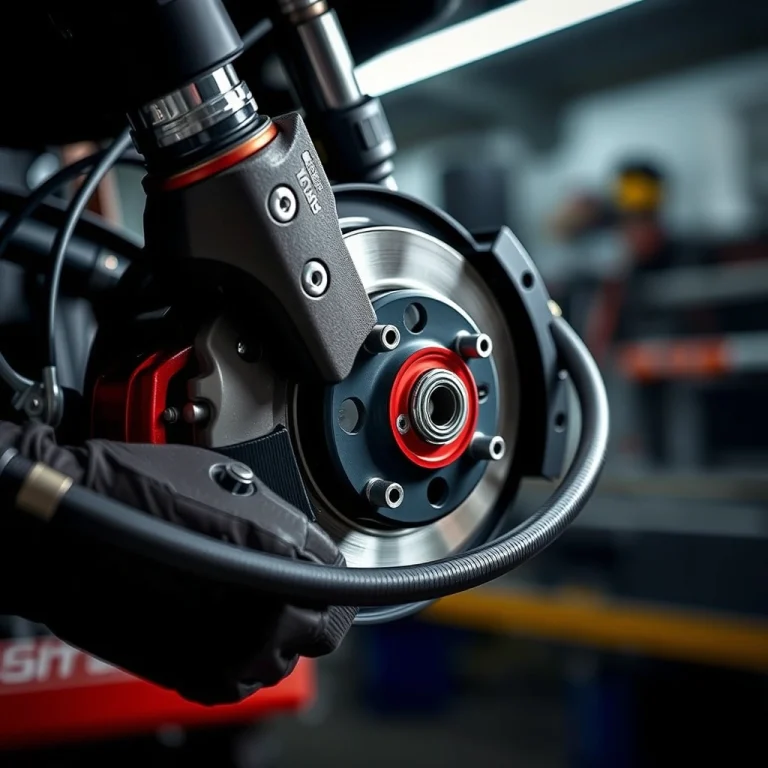
Wheel alignment refers to the adjustment of your vehicle’s suspension, which is the system connecting the vehicle to its wheels. It’s not just about the wheels themselves, but rather the angles at which they meet the road. Proper alignment ensures that your tires meet the road at the correct angle, are centered in the wheel wells, and are pointing straight.
Importance of Proper Alignment
Proper alignment is crucial for several reasons:
- Safety: Misaligned wheels can lead to uneven tire wear, reducing traction and increasing the risk of accidents.
- Tire Longevity: Keeping your wheels aligned helps prevent premature tire wear, saving you money in the long run.
- Fuel Efficiency: A vehicle with correct alignment will have less resistance from the road, improving fuel efficiency.
- Driving Comfort: Alignment issues can cause your vehicle to pull to one side, making it uncomfortable and tiring to drive.
Tip: If you notice your vehicle pulling to one side or your steering wheel is off-center while driving straight, it may be time for a wheel alignment check.
Signs Your Vehicle Needs Alignment
Steering Wheel Issues
If your steering wheel is vibrating or isn’t centered when driving straight, it’s a clear indication that your vehicle might need alignment. A misaligned car can cause the steering wheel to veer off-center, even when the wheels are pointing straight. This issue not only affects driving comfort but can also lead to uneven tire wear.
Uneven Tire Wear
Check your tire treads regularly. If you notice that the wear is uneven across the tires – such as more wear on one side than the other – it’s a likely sign of misalignment. This uneven wear can reduce tire life and affect vehicle handling.
Vehicle Pulling to One Side
When your car pulls to one side while driving on a straight road, it’s a sign that the wheels are not properly aligned. This can force you to constantly adjust the steering, which is both inconvenient and potentially unsafe. Addressing this issue promptly can improve driving stability and safety.
Recommended Alignment Frequency

General Guidelines
Wheel alignment is an essential maintenance task that is often overlooked but crucial for vehicle safety and tire longevity. As a general rule, it is recommended to have wheel alignment checked every 6,000 to 10,000 miles. This interval conveniently aligns with regular oil changes, making it easier to incorporate into routine maintenance.
Several factors can necessitate more frequent alignments, including driving on rough roads, hitting potholes, or experiencing an impact with curbs. If you notice uneven tire wear, the car pulling to one side, or a crooked steering wheel when driving straight, these are signs that an alignment check is needed sooner.
Manufacturer Recommendations
While general guidelines provide a solid baseline, always refer to your vehicle’s owner manual for manufacturer-specific recommendations. Some manufacturers suggest alignment checks every 15,000 miles, while others might have different intervals based on the vehicle model and type.
Tip: Keeping a record of when your last alignment was done can assist in adhering to the manufacturer’s schedule. This not only ensures vehicle safety but also helps maintain warranty requirements.
Ultimately, regular wheel alignment checks can prevent costly repairs, improve fuel efficiency, and extend the life of your tires, ensuring a safer driving experience.
Factors Affecting Alignment Frequency
Driving Conditions
How often you should align your wheels depends significantly on driving conditions. If you frequently navigate through rough roads or potholes, your wheels may need alignment more often. Uneven surfaces can easily knock wheels out of alignment. Consider an inspection after driving in challenging conditions to maintain vehicle safety and performance.
Vehicle Type
Different vehicles have different alignment needs. For instance, performance cars or those with all-wheel-drive systems may require more frequent checks due to their complex setups. On the other hand, a standard sedan might not need alignment as often unless exposed to harsh conditions.
Suspension Modifications
If you’ve modified your vehicle’s suspension, it’s wise to schedule regular alignment checks. Alterations such as lifting or lowering can affect wheel angles and alignment, necessitating more frequent adjustments to keep your car handling safely and efficiently.
Tip: Keep a log of alignment checks and road conditions to better predict future alignment needs.
Benefits of Regular Alignment

Regular wheel alignment offers multiple benefits that ensure your vehicle performs efficiently and safely. Let’s break down its advantages.
Improved Fuel Efficiency
Misaligned wheels can cause your vehicle to drag, leading to more fuel consumption as the engine works harder to maintain speed. Aligning your wheels reduces this drag, allowing you to save on fuel costs and get more miles per gallon.
Enhanced Tire Lifespan
Proper alignment ensures even tire wear. Misaligned wheels can cause tires to wear unevenly, leading to frequent replacements. Regular alignment helps distribute wear evenly across the tire surface, extending their lifespan and saving you money in the long run.
Better Handling
A vehicle with aligned wheels offers smoother handling and stability, especially during high-speed driving or sudden maneuvers. This improvement in handling enhances safety for you and your passengers, reducing the risk of accidents.
Tip: Check your alignment every 6,000 to 8,000 miles or whenever you notice steering issues, uneven tire wear, or after hitting a significant pothole.
Risks of Ignoring Alignment Needs
Increased Wear and Tear
Neglecting wheel alignment can significantly impact your vehicle’s longevity and performance. Misaligned wheels cause uneven tire wear, leading to more frequent replacements. This not only drains your wallet but also affects handling and fuel efficiency. To prevent these issues, adhere to a regular alignment schedule, typically every 6,000 to 10,000 miles or as recommended by your vehicle’s manufacturer.
Safety Hazards
Ignoring alignment needs can create serious safety risks. Misalignment affects steering accuracy, making the vehicle pull to one side. This compromises your control, especially during emergency maneuvers. Additionally, worn tires have reduced grip, increasing the risk of accidents in wet or slippery conditions. Ensure your wheels are checked during routine maintenance to maintain optimal safety.
Tip: If you notice uneven tire wear, steering wheel vibration, or your vehicle pulling to one side, have your alignment checked immediately.
Choosing a Professional for Alignment
What to Look For
Choosing the right professional for wheel alignment is essential for maintaining your vehicle’s safety and performance. Look for a service provider with a solid reputation, usually indicated by reviews and recommendations. A shop that uses modern alignment equipment is preferable, as this ensures precise adjustments. Certified technicians with proper training are also a must, as they guarantee that the job is done correctly.
Questions to Ask
- Experience: How long have they been offering wheel alignment services?
- Equipment: What type of alignment equipment do they use?
- Guarantees: Do they offer any warranties or guarantees on their work?
- Pricing: Is the cost of the service transparent, and are there any hidden fees?
- Customer Feedback: Can they provide references or direct you to customer reviews?
Tip: Always ensure that the shop provides a printout of the alignment results. This document should show the before and after measurements.
By asking these questions and considering these factors, you can select a reliable provider that will help maintain your vehicle’s safety and longevity. Regular alignment checks and adjustments, performed by qualified professionals, can prevent uneven tire wear and improve fuel efficiency, ultimately saving you money in the long run.
DIY vs. Professional Alignment
Pros and Cons of DIY
For the cautious vehicle owner, understanding the intricacies of DIY wheel alignment can be both empowering and daunting. Aligning wheels at home requires specialized tools like alignment gauges and stands. While it may seem like a cost-saving option, the precision needed is challenging to achieve without the proper setup.
- Pros: Cost-saving, immediate problem-solving, and learning experience.
- Cons: Requires precision tools, time-consuming, risk of improper alignment affecting vehicle safety and tire wear.
When to Consult a Professional
Professional alignment services ensure precise adjustments using advanced technology. Certified technicians bring expertise, guaranteeing that your vehicle meets manufacturer specifications for optimal performance and safety. Regular alignments are typically recommended every 6,000 to 10,000 miles, or when you notice uneven tire wear or steering issues.
- Professional Benefits: Advanced equipment, experienced technicians, time-saving, and peace of mind.
- Indicators for Professional Help: Vehicle pulling to one side, uneven tire wear, or after hitting a significant pothole.
Tip: Regular professional alignments can extend tire life and improve fuel efficiency, ultimately saving money and ensuring safety.
Quick Summary
- Regular wheel alignment is recommended every 6,000 to 10,000 miles or every other oil change to ensure safety and extend tire life.
- Uneven tire wear, pulling to one side, or a vibrating steering wheel are signs that your vehicle might need an alignment sooner.
- Driving on rough roads, hitting curbs or potholes, and carrying heavy loads can affect alignment and necessitate more frequent checks.
- Proper alignment improves fuel efficiency by reducing rolling resistance and helps maintain consistent vehicle handling.
- Alignments should be checked by a professional technician who can also assess the need for potential suspension repairs or tire balancing.
- Investing in regular alignments can save money in the long run by preventing premature tire wear and potential damage to the suspension system.
Frequently Asked Questions
How often should I get a wheel alignment?
It’s advisable to check your wheel alignment every 10,000 miles or at least once a year. This ensures your vehicle handles well and tires wear evenly.
What are the signs that my car needs a wheel alignment?
If your vehicle pulls to one side, the steering wheel is off-center, or you notice uneven tire wear, it may be time for a wheel alignment.
Can hitting a pothole affect my wheel alignment?
Yes, hitting a pothole can knock your wheels out of alignment. It’s wise to have your alignment checked after any significant impact.
How does regular wheel alignment benefit my vehicle?
Consistent wheel alignment improves fuel efficiency, extends tire life, and ensures optimal vehicle handling and safety.
Is it necessary to align all four wheels?
Most modern vehicles require a four-wheel alignment. However, some older models may only need a front-end alignment. Check your vehicle’s specifications.

- Find the Right Engine Oil for Your Car: A Quick Guide - March 1, 2026
- Car Battery Booster Basics: Start Your Vehicle in Minutes - March 1, 2026
- How Long Does It Take To Charge A Motorcycle Battery Charging Time Guide - February 28, 2026