
How Often to Replace a Car Battery
Knowing how often to replace a car battery is essential for avoiding sudden breakdowns and starting problems. In most cases, car batteries need replacement every three to five years, but factors like climate, driving habits, and battery type can significantly shorten or extend that timeline. This guide explains how often car batteries last, the best time to replace them, and the warning signs that indicate when to replace a car battery before it fails unexpectedly.
1. How Often to Replace a Car Battery?
General 3–5 Year Rule Explained
The standard industry recommendation is to replace a car battery every 3 to 5 years. This range exists because a battery is a chemical device; over time, the lead plates inside naturally degrade through a process called sulfation, regardless of how well the car is maintained. By the third year, most batteries have lost a significant portion of their original “reserve capacity.“
Why Four Years Is a Critical Checkpoint
Once a battery hits the four-year mark, it enters the “danger zone.” Statistics show that battery failure rates spike sharply after 48 months of service. At this stage, the battery may still show a healthy voltage of $12.6\text{V}$ on a meter, but its ability to handle a “load” such as starting the engine on a cold morning is often compromised.
When Proactive Replacement Makes Sense
Waiting for a total failure often results in being stranded at the most inconvenient time. Proactive replacement makes sense if your battery is over 4 years old and you are heading into a season of extreme weather (summer or winter). Replacing a “weak but working” battery is a small investment that prevents the high cost of emergency towing and the stress of a dead engine.
2. How Often Do Car Batteries Last Under Normal Conditions?
Average Lifespan Expectations
In a temperate climate with “normal” driving, you can expect a high-quality lead-acid battery to last approximately 4 to 5 years. Advanced batteries, such as AGM (Absorbent Glass Mat) models found in modern cars with start-stop technology, are more durable and can often push that lifespan closer to 6 or 7 years due to their superior resistance to vibration and deep discharge.
Differences Between Daily Drivers and Occasional-Use Vehicles
-
Daily Drivers: Paradoxically, cars driven every day for at least 20 minutes often have longer-lasting batteries. The constant movement keeps the fluids mixed and gives the alternator ample time to maintain a full charge.
-
Occasional-Use Vehicles: Cars that sit for weeks or only take 5-minute trips to the store often need battery replacements every 2 to 3 years. These batteries suffer from “undercharging,” where they never reach a full state of charge, leading to rapid internal corrosion.
3. Factors That Affect Car Battery Replacement Frequency
Climate Impact (Heat vs. Cold)
Climate is the single biggest external factor for car battery replacement frequency.
-
Heat: Hot climates (like the Southern U.S.) are brutal; heat accelerates chemical activity and evaporates internal fluids, often killing batteries in just 2–3 years.
-
Cold: While cold makes it harder for a battery to work, it actually preserves the internal chemistry. Batteries in northern climates often last 5+ years, though they are most likely to finally fail during the first freeze of the year.
Driving Habits and Short Trips
Your “drive cycle” dictates how hard your battery has to work. Every time you start your car, the battery uses a massive amount of energy. If your commute is less than 10 minutes, the alternator doesn’t have enough time to “pay back” that energy. Frequent short trips keep the battery in a permanent state of discharge, which can cut its lifespan in half.
Vehicle Electrical Demands
Modern “high-tech” vehicles put immense strain on a battery. Features like GPS, heated seats, dash cams, and sophisticated anti-theft systems draw power even when the engine is off. If you have added aftermarket electronics (like a high-powered subwoofer), your car battery replacement frequency will likely be higher than a base-model vehicle with fewer electrical “vampires.”
Battery Lifespan Comparison Table
| Condition | Expected Lifespan | Recommendation |
| Hot Climate | 2–3 Years | Test annually after year 2. |
| Temperate Climate | 4–6 Years | Replace proactively at year 5. |
| Short Commuter | 2–4 Years | Use a trickle charger monthly. |
| Highway Driver | 5–7 Years | Monitor for slow cranking signs. |
4. Does Climate Change When You Should Replace a Car Battery?
Why Hot Climates Shorten Battery Life
Heat is the primary enemy of automotive energy storage. In high-temperature regions, the chemical reactions inside a battery are accelerated to an unnatural speed. This causes the internal electrolyte liquid to evaporate and the lead plates to corrode internally. Consequently, while a battery might last five years in a mild climate, hot climates shorten battery life to as little as 2 or 3 years. The damage done by summer heat is permanent and irreversible.
Cold Weather Starting Strain
While heat destroys the battery’s internal structure, cold weather is what exposes the weakness. In freezing temperatures, a battery’s chemical ability to produce power drops by about 30% to 60%, while the engine oil thickens, requiring significantly more “cranking power” to start. This cold weather starting strain is why most drivers discover they have a dead battery on the first frosty morning of the year.
Regional Replacement Timelines
Your geographic location should dictate your maintenance schedule. In the “Sun Belt” or desert regions, you should prepare for replacement every 3 years. In “Snow Belt” or northern regions, you can often wait 5 years, provided you perform a load test before each winter season to ensure the battery can handle the increased resistance of a cold start.
5. Battery Type and Lifespan Differences
Standard Lead-Acid Batteries
The traditional flooded lead-acid (SLI) battery is the most common and affordable option. These batteries rely on lead plates suspended in a liquid sulfuric acid solution. Under normal conditions, these standard lead-acid batteries typically last 3 to 5 years. They are reliable but more susceptible to vibration damage and fluid evaporation than their modern counterparts.
AGM Batteries and Longer Service Life
AGM (Absorbent Glass Mat) batteries are a premium upgrade found in many modern vehicles, especially those with “Auto Start-Stop” technology. These batteries use a fiberglass mat to soak up the electrolyte, making them spill-proof and highly resistant to vibration. Because of this sophisticated design, AGM batteries offer a longer service life, often lasting 6 to 8 years and recharging faster than standard types.
Which Battery Type Lasts the Longest?
When comparing durability, the AGM battery is the clear winner for longevity. Not only does it hold a charge longer during periods of inactivity, but it also handles deep discharge cycles better than a standard battery. If your vehicle allows for it, upgrading to an AGM battery is the most effective way to extend the time between replacements, particularly in high-demand vehicles.
Battery Type & Climate Comparison
| Battery Type | Best Climate | Typical Lifespan | Key Advantage |
| Standard Flooded | Temperate/Cool | 3–5 Years | Low cost; widely available. |
| AGM (Absorbent Glass Mat) | Any Climate | 6–8 Years | Vibration resistant; fast charging. |
| Gel Cell | Very Hot | 5–7 Years | Deep cycle; handles high heat well. |
| Lithium-Ion (Start) | Moderate | 8–10 Years | Extremely light; very long life. |
6. Best Time to Replace a Car Battery
Why Waiting for Failure Is Risky
Waiting until your battery is completely dead is a gamble that often ends in costly emergency towing fees or being stranded in an unsafe location. A failing battery doesn’t just stop the car from starting; it puts immense strain on your alternator and starter motor, potentially turning a simple battery swap into a $1,000 repair job. By the time you need a jump-start, the chemical damage inside the battery is often permanent.
Ideal Seasons for Battery Replacement
The best time to replace car battery units is during the fall. As temperatures begin to drop, the chemical reactions inside the battery slow down, and engine oil thickens, requiring more power to start. Replacing an aging battery in October or November ensures you have the maximum “Cold Cranking Amps” (CCA) available before the first deep freeze of winter. Alternatively, if you live in a desert climate, late spring is the ideal time to ensure your battery can survive the upcoming summer heat.
Why Testing Before Summer or Winter Matters
Extreme temperatures are “stress tests” for automotive electronics. In the summer, heat causes fluid evaporation; in the winter, cold reduces capacity. Testing your battery twice a year—specifically before the peak of summer and the depths of winter—allows you to catch a weakening battery while it still has enough “reserve capacity” to get you to a shop.
7. Warning Signs That Indicate It’s Time to Replace Your Battery
Slow Engine Cranking
This is the most common of all when to replace a car battery signals. If your engine sounds “lazy” or takes several seconds to fire up (a sluggish rur-rur-rur sound), the battery is struggling to provide the high-amperage burst needed to spin the starter. This is the battery’s final “cry for help” before it fails completely.
Dim Headlights
Because the battery powers all electronics when the engine is off or idling, dimming headlights are a major red flag. If your lights look yellow instead of white, or if they brighten significantly only after you start driving (when the alternator takes over), your battery is no longer capable of maintaining a stable voltage.
Dashboard Warning Light
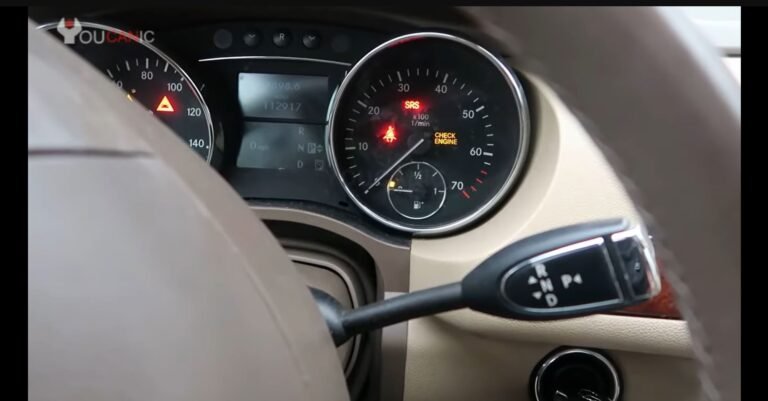
Most modern vehicles have a dedicated battery-shaped icon on the dashboard. While this light can sometimes indicate an alternator problem, it frequently illuminates when the battery voltage drops below a specific threshold (usually $10.5\text{V}$ during cranking). Never ignore this light; it is your car’s onboard computer telling you that the electrical system is operating on “borrowed time.”
Frequent Jump-Starts
If you have had to jump-start your car more than once in a single month, your battery is no longer reliable. A healthy battery should hold a charge for weeks; if it goes flat overnight or after sitting for just a day, the internal lead plates are likely “sulfated,” meaning they can no longer store electricity chemically. At this stage, replacement is the only safe solution.
To help you avoid being stranded by a “quiet” failure, it is essential to understand that a starting car doesn’t always equal a healthy car. Knowing the specific triggers for a 12V replacement and the nuances of modern installation can save you from both roadside emergencies and expensive electronic glitches.
8. Should I Replace My Car Battery If It Still Starts?
Why “Starts Fine” Can Be Misleading
A car that “starts fine” can be a deceptive sign of health. Batteries often maintain enough voltage to turn the engine over right up until the moment they fail completely. This is because modern alternators are excellent at masking a dying battery by providing the bulk of the electrical load once the car is running. You might be operating on just 10% of your battery’s actual capacity without realizing it, leaving you zero margin for error if you leave a light on or hit a cold snap.
Load Test vs. Real-World Performance
While your battery might show a healthy 12.6V on a basic voltmeter (resting voltage), it may fail a load test. A load test simulates the massive drain of the starter motor; a healthy battery should stay above 9.6V during this stress. If the voltage plunges during the test, the internal lead plates are too degraded to be reliable, even if the car managed to start that morning.
When Preventive Replacement Is Smarter
Preventive replacement is the best strategy if your battery is over 4 years old or if you notice “ghost” symptoms like flickering interior lights or erratic power window speed. It is much cheaper and less stressful to replace a battery on your own schedule than to pay for an emergency tow and a premium-priced battery at a shop when you’re already late for work.
9. When to Replace a 12V Car Battery
Standard 12V Battery Lifespan
The typical lifespan for a standard 12V battery is 3 to 5 years. Beyond year three, the chemical layers (sulfation) on the internal plates become thick enough to hinder the flow of electricity. If you live in a high-heat environment, you should tighten this window to 2 to 3 years, as heat significantly accelerates this chemical aging.
Signs of Declining Voltage
You should consider the battery “on its last legs” if the resting voltage (engine off) consistently drops to 12.2V or lower.
-
12.6V – 12.8V: 100% Healthy
-
12.4V: 75% Charge (Monitor)
-
12.2V: 50% Charge (Replace soon)
-
12.0V or less: 25% Charge (Imminent failure)
Testing Recommendations
Don’t wait for a breakdown to test. Professional mechanics recommend a battery health check at every oil change once the battery is two years old. Most auto parts stores provide this service for free using a handheld diagnostic tool that measures both voltage and Cold Cranking Amps (CCA).
10. When Replacing a Car Battery: What Drivers Should Know
Proper Battery Sizing
When you are replacing a car battery, the “Group Size” is critical. This code (e.g., Group 35, H6, or 24F) determines the physical dimensions and terminal orientation. A battery that is the wrong size won’t fit the security bracket, and excessive vibration from a loose battery will destroy it in months. Always match or exceed the CCA rating required by your vehicle’s manufacturer.
Resetting Electronics and Memory
Modern cars are “rolling computers.” When you disconnect the old battery, you risk losing your radio presets, clock settings, and even the ECU’s learned idle patterns. For newer luxury vehicles, you may even need to “register” the new battery with the car’s computer using a scan tool so the alternator knows to adjust its charging rate for a fresh battery.
Pro Tip: Use a “Memory Saver” (a small device that plugs into your OBDII port) to provide a tiny amount of backup power while the battery is disconnected.
Safe Installation Tips
Safety is paramount when handling lead-acid batteries.
-
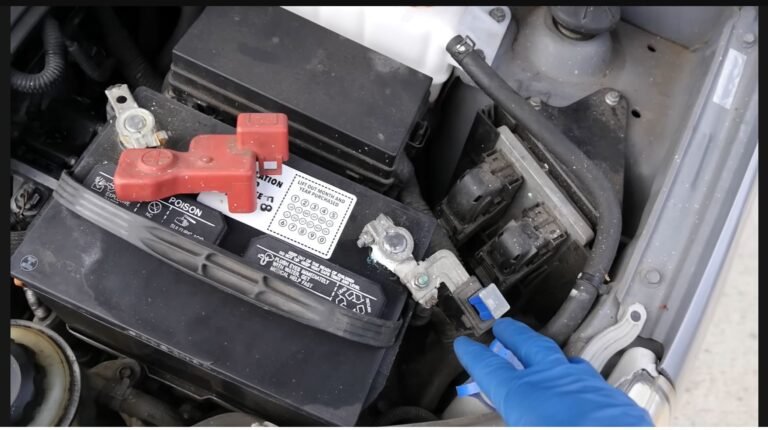
Order Matters: Always remove the Negative (Black/–) cable first and the Positive (Red/+) cable second. When installing the new one, do the reverse: Positive first, then Negative.
-
Avoid Shorts: Never let your wrench touch both terminals at once, or touch the positive terminal and any metal part of the car body simultaneously.
-
Cleaning: Use a wire brush and a mixture of baking soda and water to clean the terminal connectors before attaching them to the new battery to ensure a perfect electrical connection.
Maintaining a car battery is a game of statistics and chemical monitoring. To avoid the frustration of a car that won’t start, you need to know when to move from simple observation to active testing and, eventually, replacement.
11. How Often Should You Test Your Car Battery?
Annual Testing After Year Three
Most experts recommend that you begin annual testing once your battery hits its third birthday. While a battery is relatively reliable in its first 24 months, the chemical degradation (sulfation) accelerates after year three. A quick yearly check can identify a battery that has plenty of voltage but lacks the “Cold Cranking Amps” (CCA) needed for reliable performance.
Before Long Trips
Nothing ruins a vacation faster than a dead battery at a rest stop. If you are planning a road trip of more than 200 miles, a battery test is a high-value, low-cost preventative measure. The heat from sustained highway driving can push a marginal battery over the edge, especially if you’ll be using accessories like GPS, dash cams, or portable coolers.
Seasonal Testing Recommendations
The best time to test is during the “shoulder seasons”—specifically in the fall. Cold weather increases the mechanical strain on your battery while simultaneously reducing its chemical output. Testing in October or November ensures you won’t be surprised by the first frost. If you live in a desert climate, a pre-summer test (May) is equally vital to check for fluid evaporation caused by extreme heat.
12. How Much Does Car Battery Replacement Cost?
Average Battery Prices
In 2026, the cost of a new car battery typically ranges from $100 to $250 for most standard vehicles.
-
Lead-Acid Batteries: $100–$180
-
AGM (Absorbent Glass Mat) Batteries: $200–$350 (required for cars with “Auto Start-Stop” technology)
-
Lithium-Ion Auxiliary Batteries: $300+ (found in some high-performance or hybrid models)
Labor vs. DIY Replacement
If you choose a DIY replacement, you only pay for the part and a small “core charge” (usually $15–$20) which is refunded when you recycle your old battery. Professional installation typically adds $50 to $150 to the bill. While DIY is cheaper, professional replacement often includes a system reset/registration, which is mandatory for many modern European and luxury vehicles to prevent charging errors.
Cost vs. Risk Comparison
Spending $150 on a battery today is significantly cheaper than the alternative. An emergency tow can cost $75–$200, and a “last-minute” battery at a service station often comes with a 30% markup. Furthermore, a failing battery forces your alternator to work at 100% capacity, which can lead to a $600+ alternator failure.
13. Frequently Asked Questions (Bing SERP & AI Boost)
When should a car battery be replaced?
A battery should be replaced if it is over 5 years old, fails a professional load test, or shows physical signs of distress like a swollen case or leaking acid. If you have had to jump-start the car twice in one month, the battery is no longer reliable and should be swapped immediately.
How long does a car battery really last?
On average, a car battery lasts 3 to 5 years. However, this varies wildly by climate: in hot southern regions, life expectancy may be as low as 2.5 years, whereas in cooler northern regions, a high-quality battery can sometimes reach 6 or 7 years.
Is replacing a battery early a waste of money?
Not necessarily. Replacing a battery at the 4-year mark is “preventative maintenance.” While you might “lose” a few months of life, you gain the “peace of mind” that you won’t be stranded. It’s a calculated investment in reliability.
Can a bad battery damage the alternator?
Yes. A battery with a dead cell or one that cannot hold a charge acts as a constant “drain” on the electrical system. The alternator will try to charge it indefinitely, leading to overheated internal diodes and eventual alternator burnout.
14. Final Verdict: How Often to Replace a Car Battery
Quick Replacement Timeline Summary
-
Years 1–2: Maintenance-free; just keep terminals clean.
-
Year 3: Start annual professional testing.
-
Year 4: Critical checkpoint; consider proactive replacement if you live in extreme climates.
-
Year 5+: Statistical “end of life”; replacement is highly recommended to avoid failure.
Why Testing + Age Together Matter
Age tells you the battery’s history, but a load test tells you its future. A 2-year-old battery that has been drained multiple times may be in worse shape than a 4-year-old battery that has been perfectly maintained. Always use both metrics to make your final decision.
Final Recommendation for Drivers
Don’t wait for the “click-click-click” of a dead starter. Follow the 4-year rule: if your battery is 48 months old, have it tested. If the health is below 70%, replace it. This simple habit turns a potential roadside disaster into a quick, scheduled 15-minute maintenance task.

- Find the Right Engine Oil for Your Car: A Quick Guide - March 1, 2026
- Car Battery Booster Basics: Start Your Vehicle in Minutes - March 1, 2026
- How Long Does It Take To Charge A Motorcycle Battery Charging Time Guide - February 28, 2026