
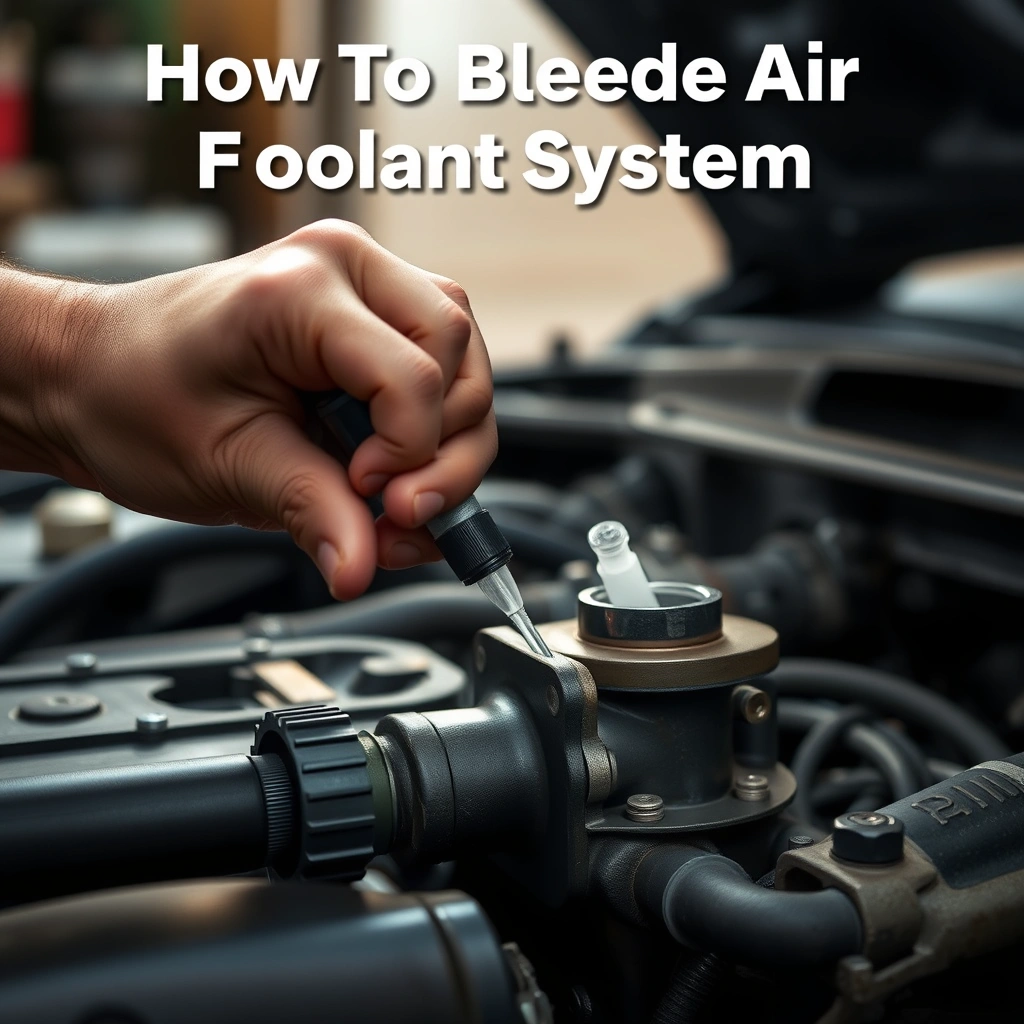
How To Bleed Air From Coolant System Step-by-step Diy Guide
Bleeding air from your car’s coolant system might sound daunting, but it’s a task many DIY enthusiasts can tackle with a bit of guidance. Ensuring your coolant system is free of trapped air is key to keeping your engine running smoothly.
To bleed air from a coolant system, start with a cold engine, open the radiator cap, and slowly fill with coolant while the engine runs, allowing trapped air to escape. Monitor the temperature gauge and coolant level, adding more as needed.
Introduction to Coolant System Bleeding
Importance of Removing Air
Bleeding air from the coolant system is an essential maintenance task for any vehicle. When air pockets are trapped within the cooling system, they can disrupt the circulation of coolant, leading to overheating. This happens because air, unlike coolant, cannot effectively transfer heat away from the engine. By removing these air pockets, you ensure that the coolant flows smoothly, maintaining the engine at its optimal temperature.
Symptoms of Air in Coolant System
Recognizing the signs of air in your vehicle’s coolant system can prevent potential damage. Common symptoms include:
- Overheating: The engine temperature gauge may indicate higher temperatures due to inefficient heat transfer.
- Fluctuating Temperature Gauge: An inconsistent reading on the temperature gauge often suggests the presence of air pockets.
- Noisy Coolant System: Gargling or bubbling sounds coming from the radiator or coolant lines can indicate trapped air.
- Poor Heater Output: If the cabin heater is not providing sufficient warmth, there may be air obstructing the coolant flow to the heater core.
Addressing these symptoms promptly by bleeding the system helps maintain engine performance and prevents long-term damage.
Necessary Tools and Materials
Bleeding air from a coolant system requires certain tools and materials to ensure a smooth and safe process. Here’s what you’ll need:
Basic Tools Required
- Socket and Wrench Set: You’ll need this to remove any bolts or nuts securing the coolant reservoir or radiator cap.
- Screwdriver: A flathead or Phillips screwdriver may be necessary to loosen hose clamps or open bleeder valves.
- Coolant Funnel: A funnel helps in pouring the coolant back into the system without spillage.
- Drain Pan: Place this under the vehicle to catch any coolant that might spill during the bleeding process.
- Safety Gloves and Goggles: Protects your skin and eyes from coming into contact with hot coolant or steam.
Optional Tools for Efficiency
- Vacuum Coolant Refiller: This tool helps in drawing out air from the system before filling it with coolant again, making the bleeding process quicker and more efficient.
- Infrared Thermometer: Useful for checking the temperature of the coolant to ensure the engine is cool enough to work on safely.
- Pressure Test Kit: Can help identify leaks in the system that might be letting air in.
Having these tools ready will make the task of bleeding air from the coolant system more manageable and help prevent potential issues that could arise from trapped air.
Preparation Steps

Safety Precautions
Before starting, ensure your workspace is well-ventilated and free from distractions. Safety should be your top priority, so gather the necessary gear:
- Safety Glasses: Protect your eyes from any splashes of coolant.
- Gloves: Use chemical-resistant gloves to safeguard your skin.
- Protective Clothing: Wear long sleeves to prevent skin contact with chemicals.
Additionally, ensure the vehicle is parked on a flat surface, and the engine is cool before you begin to avoid burns or other injuries.
Locating Coolant System Components
Knowing the layout of your vehicle’s engine bay is essential for this task. Here’s what to look for:
- Radiator: Typically located at the front of the engine bay, the radiator is easily identifiable by its large metal fins.
- Radiator Cap: Found on top of the radiator, this should only be opened when the engine is cold.
- Thermostat Housing: Usually connected to the upper radiator hose, this component regulates the flow of coolant.
- Overflow Tank: A plastic container near the radiator that holds excess coolant.
- Bleeder Valve: Not present on all vehicles, but if available, this valve is typically located near the thermostat housing or on the radiator.
Familiarizing yourself with these components will streamline the air bleeding process and help avoid mistakes.
Bleeding Methods Overview
Traditional Bleeding Method
Bleeding air from the coolant system using the traditional method involves opening a bleeder valve or screw typically found on the engine block or radiator. This technique relies on gravity to remove trapped air. Here’s a quick guide:
- Ensure the engine is cool to avoid burns.
- Locate and loosen the bleeder valve.
- Fill the radiator with coolant until a steady stream flows from the valve, indicating air is expelled.
- Tighten the valve and check coolant levels.
This method is straightforward and doesn’t require special tools, but it might not be as effective on modern vehicles with complex cooling systems.
Vacuum Method
The vacuum method uses a specialized tool to evacuate air from the coolant system by creating a vacuum, reducing the risk of trapped air pockets. Follow these steps:
- Attach the vacuum tool to the radiator or expansion tank.
- Create a vacuum in the system until the gauge indicates the desired level.
- Fill the system with coolant, allowing atmospheric pressure to push it in.
This method is efficient for vehicles with intricate cooling systems, ensuring a thorough bleed.
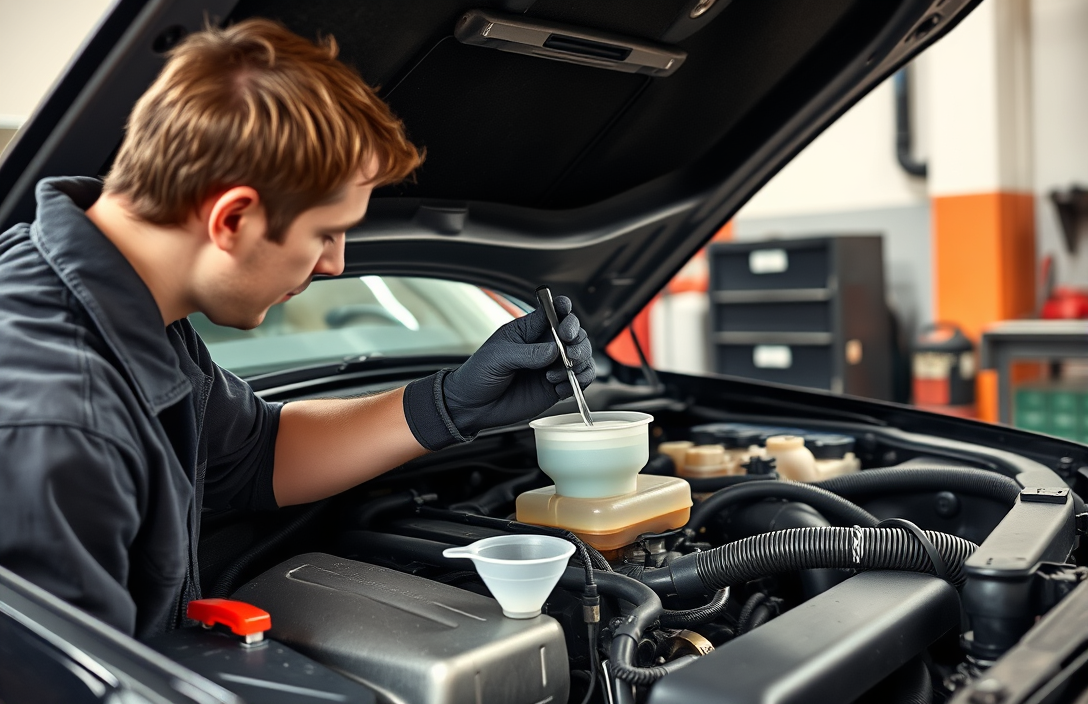
Using a Spill-Free Funnel
A spill-free funnel can simplify the bleeding process by allowing coolant to be added without spills while providing a high point for air to escape:
- Attach the funnel to the radiator neck or expansion tank.
- Fill the funnel with coolant and run the engine at idle.
- Monitor for air bubbles escaping through the funnel.
- Once bubbling stops, remove the funnel and secure the cap.
This method is user-friendly and prevents mess, making it suitable for those who prefer a cleaner procedure.
Step-by-Step Bleeding Process
Traditional Method Steps
Bleeding air from your coolant system using the traditional method involves a few straightforward steps. Follow these to ensure your engine runs smoothly:
- Turn off the engine: Ensure the engine is cool before starting. Never attempt this process on a hot engine to avoid burns.
- Locate the radiator cap: Open the hood and find the radiator cap. Place a container under the radiator to catch any spills.
- Fill the radiator: Slowly fill the radiator with coolant until it reaches the top.
- Start the engine: Run the engine at idle with the heater set to the highest setting. This helps circulate the coolant and expel trapped air.
- Watch the coolant level: As the engine runs, monitor the coolant level. Add more coolant if it drops.
- Check for bubbles: Look for air bubbles escaping from the open radiator neck. Bubbles indicate air is being released.
- Seal the system: Once bubbles stop appearing, replace the radiator cap securely and turn off the engine.
Vacuum Method Steps
The vacuum method is more efficient and ideal for modern vehicles equipped with a vacuum tool:
- Prepare the vacuum tool: Connect the vacuum tool to the radiator neck as per the manufacturer’s instructions.
- Create a vacuum: Use the tool to draw a vacuum in the coolant system. This will pull air out of the system.
- Refill coolant: Once the vacuum is achieved, use the tool to draw coolant back into the system. This ensures no air pockets are left.
- Check for leaks: Inspect the system for any leaks after refilling. Address any leaks immediately.
Tip: Always wear protective gloves and glasses during these procedures for safety.
Post-Bleeding Checks
Checking Coolant Levels
Once you’ve completed the bleeding process, it’s necessary to ensure the coolant level is correct. Check the coolant reservoir and the radiator, if accessible, when the engine is cool to avoid burns. Low levels may indicate an incomplete bleeding process or a leak. Top up if needed, using the correct coolant mixture.
Testing for Air Pockets
Start the engine and let it run until it reaches operating temperature. Monitor the temperature gauge on the dashboard; it should remain stable and not show signs of overheating. Turn on the heater to its maximum setting. If you feel inconsistent heat, this might suggest remaining air pockets.
- Listen for any unusual noises, such as gurgling, which can indicate trapped air.
- Observe the coolant flow through the radiator cap if possible; a steady flow suggests that air has been removed.
Tip: If you suspect air pockets, repeat the bleeding procedure to ensure all air is removed.
After these checks, inspect for any leaks around the radiator, hoses, and engine block to rule out potential issues. If everything appears in order, take your vehicle for a short drive and monitor the temperature gauge. A steady reading signifies a successful bleed.
Troubleshooting Common Issues
Persistent Air Pockets
If you find that air pockets persist even after bleeding, try gently massaging the radiator hoses with the engine off. This can help dislodge trapped air. Another method is to repeat the bleeding process with the vehicle parked on an incline, which can encourage air to rise to the highest point in the system and escape.
Unexpected Overheating
Should your vehicle begin to overheat unexpectedly after bleeding, check for any coolant leaks or blockages in the system. Inspect the radiator cap to ensure it’s sealing properly. A faulty thermostat can also be the culprit – consider testing or replacing it if overheating continues.
Tip: Always allow the engine to cool completely before opening the radiator cap to avoid burns from hot coolant.
Lastly, verify that the coolant level is correct. Low coolant can lead to overheating and may allow air to re-enter the system. Keep an eye on the temperature gauge and ensure that all connections are secure while the vehicle is running.
Maintenance Tips for Coolant System
Bleeding air from your coolant system is a straightforward process that can prevent overheating and ensure efficient cooling. Air pockets in the system can lead to engine problems by causing hot spots and reducing the coolant’s effectiveness. Here’s how you can purge air from your coolant system:
Regular Coolant Checks
Before starting, ensure the engine is cool to avoid burns from hot coolant. Check the coolant level in the radiator and the reservoir. If it’s low, you may need to add more after bleeding the system.
Bleeding the System
- Locate the Bleed Valve: Many cars have a bleed valve located near the thermostat or on the radiator. Check your vehicle’s manual for the exact location.
- Open the Valve: With the engine cool, open the bleed valve slightly.
- Start the Engine: With the heater set to maximum, start the engine. This helps circulate the coolant and expel air.
- Monitor the Coolant Flow: Watch for a steady stream of coolant from the valve. Initially, you may see bubbles, indicating air is being expelled. Once the bubbles stop, air has been purged.
- Close the Valve: Once only coolant flows out, close the bleed valve securely.
Inspecting for Leaks
After bleeding the system, inspect for any leaks. Look around the radiator, hoses, and connections. Leaks can reintroduce air into the system and should be repaired promptly.
Tip: Always check for leaks and coolant levels after a few drives to ensure the system remains air-free.
Quick Summary
- Start with the engine cold to avoid burns and ensure safety during the process.
- Locate the radiator cap and slowly remove it to release any excess pressure.
- Find the bleed screws, usually located on the thermostat housing or near the radiator’s highest point.
- Fill the radiator with coolant until it reaches the top, then close the cap partially to allow air to escape.
- Run the engine at idle with the heater on maximum to help circulate the coolant and push air out.
- Watch for bubbling in the coolant, which indicates air is being expelled. Add more coolant as necessary to maintain the level.
- Once the bubbling stops and the engine reaches its normal operating temperature, fully close the radiator cap and ensure the bleed screws are tightened.
Frequently Asked Questions
Why is it necessary to bleed air from the coolant system?
Air trapped in the coolant system can lead to overheating because it prevents the coolant from circulating efficiently. Bleeding the air ensures optimal engine temperature and prevents damage.
What tools do I need to bleed the air from the coolant system?
You typically need a wrench or screwdriver to open the bleed valve and a container to catch any spilling coolant. Some systems may require a funnel to help refill the coolant.
How do I know if there is air in the coolant system?
Signs of air in the system include fluctuating temperature gauge readings, heater not working properly, and the engine overheating. You might also hear gurgling sounds from the radiator.
Can I drive my car if there’s air in the coolant system?
It’s not advisable to drive a car with air in the coolant system, as it can cause the engine to overheat and lead to severe damage. It’s best to address the issue promptly.
How often should I bleed the coolant system?
Bleeding the coolant system is usually necessary after replacing the coolant or performing major repairs involving the cooling system. Check your vehicle’s manual for specific maintenance intervals.

- Find the Right Engine Oil for Your Car: A Quick Guide - March 1, 2026
- Car Battery Booster Basics: Start Your Vehicle in Minutes - March 1, 2026
- How Long Does It Take To Charge A Motorcycle Battery Charging Time Guide - February 28, 2026