

How To Burp A Radiator For Smooth Engine Performance
Burping a radiator might sound like an unusual task, but it’s a necessary step for keeping your vehicle’s cooling system running smoothly. This simple yet effective process ensures that your engine doesn’t overheat and your car performs at its best.
To burp a radiator, start by heating the engine, then slowly open the radiator cap to allow trapped air to escape. Finally, refill coolant if needed to maintain optimal levels and ensure efficient engine performance.
Understanding the Cooling System

How the Radiator Works
The radiator plays a central role in your car’s cooling system by dissipating heat away from the engine. Coolant circulates through the engine and absorbs heat, then travels to the radiator where it is cooled by air flowing through the radiator fins. This cooled coolant is then recirculated back to the engine, maintaining an optimal operating temperature.
Importance of Air Removal
Air pockets trapped in the cooling system can cause uneven cooling, leading to engine overheating. Burping the radiator helps remove these air bubbles, ensuring that coolant flows freely and efficiently throughout the system.
Steps to Burp a Radiator:
- Start with a cold engine to avoid burns.
- Open the radiator cap carefully.
- Start the engine and let it idle. Turn the heater to the maximum to help move the coolant through the system.
- Watch for bubbles in the radiator opening as the engine warms up. This indicates air is being expelled.
- Once bubbles stop appearing, top off the radiator with coolant if necessary.
- Replace the radiator cap securely.
Tip: Use a funnel to avoid spills while adding coolant.
Tools and Materials Required
Essential Tools
To successfully burp your radiator, you will need the following essential tools:
- Wrench or Socket Set: Used to remove the radiator cap and, if necessary, the drain plug.
- Funnel: Helps to refill the radiator with coolant without spilling.
- Screwdriver: Useful for adjusting hose clamps or removing any panels obstructing access to the radiator.
Optional Accessories
While not strictly necessary, these accessories can make the process easier and more efficient:
- Coolant Catch Pan: Catches any coolant that may spill during the process, keeping your workspace clean.
- Gloves: Protect your hands from hot surfaces and coolant.
- Thermometer: Helps to monitor the engine’s temperature to ensure it’s safe to open the radiator cap.
- Bleeder Kit: Assists in removing air pockets from the cooling system more effectively, especially for vehicles with complex systems.
Tip: Always ensure your vehicle is on a level surface and the engine is cool before starting. This prevents burns and ensures accurate coolant levels.
Preparing Your Vehicle
Safety Precautions
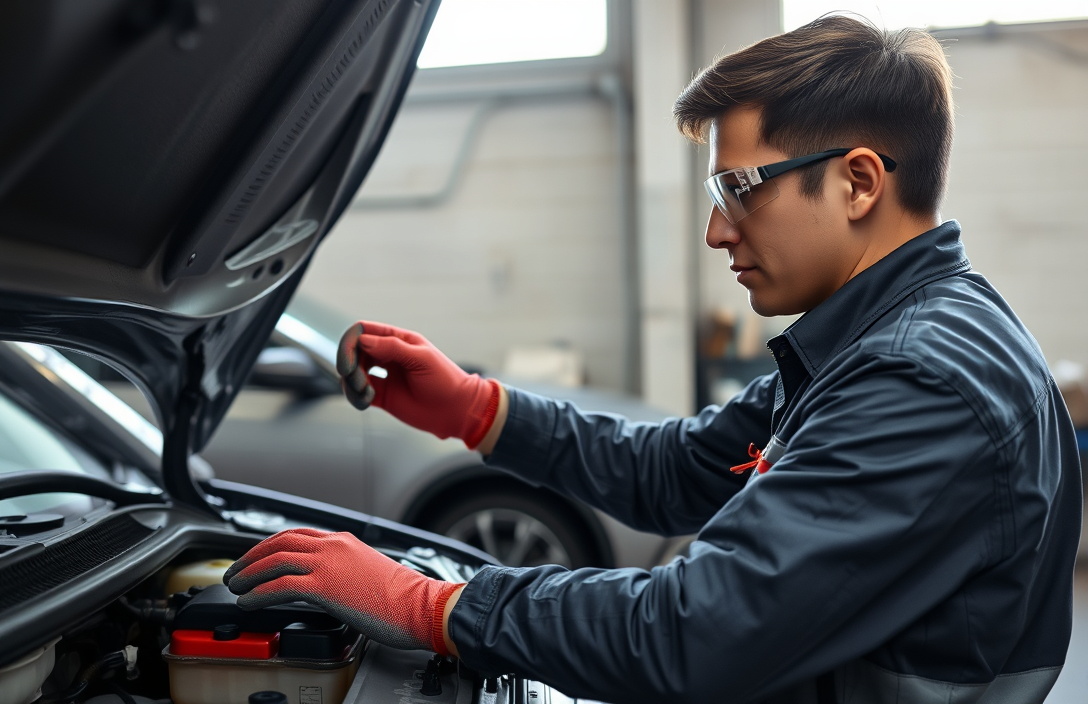
Before starting the process of burping your radiator, it’s essential to ensure your safety. Always work in a well-ventilated area to avoid inhaling any harmful fumes. Make sure the vehicle is parked on a level surface, and the engine is completely cool to prevent burns. It’s a good idea to wear protective gloves and safety goggles to protect your hands and eyes from hot coolant.
Initial Checks
Start by checking the coolant level in the radiator. Ensure it is filled to the proper level as indicated by your vehicle’s manual. Inspect the radiator cap for any signs of damage or wear, as a faulty cap can prevent the system from functioning correctly. If necessary, replace it with a new one.
Next, verify that all hose connections are tight and free from leaks. Look for any cracks or wear on the hoses, which might lead to coolant loss. Additionally, check for any visible signs of air bubbles in the coolant system, as they can indicate trapped air that needs to be released.
Tip: Keep a container or cloth nearby to catch any overflow of coolant during the burping process.
By taking these precautions and conducting these checks, you set a solid foundation for successfully burping your radiator and ensuring your vehicle remains in good working condition.
Step-by-Step Guide to Burping the Radiator
Locating the Radiator Cap
Start by ensuring your vehicle is parked on a level surface and the engine is completely cool. This prevents any potential burns from hot coolant. Open the hood and locate the radiator cap. It is usually found at the top or near the front of the radiator. If your vehicle has a separate overflow tank, make sure to identify that as well.
Running the Engine
With the radiator cap removed, start your vehicle and let it idle. This process allows air bubbles to escape as the coolant circulates. Keep an eye on the temperature gauge to ensure the engine doesn’t overheat. If the temperature starts to rise too high, turn off the engine immediately and let it cool before proceeding.
Monitoring Coolant Levels
As the engine runs, monitor the coolant level in the radiator. You may notice the level dropping as air is expelled. Gradually add more coolant to maintain a full level. Continue this process until you notice consistent coolant flow without air bubbles. Once satisfied, replace the radiator cap securely.
Tip: Always have a clean cloth or glove handy to safely handle the radiator cap, especially if it’s hot.
Signs of Successful Air Removal

Symptoms of Air Pockets
After attempting to burp a radiator, it’s essential to identify if any air pockets remain in the system. Look for these common symptoms:
- Gurgling Noises: If you hear gurgling or bubbling sounds from the radiator or heater core, air pockets might still be present.
- Fluctuating Temperature Gauge: A temperature gauge that moves erratically can indicate trapped air affecting coolant flow.
- Inconsistent Heat Output: If the heater produces intermittent heat, it might be due to air in the system preventing proper circulation.
Indicators of Proper Functioning
Once the air is successfully removed, you should notice improvements in vehicle performance and system stability. Here are clear indicators that your radiator is functioning correctly:
- Stable Temperature Gauge: The temperature gauge should remain steady, indicating consistent coolant flow and no blockages.
- Smooth Engine Operation: The engine should run smoothly without overheating, signaling that the coolant is circulating properly.
- Consistent Heat from Heater: The cabin heater should provide a steady output of warm air, as air pockets no longer impede flow.
To ensure success, consider running the engine for a short period while monitoring the temperature gauge and heater performance. If issues persist, a second round of burping might be necessary. Always ensure the radiator cap is securely in place to maintain system pressure.
Common Mistakes to Avoid
Overfilling Coolant
When burping a radiator, one common mistake is overfilling the coolant. This can lead to excessive pressure in the cooling system and potential leaks or damage. To prevent this, follow these steps:
- Check the level: Always start by ensuring the coolant level is at the ‘Max’ line in the reservoir, not above it.
- Add gradually: As you add coolant, do so slowly and monitor the level closely.
- Allow for expansion: Remember that coolant will expand as it heats, so leave some space for this in the reservoir.
Ignoring Engine Temperature
Another mistake is not paying attention to the engine temperature during the burping process. Ignoring this can result in overheating or other issues. Here are some tips to avoid this:
- Monitor the gauge: Keep an eye on the temperature gauge on your dashboard. If it starts to climb too high, stop the process and let the engine cool down.
- Work in stages: Allow the engine to run for a few minutes, then turn it off to cool before continuing. This helps prevent overheating.
- Use a thermometer: A non-contact thermometer can help you keep track of the engine’s temperature more accurately, ensuring it stays within safe limits.
Tip: Always work with a cool engine to start, and never open the radiator cap while the engine is hot.
Maintenance Tips for Radiator Health
To ensure your radiator functions smoothly, it’s important to remove trapped air, a process often referred to as ‘burping’ the radiator. This helps prevent overheating and maintains efficient coolant flow.
Steps to Burp a Radiator
Follow these steps to expel air pockets from your radiator:
- Cool Engine: Always start with a cool engine to avoid burns or injuries.
- Turn on the Heater: Set your car’s heater to the maximum setting. This opens up the heater core, allowing coolant to flow through and release trapped air.
- Remove the Radiator Cap: With the engine off, carefully remove the radiator cap. This relieves pressure and allows air to escape as you proceed.
- Start the Engine: Turn on the engine and let it idle. Monitor the radiator opening carefully. You may see air bubbles rising to the surface.
- Add Coolant if Necessary: As air escapes, you might notice the coolant level dropping. Add more coolant to maintain the proper level.
- Replace the Radiator Cap: Once the bubbling stops and the coolant level stabilizes, turn off the engine and securely replace the radiator cap.
Regular Inspections
Check your radiator regularly for signs of leaks or corrosion. A well-maintained radiator prevents air buildup and extends the life of your vehicle’s cooling system.
Coolant Quality
Using the right coolant mix is essential. Always use the type recommended in your vehicle’s manual. Poor quality or incorrect coolant can lead to blockages and air pockets.
Tip: Consider using a coolant funnel kit to minimize spills and ensure easier burping.
When to Seek Professional Help
Signs of Persistent Issues
While burping a radiator can often resolve trapped air problems, there are instances where a professional’s expertise is needed. Here are some signs that it’s time to seek help:
- Overheating Continues: If your vehicle keeps overheating despite multiple attempts to burp the radiator, there may be a more serious issue at play.
- Coolant Leaks: Persistent leaks could indicate a faulty radiator or other cooling system components that require professional inspection.
- Unusual Noises: Grinding or knocking sounds might suggest deeper mechanical problems that need expert analysis.
- Check Engine Light: If the light remains on or frequently appears, it’s wise to have a professional diagnose the underlying cause.
Choosing a Reliable Technician
When it’s time to call in a professional, finding the right technician is crucial for effective repairs. Here are some tips to guide your choice:
- Ask for Recommendations: Friends and family can be valuable resources for finding trustworthy mechanics.
- Check Certifications: Look for technicians with certifications from reputable organizations like the National Institute for Automotive Service Excellence (ASE).
- Read Reviews: Online reviews can provide insights into the experiences of other customers and help you gauge the quality of service.
- Request Estimates: Before agreeing to any service, obtain a written estimate to avoid unexpected costs.
Quick Summary
- Start by ensuring the engine is cool to avoid burns and injuries.
- Locate the radiator cap and slowly remove it to release any residual pressure.
- Fill the radiator with coolant until the level is just below the filler neck.
- Turn on the engine and allow it to idle, which helps circulate the coolant and expel trapped air.
- Keep the heater on high to help the coolant flow through the entire system.
- Observe the coolant level; as bubbles are expelled, the level may drop and need topping up.
- Once bubbling stops and the coolant level stabilizes, replace the radiator cap securely.
Frequently Asked Questions
Why is it necessary to burp a radiator?
Burping a radiator helps remove air pockets that can cause the engine to overheat. This ensures that the coolant circulates properly throughout the engine system.
What tools do I need to burp a radiator?
You’ll need a wrench or screwdriver (depending on your vehicle), a coolant funnel, and some additional coolant in case you need to top off the system.
How do I know if my radiator needs burping?
Signs that your radiator may need burping include fluctuating engine temperature, a lower coolant level without visible leaks, and unusual noises from the radiator.
Can I burp the radiator while the engine is hot?
No, it’s best to burp the radiator when the engine is cool to prevent burns and ensure safety. Always wait for the engine to cool down before opening the radiator cap.
What should I do if the engine continues to overheat after burping the radiator?
If the engine continues to overheat, there may be another issue such as a faulty thermostat or radiator cap. It’s advisable to consult with a professional mechanic to diagnose the problem.

- Find the Right Engine Oil for Your Car: A Quick Guide - March 1, 2026
- Car Battery Booster Basics: Start Your Vehicle in Minutes - March 1, 2026
- How Long Does It Take To Charge A Motorcycle Battery Charging Time Guide - February 28, 2026