
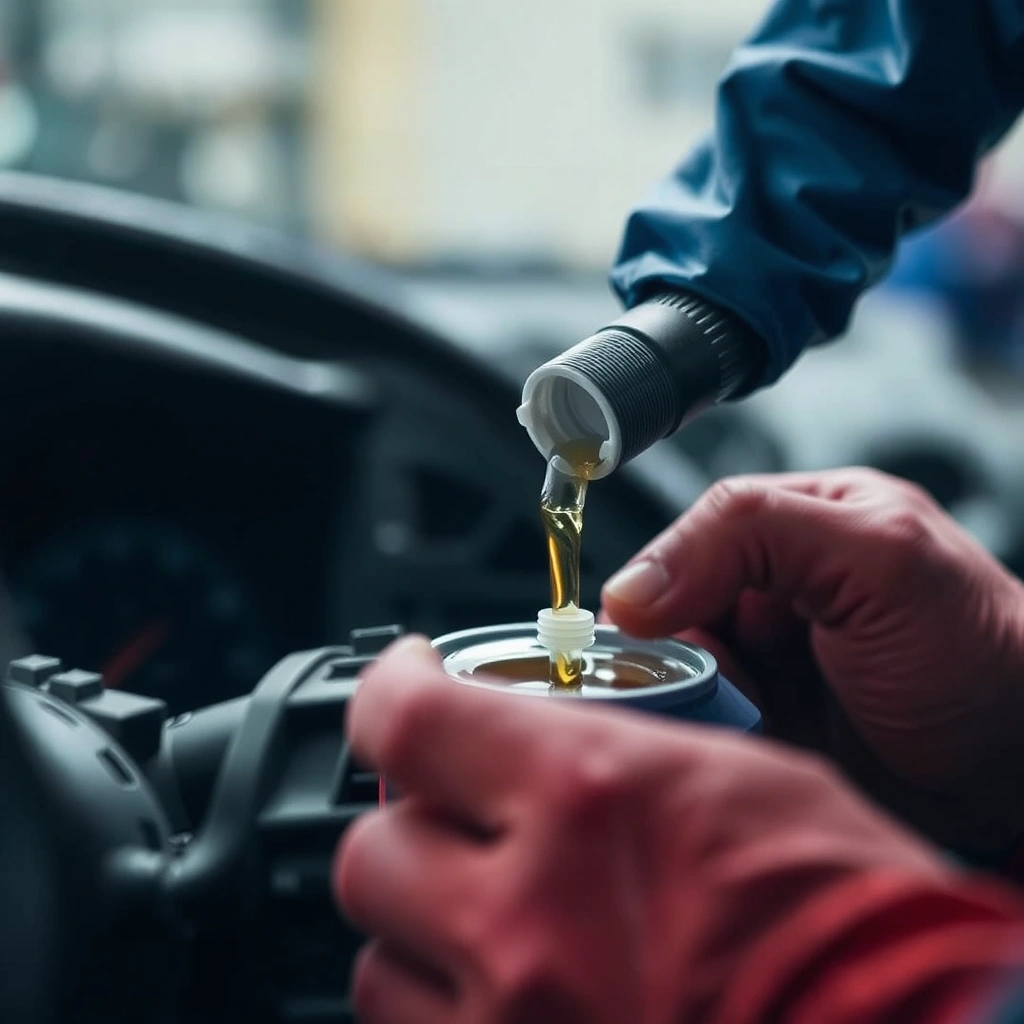
How To Check Transmission Fluid – Easy Diy Car Maintenance Guide
Checking your car’s transmission fluid might seem daunting, but it’s a straightforward task that can save you from major repairs down the road. With just a few steps, you can ensure your vehicle runs smoothly and avoid costly transmission issues.
To check transmission fluid: Run the engine, shift through all the gears, locate the dipstick, wipe it clean, insert it back, and check the fluid level and condition.
Understanding Transmission Fluid

Purpose of Transmission Fluid
Transmission fluid is a vital component that ensures your vehicle’s transmission system functions smoothly. It serves multiple purposes, including lubricating the moving parts within the transmission, cooling the system by dissipating heat, and helping to transmit power from the engine to the wheels. Without proper levels and clean fluid, your car might experience reduced performance, increased wear on transmission components, and in some cases, complete transmission failure.
Types of Transmission Fluid
There are several types of transmission fluids, each designed for specific transmission systems:
- Automatic Transmission Fluid (ATF): Used in vehicles with automatic transmissions. It provides the necessary lubrication, cooling, and power transmission while also aiding in gear shifts.
- Manual Transmission Fluid: Generally thicker than ATF, this type is used in manual transmissions to lubricate gears and bearings.
- Continuously Variable Transmission (CVT) Fluid: Specifically formulated for CVT systems, ensuring smooth operation and extended transmission life.
Using the correct type of transmission fluid is essential. Refer to your vehicle’s owner manual to identify the right fluid type for your car.
Tip: Regularly check your transmission fluid level and condition to prevent potential issues. Look out for changes in color or smell, as these can signal the need for a fluid change.
When to Check Transmission Fluid
Signs of Low Fluid
Recognizing the signs of low transmission fluid can prevent bigger issues down the road. If you notice these symptoms, it might be time to check your transmission fluid:
- Slipping Gears: If your car unexpectedly changes gears or struggles to stay in gear, low fluid might be the cause.
- Delayed Shifting: A noticeable delay when shifting from park to drive or reverse could indicate insufficient fluid levels.
- Unusual Noises: Grinding or whining sounds during gear shifts often point to low fluid levels.
- Overheating: Transmission overheating can result from insufficient fluid, leading to a burning smell or high temperature readings.
Recommended Check Intervals
Regular checks on your transmission fluid can extend the life of your transmission. Here’s when you should perform these checks:
- Every 30,000 to 60,000 Miles: For most vehicles, check the fluid at these mileage intervals as part of routine maintenance.
- Monthly: A quick monthly check can help you catch any issues early, especially if you drive in heavy traffic or tow regularly.
- New or Unusual Symptoms: Any new noises, delays in shifting, or visible leaks should prompt an immediate fluid check.
- After Long Trips: Inspecting the fluid after long drives can ensure it’s not degraded from extended use.
These regular checks will help maintain your vehicle’s performance and prevent costly repairs. Always refer to your vehicle’s manual for specific recommendations.
Preparing to Check Transmission Fluid
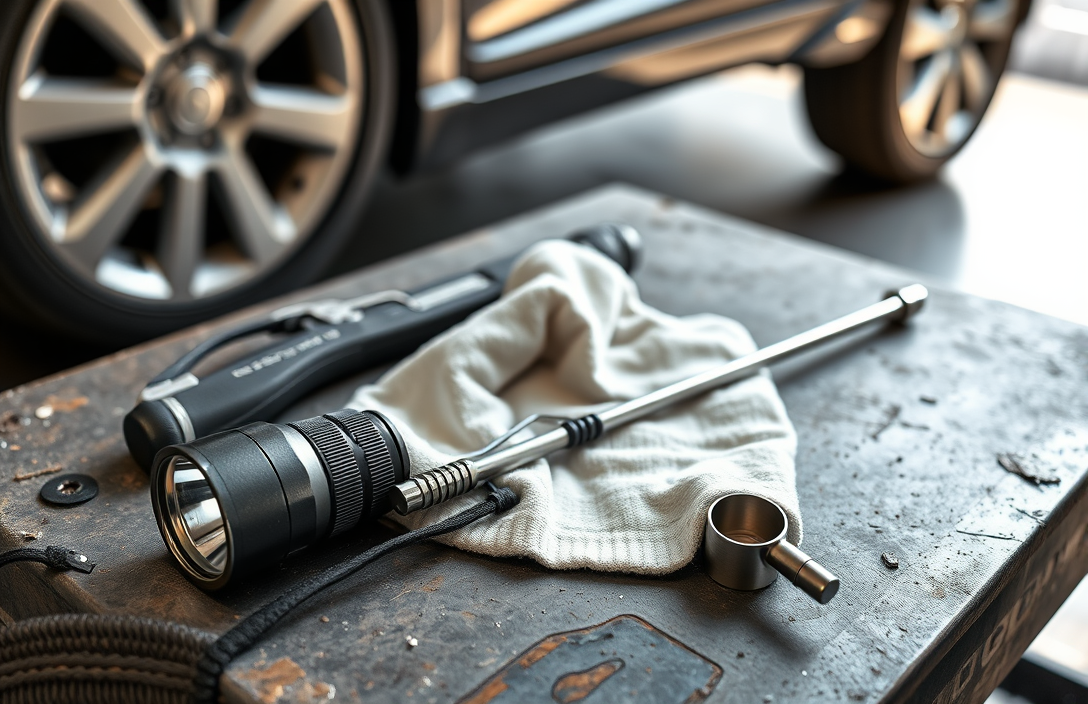
Gather Necessary Tools
Before you check your transmission fluid, ensure you have all the tools you need. A short list includes:
- Clean rag or paper towels: Used to wipe the dipstick and your hands.
- Flashlight: Helpful for illuminating the engine bay, especially in low-light conditions.
- Transmission fluid: Have some on hand in case you need to top off.
Safety Precautions
Safety is paramount when working on your vehicle. Follow these guidelines to ensure a safe and effective process:
- Park on a level surface: This ensures an accurate fluid level reading.
- Engage the parking brake: Prevents the vehicle from moving while you work.
- Warm up the engine: Start the car and let it idle for a few minutes. This helps the fluid reach its normal operating temperature, providing a more accurate reading.
- Turn off the engine: Before checking the fluid, turn off the car to avoid any accidents.
- Wear gloves: Protect your hands from hot surfaces and potential spills.
Tip: Always check your vehicle’s manual for specific instructions on checking transmission fluid, as procedures can vary between models.
Locating the Transmission Dipstick
Consulting the Owner’s Manual
To locate the transmission dipstick in your vehicle, it’s best to start by consulting your owner’s manual. This document provides specific information tailored to your car model, including the exact location and appearance of the dipstick. Not all vehicles have the dipstick in the same spot, and the manual will guide you to its precise location.
Typical Locations in Different Vehicles
In many vehicles, the transmission dipstick is found under the hood, but its position can vary based on the type of vehicle you own:
- Front-wheel-drive cars: The dipstick is often located near the front of the engine bay, usually to the right of the engine.
- Rear-wheel-drive cars: Typically, the dipstick sits toward the back of the engine, near the firewall.
- SUVs and Trucks: Larger vehicles may have the dipstick positioned further back and slightly lower, making it a bit harder to spot. Look carefully and use a flashlight if needed.
Tip: If you don’t see the dipstick in the expected area, check for a brightly colored handle, usually red or yellow, which makes it easier to identify.
Remember that some modern vehicles come with sealed transmissions and do not have a dipstick. If you can’t find one after checking the manual and under the hood, your vehicle may require a professional to check the fluid.
Checking the Transmission Fluid Level
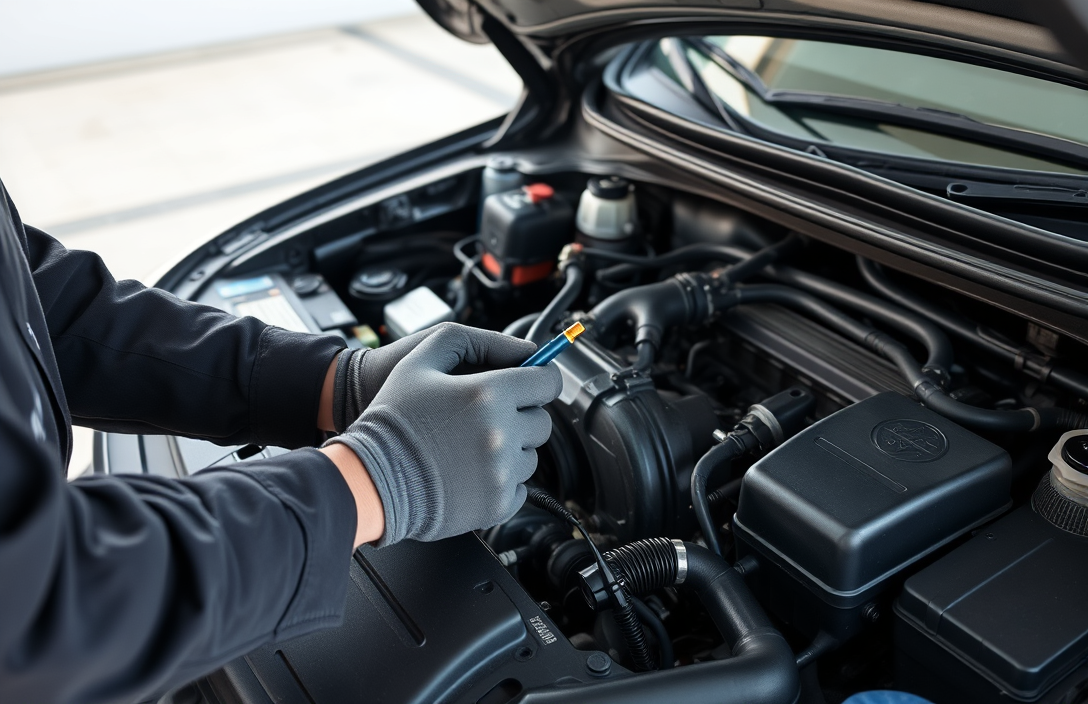
Proper Engine Conditions
Before checking the transmission fluid, ensure your car is parked on a level surface to get an accurate reading. Start the engine and let it idle until it reaches normal operating temperature. This ensures the transmission fluid is circulating properly. Keep the car running while you check the fluid level.
Reading the Dipstick
Locate the transmission fluid dipstick, which is typically near the engine bay’s rear. It might have a red or yellow handle. Pull the dipstick out carefully, and wipe it clean with a lint-free cloth to remove any old fluid.
Reinsert the dipstick fully, then pull it out again to check the fluid level. The dipstick will have markings indicating the proper fluid level range. Ensure the fluid level is between the ‘Full’ and ‘Add’ marks. If it’s below the ‘Add’ mark, the transmission fluid needs to be topped off.
Tip: Transmission fluid should be a clear red color. If it appears dark or has a burnt smell, consider scheduling a fluid change.
If you need to add fluid, use a funnel to avoid spills and add the recommended type of transmission fluid for your vehicle. Check your owner’s manual if you’re unsure about the correct fluid type.
Interpreting Transmission Fluid Condition
Normal Fluid Appearance
When checking the transmission fluid, ensure it appears healthy. Fresh transmission fluid should be transparent and slightly reddish in color. This indicates the fluid is in good condition and functioning as it should.
A mild sweet smell is also a sign of healthy fluid. You can use a white paper towel to check the fluid’s transparency and color by rubbing a small amount onto it. If the fluid is clear and red, it’s typically in good shape.
Signs of Contamination
Contaminated transmission fluid can lead to performance issues. Watch out for these signs:
- Dark Color: Fluid that appears brown or black suggests it’s old or burnt, requiring replacement.
- Cloudy or Murky: This indicates the presence of water or other contaminants, which can harm the transmission.
- Burnt Smell: A strong burnt odor is a clear sign the fluid has overheated and needs changing.
- Metal Shavings: Finding metal particles in the fluid points to internal wear and potentially serious transmission issues.
Regularly checking your transmission fluid and recognizing these signs can prevent major problems. If you detect any of these issues, consider consulting with an automotive professional to address the problem promptly.
Adding Transmission Fluid
Choosing the Right Fluid
Before adding transmission fluid, ensure you have the correct type for your vehicle. Refer to your vehicle’s owner manual or check the transmission dipstick or cap for specifications. Using the wrong fluid can damage the transmission.
Proper Filling Technique
Once you’ve confirmed the fluid type, follow these steps to add it correctly:
- Park and Prepare: Ensure the vehicle is on a level surface and the engine is off. Set the parking brake for safety.
- Locate the Dipstick: Open the hood and locate the transmission fluid dipstick. It’s usually marked and may be near the engine bay.
- Remove and Check: Pull out the dipstick, wipe it clean with a lint-free cloth, then reinsert and remove it again to check the current fluid level.
- Add Fluid: If the level is low, use a funnel to slowly add the specified transmission fluid through the dipstick tube. Pour gradually, checking the level frequently to avoid overfilling.
- Recheck Level: Once you’ve added some fluid, recheck the level with the dipstick. Ensure the level is within the recommended range.
- Secure Everything: After reaching the appropriate level, securely replace the dipstick and close the hood.
Tip: Always check transmission fluid levels when the engine is warm and running, unless the manufacturer specifies otherwise.
Maintenance Tips for Optimal Transmission Health
Regular Fluid Replacement
Keeping your transmission fluid fresh is key to ensuring your vehicle runs smoothly. Over time, transmission fluid can break down and lose its effectiveness, potentially leading to issues like overheating or gear slippage. To maintain optimal health for your transmission, it’s recommended to replace the fluid every 30,000 to 60,000 miles, although this can vary based on your vehicle’s make and model. Always refer to your owner’s manual for specific guidelines.
Professional Inspections
While regular DIY checks are beneficial, nothing replaces the detailed assessment that a professional can provide. A transmission specialist can detect issues that might not be immediately visible to an untrained eye, such as minor leaks or unusual wear. Having your transmission inspected professionally at least once a year can help you catch potential problems early, saving you from costly repairs down the line.
Tip: Pay attention to any changes in your vehicle’s performance, such as delayed shifting or unusual noises. These could be early signs of transmission trouble that warrant an immediate professional check.
Quick Summary
- Start by parking your car on a level surface and ensure the engine is off. This ensures an accurate reading of the transmission fluid level.
- Locate the transmission dipstick. In most vehicles, it’s near the back of the engine bay, often labeled and has a looped handle.
- Pull the dipstick out and wipe it clean with a lint-free cloth to remove any existing fluid.
- Reinsert the dipstick fully and then remove it again to check the fluid level. The fluid should be between the ‘Full’ and ‘Add’ marks.
- Check the fluid’s color and smell. Healthy transmission fluid is typically pink or red and should not have a burnt smell.
- If the fluid is low, add the recommended type of transmission fluid using a funnel, pouring slowly to avoid overfilling.
- Regularly checking and maintaining proper transmission fluid levels can prevent costly repairs and prolong the life of your vehicle’s transmission.
Frequently Asked Questions
How can I tell if my transmission fluid needs to be checked?
You might notice delayed shifting, strange noises, or a burning smell. These signs suggest it’s time to check your transmission fluid.
What tools do I need to check the transmission fluid?
You’ll need a clean rag or paper towel and possibly a funnel if you need to add fluid. Always ensure your vehicle is parked on a level surface.
Can I check my transmission fluid when the engine is cold?
Most vehicles require the engine to be warm and running in park or neutral to get an accurate reading. Refer to your owner’s manual for specifics.
What should the transmission fluid look like?
Fresh transmission fluid is usually bright red and transparent. If it’s dark, brown, or smells burnt, it may need to be changed.
How often should I check my transmission fluid?
It’s generally recommended to check it monthly or every 1,000 miles. Regular checks help catch potential issues early.

- Find the Right Engine Oil for Your Car: A Quick Guide - March 1, 2026
- Car Battery Booster Basics: Start Your Vehicle in Minutes - March 1, 2026
- How Long Does It Take To Charge A Motorcycle Battery Charging Time Guide - February 28, 2026