How To Clean Diesel Injectors Diy Guide For Best Performance
Getting your hands dirty under the hood can be a rewarding experience, especially when it involves enhancing your car’s performance. One common task that DIY enthusiasts often tackle is cleaning diesel injectors – a crucial component in maintaining engine efficiency.
To effectively clean diesel injectors, you’ll need to focus on removing deposits, using the right cleaning solution, and reassembling with care. These steps ensure your engine runs smoothly and efficiently.
Understanding Diesel Injectors

Role of Diesel Injectors
Diesel injectors are the heart of a diesel engine’s fuel system. They play the critical role of delivering the right amount of fuel into the combustion chamber at the right time, ensuring efficient combustion and engine performance. Without properly functioning injectors, even the best-maintained engines can face performance issues.
Common Issues with Diesel Injectors
Over time, diesel injectors can develop problems primarily due to the buildup of deposits. These deposits can clog the injectors, causing issues like poor fuel economy, rough idling, and misfires. Regular cleaning can help maintain their efficiency.
Tip: Use a quality fuel additive every few thousand miles to help prevent deposit buildup.
Symptoms of Clogged Injectors
Performance Issues
When diesel injectors become clogged, the first sign you might notice is a decrease in engine performance. The engine may feel sluggish, and it might struggle to reach the desired speeds. This is because clogged injectors can’t deliver the right amount of fuel to the engine, leading to incomplete combustion.
Another performance-related symptom is poor fuel economy. If you’re finding yourself at the gas station more often, it might be due to clogged injectors causing inefficient fuel usage.
Warning Signs
Keep an eye out for the following warning signs:
- Rough Idling: The engine may shake or vibrate unusually when the vehicle is idle.
- Hard Starts: Difficulty starting the engine can indicate that the injectors aren’t delivering fuel as they should.
- Increased Exhaust Smoke: Dark or black smoke from the exhaust could mean that the fuel isn’t burning properly.
- Misfiring: If your engine misfires, it may be due to inconsistent fuel delivery from clogged injectors.
Tip: Regularly check your vehicle’s performance and address any of these symptoms early to prevent further damage.
Necessary Tools and Materials

Tools Required
Cleaning diesel injectors effectively requires the right tools to ensure the job is done efficiently and safely. Here’s a checklist of tools you’ll need:
- Socket Set: A set of sockets is essential for removing injectors from the engine. Make sure you have the correct sizes for your specific engine model.
- Torque Wrench: This tool helps in tightening the injectors back into place with the correct amount of torque, ensuring they are secured without damage.
- Injector Puller: A specialized tool designed to safely extract injectors without causing damage to them or the surrounding engine parts.
- Screwdrivers: Both flathead and Phillips screwdrivers may be needed to remove any clips or covers.
- Wrench Set: A basic set of wrenches can assist in loosening bolts or nuts that may be holding the injectors or related components.
- Safety Gear: Gloves and safety goggles are important for protecting yourself during the cleaning process.
Cleaning Solutions
Choosing the right cleaning solutions is as important as the tools. The following are commonly used for cleaning diesel injectors:
- Diesel Injector Cleaner: A concentrated formula specifically designed to clean and remove deposits from injectors. Follow the manufacturer’s instructions for the best results.
- Ultrasonic Cleaner: For those with access to this equipment, ultrasonic cleaners provide a thorough cleaning by using high-frequency sound waves to remove stubborn deposits.
- Fuel Additives: These additives can be mixed with diesel fuel to help clean injectors over time. While not a substitute for direct cleaning, they can maintain cleanliness.
Having these tools and materials at hand will set you up for a successful injector cleaning process, keeping your engine running smoothly.
Preparation and Safety Measures
Safety Gear
Before cleaning diesel injectors, it’s important to gear up properly to ensure your safety. Here’s what you need:
- Gloves: Wear chemical-resistant gloves to protect your skin from harmful substances.
- Goggles: Use safety goggles to shield your eyes from splashes and fumes.
- Mask: A mask helps prevent inhalation of harmful chemicals.
- Protective Clothing: Wear long sleeves and pants to cover your skin completely.
Pre-Cleaning Steps
Before starting the cleaning process, take the following steps to prepare your workspace and the vehicle:
- Ventilation: Ensure you are working in a well-ventilated area to disperse any fumes.
- Disconnect the Battery: To prevent any electrical accidents, disconnect the vehicle’s battery.
- Read the Manual: Check your vehicle’s manual for any specific instructions regarding the injectors.
- Gather Tools: Have all necessary tools and cleaning kits within reach to avoid interruptions.
- Clean Surrounding Area: Wipe down the area around the injectors to prevent debris from entering the system.
Tip: Label connectors before disconnecting them to ensure easy reconnection.
By following these safety measures and preparation steps, you’ll not only protect yourself but also ensure a smoother, more efficient cleaning process.
Step-by-Step Cleaning Process

Engine Preparation
Before diving into injector cleaning, ensure the engine is cool to prevent burns or other injuries. Disconnect the battery to avoid any electrical mishaps. Make sure to have your tools ready: a wrench set, screwdriver, and the cleaning kit.
Injector Removal
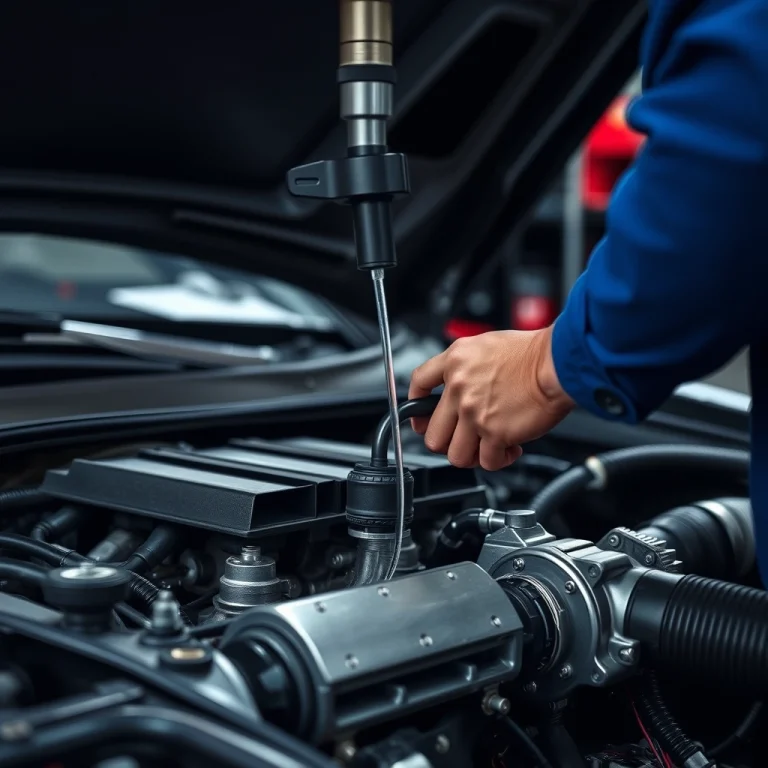
Locate the diesel injectors in the engine bay. They are typically found attached to the fuel rail. Use your wrench to carefully remove the bolts securing the fuel rail. Gently pull the injectors out, taking care not to damage any surrounding components. Keep track of any washers or seals for reinstallation.
Cleaning Procedure
Attach the injectors to the cleaning kit as per the manufacturer’s instructions. Employ a diesel injector cleaning solution that is specifically designed for your vehicle’s requirements. Run the solution through the injectors to remove carbon deposits and other impurities. This step might require cycling the solution several times for thorough cleaning.
Tip: Use a soft brush to gently scrub off any stubborn deposits on the injector tips.
Reinstallation
Once cleaned, reinsert the injectors into the engine. Ensure all washers and seals are correctly placed to prevent leaks. Bolt the fuel rail back into position securely. Reconnect the battery and start the engine to check for smooth operation and any leaks.
Properly cleaning diesel injectors can enhance engine performance and fuel efficiency. Ensure you follow these steps carefully for a successful DIY cleaning session.
Post-Cleaning Checks
Performance Testing
After cleaning your diesel injectors, assessing their performance is essential to ensure they are functioning optimally. Begin by reinstalling the injectors into the engine. Start the engine and let it idle for a few minutes to stabilize. Pay close attention to how smoothly the engine runs – any unusual sounds or vibrations might indicate a problem.
Perform a throttle response test by gently pressing the accelerator. The engine should respond smoothly without hesitations or misfires. If you have access to a diagnostic tool, use it to check the fuel trim levels and injector pulse widths. These readings can give you insight into the injector’s performance.
Leak Inspection
Ensuring there are no fuel leaks is another crucial step after cleaning. With the engine running, visually inspect the area around each injector. Look for any signs of diesel fuel leakage, such as wetness or fuel odor.
If you detect a leak, it’s important to address it immediately. Tighten any loose connections and recheck the seals. Sometimes, replacing the seals or O-rings might be necessary if they appear damaged or worn out.
Tip: Use a mirror to check hard-to-see areas around the injectors for leaks.
Once you’ve confirmed there are no leaks and the engine runs smoothly, your post-cleaning checks are complete. This ensures your diesel injectors are functioning correctly and efficiently.
Maintenance Tips for Diesel Injectors
Regular Maintenance Practices
Cleaning diesel injectors is a straightforward task if approached systematically. Here are some effective strategies:
- Use a Diesel Fuel Additive: Adding a quality diesel fuel additive to your tank can help keep injectors clean by removing deposits and preventing new ones from forming. This should be done every few thousand miles.
- Manual Cleaning: Remove the injectors and soak them in a cleaning solution specifically designed for diesel parts. Follow with a careful brushing to remove stubborn deposits. Always refer to your vehicle’s manual for specific instructions on injector removal.
- Fuel Filter Replacement: Ensure that your fuel filter is changed regularly. A clogged filter can lead to dirty fuel reaching the injectors, causing them to clog.
Signs to Watch For
Recognizing the signs of clogged injectors early can save you time and money. Watch out for these symptoms:
- Rough Idling: If your engine idles roughly, it might indicate that the injectors are not delivering fuel evenly.
- Reduced Fuel Efficiency: A noticeable drop in fuel efficiency can be a sign that injectors are not working well and require cleaning.
- Engine Misfires: Consistent engine misfires or trouble starting your vehicle can point to clogged injectors.
Tip: Always use high-quality diesel fuel to minimize the risk of injector clogging and extend the lifespan of your injectors.
When to Seek Professional Help
Complex Issues
Sometimes, cleaning diesel injectors at home isn’t enough, especially when facing complex issues. If your vehicle displays erratic engine performance, rough idling, or persistent misfires even after a thorough cleaning, it’s time to contact a professional. These symptoms might indicate deeper mechanical problems that require specialized diagnostic equipment and expertise.
Persistent Symptoms
After cleaning, if your diesel engine continues to exhibit symptoms like excessive smoke, poor fuel economy, or a noticeable lack of power, seeking help from a mechanic is advisable. Persistent issues might suggest that the injectors are worn out or damaged, necessitating replacement rather than cleaning.
Here are some indications that professional help is necessary:
- Consistent Engine Light: If the check engine light remains on after cleaning, it could be a sign of underlying issues.
- Unusual Noises: Strange sounds from the engine area could indicate injector problems or related system faults.
- Fuel Leaks: Visible fuel leaks around the injectors or fuel rail should be examined by a professional immediately.
Tip: Always keep a log of any symptoms and maintenance work performed on your vehicle, including attempted cleaning. This can help mechanics diagnose issues more effectively.
Quick Summary
- Regular maintenance of diesel injectors helps improve engine performance and fuel efficiency.
- Simple cleaning can be done using commercial injector cleaner additives added directly to the fuel tank.
- For deeper cleaning, remove the injectors and use specialized cleaning kits or ultrasonic cleaning devices.
- Always wear protective gear and work in a well-ventilated area when handling fuel system components.
- Inspect injectors for physical damage or excessive wear during cleaning and replace if necessary.
- Properly reinstall injectors and ensure all connections are tight to prevent leaks.
- Consider consulting a professional if unsure about the cleaning process or if issues persist after cleaning.
Frequently Asked Questions
What is the purpose of cleaning diesel injectors?
Cleaning diesel injectors ensures they function efficiently by removing carbon deposits and other build-ups. This can improve engine performance and fuel efficiency.
How often should diesel injectors be cleaned?
The frequency of cleaning depends on the vehicle’s use and fuel quality, but generally, every 20,000 to 30,000 miles is recommended. Regular maintenance checks can help determine the ideal cleaning schedule for your injectors.
Can I clean diesel injectors myself, or should I go to a professional?
You can clean diesel injectors yourself using injector cleaner additives available in stores. However, for a thorough clean, especially if you notice performance issues, consulting a professional mechanic is advisable.
What are the signs that diesel injectors need cleaning?
Common signs include rough idling, difficulty starting the engine, reduced fuel efficiency, and increased exhaust emissions. If you notice any of these symptoms, it’s a good idea to check the injectors.
Are there any risks involved in cleaning diesel injectors at home?
While using additives is generally safe, incorrect handling or using the wrong products can cause damage. Always follow the manufacturer’s instructions and if uncertain, seek professional assistance.

- Find the Right Engine Oil for Your Car: A Quick Guide - March 1, 2026
- Car Battery Booster Basics: Start Your Vehicle in Minutes - March 1, 2026
- How Long Does It Take To Charge A Motorcycle Battery Charging Time Guide - February 28, 2026