
How To Clear Airbag Light – Diy Guide For Cautious Enthusiasts
Dealing with an unexpected airbag light can be frustrating for any car owner, especially if you’re keen on ensuring your vehicle’s safety. Fortunately, resetting this warning doesn’t always require a trip to the mechanic. With some guidance, you can confidently tackle this issue yourself.
To clear the airbag light, first check the seatbelt connections, inspect fuses, and disconnect the battery. If these steps don’t help, using an OBD2 scanner might be needed. Always consult your vehicle’s manual for specifics to ensure you’re following the right steps.
Understanding the Airbag Light
What Triggers the Airbag Light?
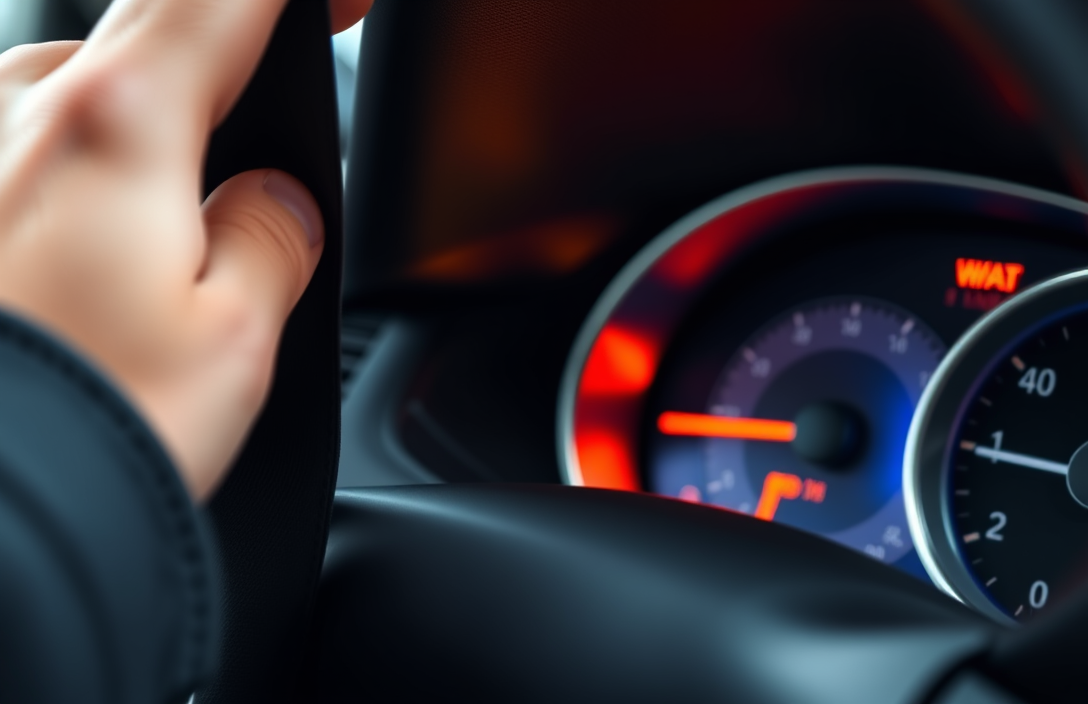
When your airbag light turns on, it’s a sign that something in the airbag system isn’t functioning correctly. Common triggers include:
- Seat Belt Buckles: Faulty seat belt sensors can send incorrect signals to the airbag system.
- Airbag Module: A malfunction in the airbag control module can cause the light to illuminate.
- Sensor Issues: Impact sensors, which detect collisions, might be damaged or malfunctioning.
- Wiring Problems: Damaged or corroded wiring can interfere with the system’s communication.
Potential Risks of Ignoring the Light
Ignoring the airbag light can lead to serious risks. The most significant concern is that the airbags may not deploy in the event of an accident, posing a threat to passenger safety. Additionally, the airbags might deploy unexpectedly, which could cause harm and lead to unnecessary repairs.
It’s advisable to address the airbag light promptly. Even if you plan to DIY, consulting with a professional can help ensure that you’re addressing the correct issue and maintaining safety standards.
Initial Safety Precautions
Disconnecting the Battery
Before you start working on the airbag system, it’s essential to disconnect the battery. This step helps ensure that the airbags do not accidentally deploy, which could cause injury. Follow these steps:
- Turn off the ignition: Make sure the vehicle is completely off and the keys are removed from the ignition.
- Open the hood: Locate the battery under the hood of your vehicle.
- Disconnect the negative terminal: Using a suitable wrench, loosen the nut on the negative battery terminal and remove the cable. This step isolates the vehicle’s electrical system.
- Wait: Allow at least 10 minutes for any residual power in the system to dissipate before proceeding with any work on the airbag system.
Preventing Static Discharge
Static electricity can also trigger airbag deployment. To prevent this, follow these precautions:
- Wear anti-static gloves: These can help reduce the risk of static discharge when handling sensitive components.
- Ground yourself: Touch a metal part of the car or use an anti-static wrist strap to ensure you are grounded before touching any airbag components.
- Work in a safe environment: Avoid working on the airbag system in areas prone to static, such as carpeted surfaces.
Tip: Always consult your vehicle’s manual for specific instructions related to your model’s airbag system.
Diagnosing the Issue
Using an OBD-II Scanner
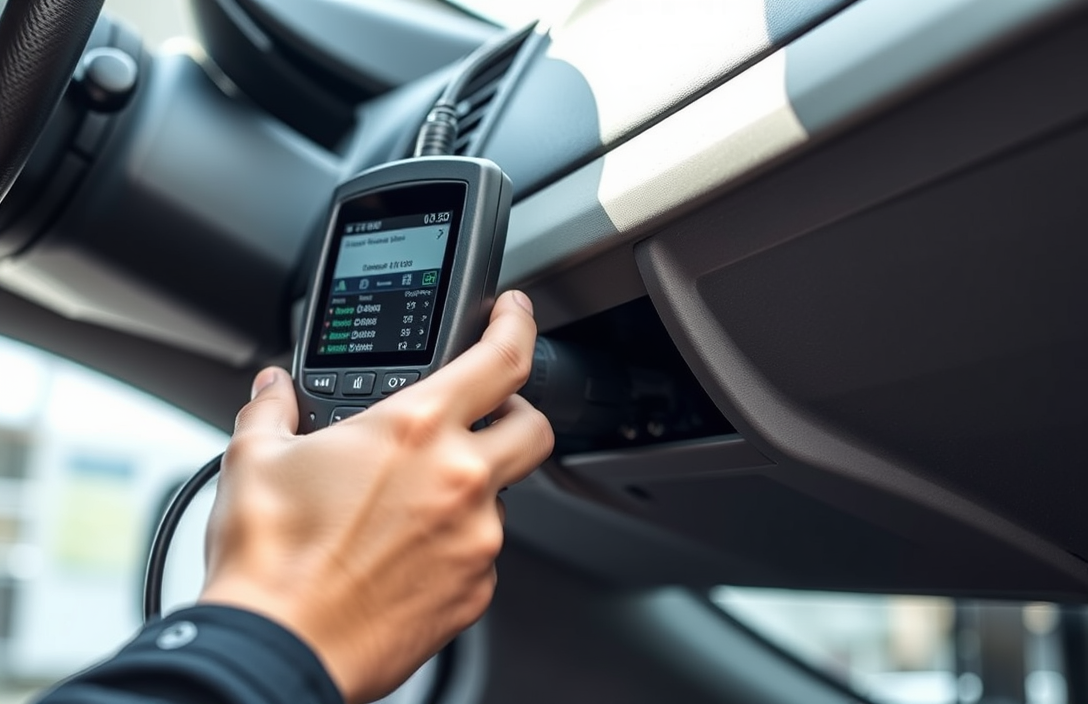
To diagnose the airbag light issue, you’ll need to use an OBD-II scanner. Here’s how you can proceed:
- Locate the OBD-II Port: This is usually found under the dashboard on the driver’s side. A small cover may need to be removed.
- Connect the Scanner: Plug the scanner into the port. Ensure your vehicle’s ignition is in the “on” position, but the engine should remain off.
- Power On the Scanner: Some models power up automatically, while others may require you to turn them on manually.
- Access Airbag Codes: Navigate through the menu options to find the airbag or SRS (Supplemental Restraint System) section.
Interpreting Error Codes
Once you have access to the airbag codes, interpreting them correctly is crucial:
- Read the Codes: The scanner will display codes such as “B1234.” Each code corresponds to a specific fault.
- Consult the Manual: Refer to the scanner’s manual or an online database to determine what each code means.
- Identify the Problem: Common issues include a faulty sensor, disconnected harness, or a blown fuse.
Tip: Always clear the codes after addressing the issues to see if they reappear, confirming the fix.
By following these steps, you can accurately diagnose the issue causing the airbag light to illuminate. Remember, if the problem persists, consulting a professional might be necessary.
Common Causes and Fixes
Faulty Sensors
Airbag sensors can sometimes malfunction, triggering the airbag light. To address this, locate the sensors, typically found in the front bumper or under the dashboard. Check for visible damage or debris that might be affecting them. If you suspect a faulty sensor, consider using an OBD-II scanner to diagnose the issue accurately. If the scanner confirms a sensor problem, replacing the sensor will likely resolve the issue.
Loose or Damaged Wiring
Wiring issues are another common cause of the airbag light staying on. Inspect the wiring connected to the airbags, sensors, and module. Look for any signs of wear, fraying, or disconnections. Carefully reconnect any loose wires and replace damaged ones. After fixing the wiring, clear the codes using an OBD-II scanner to see if the light turns off.
Defective Airbag Module
The airbag module controls the airbag system and can sometimes fail. If the module is defective, it may not communicate properly with the sensors, causing the airbag light to illuminate. To fix this, access the module, usually located under the center console or dashboard. Using an OBD-II scanner, check for error codes that point to module failure. If confirmed, the module may need to be reset or replaced. Resetting can be done by disconnecting the car’s battery for a few minutes or using the scanner. If resetting doesn’t work, replacement is necessary.
Tip: Always disconnect the battery before working on your car’s electrical system to avoid accidental airbag deployment.
Resetting the Airbag Light

Manual Reset Methods
Once you’ve addressed the cause of your airbag light, resetting it manually is often possible depending on your vehicle model. Here’s a general method you can try:
- Turn the Ignition On and Off: Insert your key and turn the ignition to the “on” position without starting the engine. After about 7 seconds, the airbag light should go off. Turn the ignition off and wait 3 seconds. Repeat this process 2-3 times.
- Disconnect the Battery: Remove the negative battery cable for about 10 minutes. This action can reset the vehicle’s computer system, including the airbag light.
Tip: Always ensure your car is off and the keys are removed before attempting any manual reset to avoid accidental airbag deployment.
Using Diagnostic Tools for Reset
If the manual method doesn’t work, using a diagnostic tool can be an effective way to reset the airbag light. Here’s how:
- OBD-II Scanner: Connect an OBD-II scanner to the vehicle’s diagnostic port, usually located under the dashboard. Turn on the ignition and follow the scanner’s instructions to access the airbag system. Clear the codes related to the airbag light.
- Professional Assistance: If you’re unsure about using a scanner, or if the light persists, visiting a professional technician can ensure the light is reset safely and correctly.
Tip: Investing in a quality OBD-II scanner can save time and future trips to the mechanic by allowing you to diagnose and clear error codes yourself.
When to Consult a Professional
Complex Electrical Issues
When the airbag light remains on despite your best DIY efforts, it’s time to consider that the issue might be more complicated. Modern vehicles have intricate electrical systems, and the airbag system is no exception. Problems like faulty sensors, damaged wiring, or issues with the vehicle’s computer system require specialized diagnostic tools and expertise.
Attempting to resolve these issues without the proper tools and knowledge can result in further complications. If you’ve checked the basics like the airbag module connections and the light persists, consulting an automotive electrician or a professional technician is advisable.
Persistent Warning Light
If the airbag light reappears after a temporary fix, it could indicate an underlying problem that needs professional attention. Resetting the light might provide a short-term solution, but the recurrence suggests that the root cause has not been addressed.
A certified mechanic can run a comprehensive diagnostic to identify the exact problem, whether it’s a defective airbag module or a deeper issue within the vehicle’s safety system. Ignoring a persistent airbag warning light can compromise your safety, so professional evaluation is essential.
Tip: Always ensure your vehicle’s airbag system is in perfect working order. It’s a critical component for your safety and should not be left unchecked if there are any signs of malfunction.
Preventative Maintenance Tips
Regular System Checkups
One of the most effective ways to prevent the airbag light from turning on is through regular system checkups. Schedule routine diagnostic checks, even if your vehicle isn’t showing any warning lights. A professional can connect your car to a specialized diagnostic tool that reads any error codes from the airbag system. Addressing these codes early can prevent more significant issues down the road.
Keeping Sensors Clean
Airbag sensors can become dirty or corroded over time, which may trigger the airbag warning light. Regularly cleaning these sensors ensures they function properly. Use a soft cloth and a gentle cleaning solution to wipe the sensors. Avoid using abrasive materials that could scratch or damage the sensors.
Tip: Always disconnect the battery before working on or around airbag sensors to avoid accidental deployment.
Additionally, be mindful of any dashboard covers or accessories that might interfere with sensor operation. Ensure nothing obstructs or damages the sensors to maintain their effectiveness.
Legal and Insurance Implications
Impact on Vehicle Safety Standards
Addressing an airbag light issue is not just a matter of convenience, but a safety imperative. Airbag systems are integral to vehicle safety standards, and a malfunctioning airbag light can indicate a failure in this critical system. Driving with a persistent airbag light could mean the airbags might not deploy during an accident, putting you and your passengers at risk. Therefore, ensuring the airbag system is functioning correctly is essential to meet safety regulations and protect all vehicle occupants.
Insurance Considerations
Insurance policies often stipulate that vehicles must be maintained in a roadworthy condition. A faulty airbag light can potentially lead to complications with insurance claims. For instance, in the event of an accident, if it’s discovered that the airbag system was not in working order, it may affect the settlement of claims. Insurers could argue that the vehicle was not maintained properly, which could impact your coverage.
To avoid such complications, it’s advisable to:
- Regularly check and maintain your vehicle’s airbag system.
- Document any repairs or maintenance performed on the airbag system.
- Consult with your insurance provider to understand specific requirements related to airbag maintenance.
Tip: Always have a certified technician inspect your vehicle if the airbag light is on. This ensures not only compliance with safety standards but also peace of mind regarding insurance coverage.
Quick Summary
- Check the vehicle’s manual to understand what the airbag light indicates and any specific steps provided for your car model.
- Inspect the airbag system’s wiring and connectors under the seats to ensure they are securely connected and not damaged.
- Examine the seat belts and pretensioners, as a faulty seat belt sensor can trigger the airbag light.
- Use an OBD-II scanner to read error codes from your car’s computer, which can point to the issue causing the airbag light.
- If the problem is minor and resolved, use the scanner to reset the airbag light; otherwise, consult a professional technician for advanced diagnostics and repairs.
- Regular maintenance and inspection of the airbag system can prevent unexpected issues and keep you safe on the road.
Frequently Asked Questions
What should I do if my airbag light turns on unexpectedly?
Check your vehicle’s manual for guidance on the airbag system. Often, a loose connection or a sensor issue may be the cause. If you’re unsure, consult a professional technician for a thorough diagnosis.
Can I reset the airbag light myself?
Yes, you can try resetting it by disconnecting the car’s battery for about 15 minutes. However, if the light remains on, it’s best to have the system inspected by a professional as it might indicate a more serious issue.
Is it safe to drive with the airbag light on?
Driving with the airbag light on is not recommended, as it signals a potential malfunction in the airbag system. This could mean the airbags won’t deploy in an accident, so it’s crucial to address the issue promptly.
What are common reasons for the airbag light to stay on?
Common reasons include a faulty seat belt buckle, a bad clock spring in the steering wheel, or issues with the car’s sensors. Identifying the exact cause often requires a diagnostic tool.
Will disconnecting the battery reset the airbag light permanently?
Disconnecting the battery may temporarily reset the light, but if there’s an underlying issue, the light will likely return. It’s important to fix the root cause to ensure the airbag system functions correctly.

- Find the Right Engine Oil for Your Car: A Quick Guide - March 1, 2026
- Car Battery Booster Basics: Start Your Vehicle in Minutes - March 1, 2026
- How Long Does It Take To Charge A Motorcycle Battery Charging Time Guide - February 28, 2026