

How To Clear Oil Change Light Simple Steps For Diy Enthusiasts
Ever noticed that pesky oil change light on your dashboard and wondered how to turn it off without a trip to the mechanic? You’re not alone. This guide is here to help you learn how to reset that light in no time.
To clear the oil change light, start by consulting your vehicle’s manual for specific instructions. Typically, this involves turning the ignition to “on” without starting the engine, then pressing the gas pedal or odometer reset button three times. Consult the manual for your car model for exact steps.
Understanding the Oil Change Light
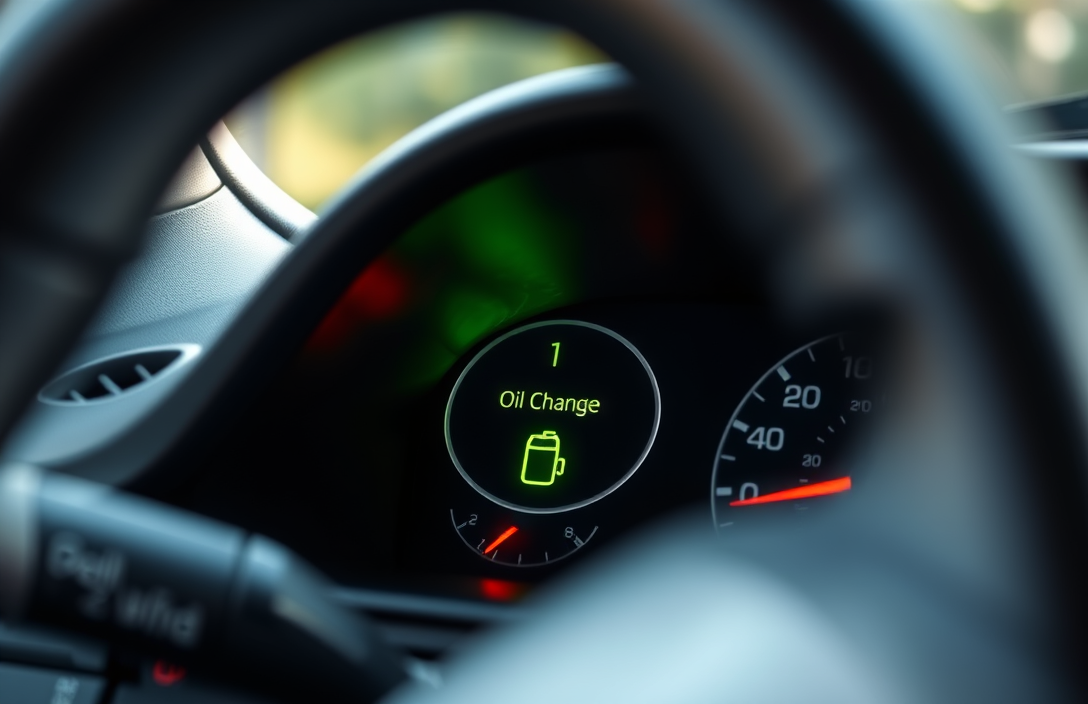
Purpose of the Oil Change Light
The oil change light in your vehicle serves as a reminder to check and possibly replace your engine oil. This light is part of the car’s maintenance reminder system, designed to help you keep the engine running smoothly and efficiently. Regular oil changes are essential for reducing wear on engine components and ensuring the longevity of your vehicle.
Common Triggers
Several factors can trigger the oil change light:
- Time and Mileage: Most systems are programmed to illuminate the light after a set number of miles or a specific time period since the last reset.
- Oil Quality: Some advanced systems can assess the quality of the oil, turning on the light if the oil becomes too dirty or loses its effectiveness.
- Sensor Malfunctions: Occasionally, a faulty sensor might cause the light to come on prematurely.
Understanding the function and triggers of the oil change light can help you respond appropriately, ensuring your vehicle remains in optimal condition. Regularly checking your owner’s manual can provide specific details on how your vehicle’s system operates and when to expect the light to appear.
Preparing to Reset the Oil Change Light
Before resetting the oil change light, it’s essential to prepare properly. This ensures a smooth process and avoids any mishaps. Here’s how to get ready:
Tools and Materials Needed
- Vehicle manual: Different car models have unique procedures for resetting the oil change light. The manual provides specific instructions.
- Notebook and pen: Useful for jotting down steps if needed.
- Flashlight: Handy if you need to look under the dash or in dimly lit areas.
Safety Precautions
- Park your vehicle safely: Ensure the car is on a flat surface and the engine is off. Engage the parking brake to prevent any movement.
- Disconnect the battery: If your vehicle requires battery disconnection for the reset, ensure you know how to safely detach and reattach the battery terminals.
- Wear protective gear: Gloves and safety glasses can protect against accidental exposure to battery acid or other hazards.
Tip: Always keep your car’s manual in a convenient location. It’s a great resource for quick troubleshooting.
Consulting the Vehicle Manual
Locating the Manual
To reset the oil change light, the first step is finding your vehicle’s manual. Typically, you can locate it in the glove compartment or the vehicle’s trunk. If you can’t find a physical copy, many manufacturers offer digital versions on their websites. Ensure you have your vehicle’s make, model, and year ready to access the correct manual online.
Understanding Manufacturer Instructions
Once you have your manual, navigate to the section that covers dashboard indicators or maintenance reminders. Each vehicle can have a different process, but the manual will provide step-by-step instructions tailored to your specific model.
- Check the index: Look for terms like “oil change light,” “maintenance light,” or “reset indicators.”
- Follow the steps: Instructions often involve a series of actions like turning the ignition to specific positions and pressing buttons on the dashboard.
Tip: If you’re struggling to follow the manual, consider searching online for video tutorials specific to your vehicle model.
Following the correct procedure ensures the light is reset properly and helps maintain your vehicle’s maintenance schedule.
Generic Steps to Reset the Oil Change Light
Step-by-Step Instructions
Resetting the oil change light can be a straightforward process, but it might differ slightly depending on your vehicle. Here’s a general guide:
- Turn on the ignition: Insert your key and turn it to the “on” position, but do not start the engine.
- Find the reset button: Look for the oil change reset button or a similar button on your dashboard. It might be labeled “reset,” “select,” or “set.”
- Press and hold: Press and hold the reset button until the oil change light begins to flash or disappears. This usually takes about 10 seconds.
- Turn off the ignition: Turn off your ignition, then start your vehicle to ensure the light has been reset.
Common Variations by Vehicle Type
While the basic steps are similar, some vehicles have unique procedures:
- Honda: Use the trip button to navigate to the oil life display, then hold the button until the display resets.
- Ford: Use the “Reset” or “Setup” button on the steering wheel to navigate to the oil life reset option.
- Toyota: Press and hold the trip meter reset button while turning the ignition to the “on” position.
Tip: Always refer to your vehicle’s manual for the exact procedure, as it provides manufacturer-specific instructions.
Resetting the Oil Change Light: Popular Models

Toyota
To reset the oil change light on most Toyota models, follow these steps:
- Turn the ignition to the “ON” position without starting the engine.
- Press the trip meter reset button until “Trip A” appears on the display.
- Turn the ignition off.
- Press and hold the trip meter reset button, then turn the ignition back to “ON.” Keep holding the button until the “000000” is displayed.
- Release the button and your light should be reset.
Ford
For Ford vehicles, the process may vary slightly, but generally:
- Turn the ignition to the “ON” position without starting the engine.
- Press both the accelerator and brake pedals at the same time.
- Hold the pedals down for about 20 seconds until you see a message indicating the reset is complete.
- Release the pedals and turn off the ignition.
Honda
Resetting the oil change light on a Honda is straightforward:
- Turn the ignition to “ON” without starting the engine.
- Press the “SELECT/RESET” button until the engine oil life indicator is displayed.
- Press and hold the “SELECT/RESET” button for about 10 seconds.
- Release the button, then press and hold it again until the oil life resets to 100%.
Chevrolet
For Chevrolet models, use the following steps:
- Turn the ignition to the “ON” position without starting the engine.
- Press the “INFO” button to display “OIL LIFE REMAINING.”
- Press and hold the “RESET” button until you see “100%” on the display.
- Turn off the ignition. The light should now be reset.
Troubleshooting Issues
Light Does Not Reset
If your oil change light doesn’t reset after following the manual’s instructions, try these steps:
- Recheck Procedure: Ensure you’ve followed each step precisely. Vehicles often require specific sequences or timing.
- Battery Disconnect: Disconnect the negative battery terminal for a few minutes, then reconnect. This can reset the vehicle’s computer.
- Double-check Oil Level: Confirm the oil level is adequate. Low oil might trigger the light.
- Consult Manual: Some models have unique reset methods. Verify with your manual.
- Professional Help: If the issue persists, a mechanic can check for underlying problems.
Frequent Light Activation
If your oil change light activates frequently:
- Oil Quality: Use high-quality oil and filters to prevent premature sensor activation.
- Sensors: Faulty sensors can cause frequent alerts. Have them checked if the light is a regular issue.
- Driving Conditions: Harsh conditions or city driving may cause oil degradation faster, requiring more frequent changes.
- Schedule: Keep a maintenance schedule. Regular checks can help catch issues before they trigger the light.
Tip: Keeping a log of oil changes and any dashboard alerts can help diagnose patterns and issues efficiently.
When to Seek Professional Help
If you’ve tried resetting your oil change light and it still won’t turn off, it might be time to consider seeking professional help. Persistent issues with the oil light may indicate underlying problems that need expert attention.
Indicators of Underlying Issues
When the oil change light refuses to reset, it’s often a sign that there might be more than just a simple reset needed. Here are a few indicators that suggest it’s time to see a technician:
- Repeated Malfunctions: If the light keeps coming back on shortly after resetting, it could be a sign of a malfunctioning sensor or a deeper issue with the vehicle’s oil system.
- Strange Noises: Any unusual sounds from the engine while driving suggest a potential problem that shouldn’t be ignored.
- Oil Leaks: Visible oil leaks under the vehicle point to a possible issue with seals or gaskets.
- Engine Performance: If the engine is not running smoothly or there’s a noticeable drop in performance, it might be time for a professional diagnosis.
Choosing a Technician
When selecting a technician, consider the following:
- Experience: Look for a technician with extensive experience in handling your specific vehicle make and model.
- Certification: Ensure they hold relevant certifications such as ASE (Automotive Service Excellence).
- Reputation: Check online reviews or ask for recommendations from friends and family to find a trusted professional.
“A persistent oil light is your car’s way of asking for help – don’t ignore it.”
Maintaining Your Vehicle After Reset
Regular Oil Changes
After resetting your oil change light, staying on top of regular oil changes is essential to prevent future alerts from popping up unexpectedly. Consult your vehicle’s manual to determine the recommended oil change intervals, which typically range from 3,000 to 7,500 miles depending on your vehicle and driving conditions. Regular oil changes not only help in maintaining the light off but also ensure your engine runs smoothly.
Keeping a record of your oil changes can be beneficial. Jot down the date and mileage each time you change the oil. This practice helps you schedule your next change before the light appears, reducing the risk of engine wear and tear.
Monitoring Vehicle Performance
Paying attention to your vehicle’s performance can signal when it might be time for an oil change, even before the light comes on. Look out for signs like unusual engine noises, decreased fuel efficiency, or a burning oil smell. These could indicate that your oil is low or degraded.
Additionally, periodically check the oil level using the dipstick. Make sure the oil is within the recommended range, and its color is a healthy amber. Dark or gritty oil suggests it’s time for a change.
Tip: Consider using a digital app or calendar reminder to alert you when your next oil change is due. This can be a handy way to stay on track.
Quick Summary
- Identify your vehicle’s make and model, as different cars may have varying methods for resetting the oil change light.
- Turn the ignition to the ‘on’ position without starting the engine, as this is a common step across many vehicles.
- Locate and press the reset button on the dashboard or use the steering wheel controls, often found on the instrument panel.
- Hold the reset button until the oil change light begins to flash or turns off, indicating the reset process is complete.
- Consult the owner’s manual if unsure about the specific procedure for your vehicle, as it provides detailed instructions specific to each model.
- For cars with advanced systems, navigate through the digital display menu to find the reset option.
- Seek professional assistance if the light does not reset, as there may be an underlying issue requiring attention.
Frequently Asked Questions
How do I reset the oil change light on my car?
Resetting the oil change light typically involves turning the ignition on without starting the engine, then pressing the gas pedal three times within 10 seconds. Refer to your vehicle’s manual for specific instructions as the process can vary by model.
Why does the oil change light come on?
The oil change light is a reminder that it’s time to change your vehicle’s oil based on mileage or time since the last service. It helps ensure your engine remains well-lubricated and runs smoothly.
What happens if I don’t reset the oil change light?
Failing to reset the oil change light won’t harm your vehicle, but it will continue to remind you of a service that may have already been completed. Resetting it helps track future maintenance intervals accurately.
Can I reset the oil change light without changing the oil?
Yes, you can reset the light without changing the oil, but it’s not recommended unless the oil change has been completed. Skipping oil changes can lead to engine damage over time.
Is the oil change light the same as the check engine light?
No, the oil change light specifically indicates it’s time for an oil service, while the check engine light signals a broader range of potential issues with the vehicle’s systems that may require diagnostic testing.

- Find the Right Engine Oil for Your Car: A Quick Guide - March 1, 2026
- Car Battery Booster Basics: Start Your Vehicle in Minutes - March 1, 2026
- How Long Does It Take To Charge A Motorcycle Battery Charging Time Guide - February 28, 2026