

How To Disable Anti Lock Brakes Safely Disable Abs System
Disabling anti-lock brakes (ABS) can be a curious endeavor for many DIY enthusiasts. While ABS is designed to prevent wheel lockup during braking, some might wish to explore traditional braking experiences or require it for specific driving conditions.
To disable ABS, locate and remove the ABS fuse or disconnect the ABS relay. This action will turn off the ABS warning light, indicating the system is inactive. Always consider safety and legal implications before proceeding.
Understanding ABS and Its Importance
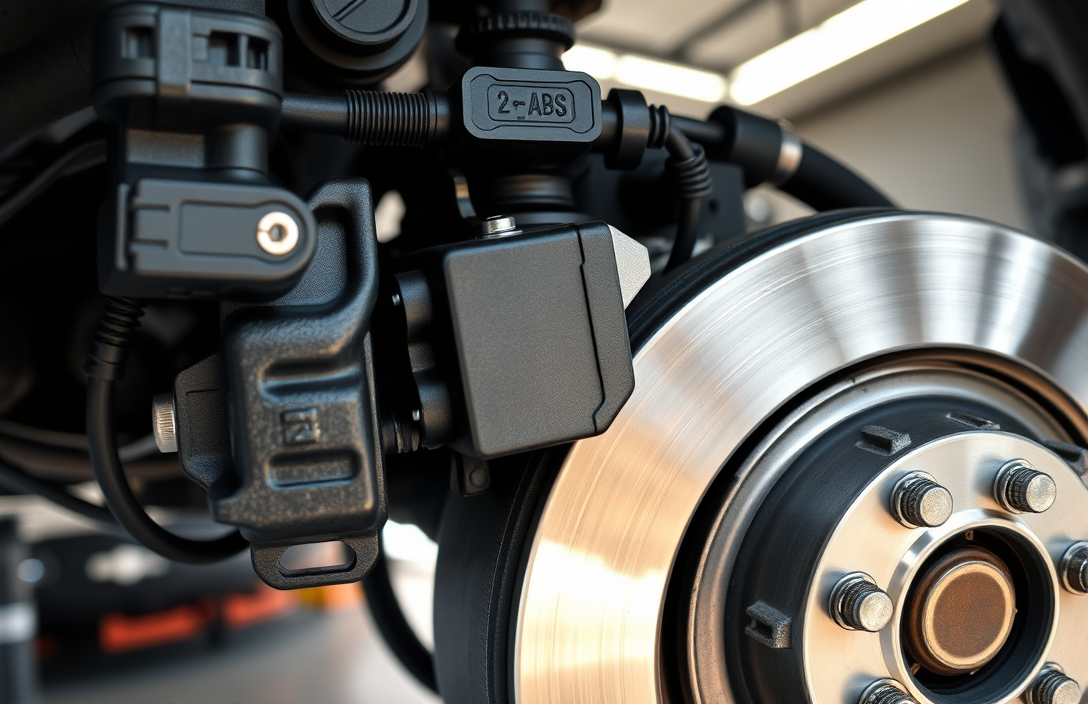
What is ABS?
The Anti-lock Braking System (ABS) is a safety feature that prevents a vehicle’s wheels from locking up during braking. This is achieved by modulating the brake pressure to allow the wheels to maintain traction with the road surface.
Benefits of ABS
ABS is designed to enhance vehicle control and reduce stopping distances on slippery surfaces. By preventing wheel lock-up, ABS helps drivers maintain steering ability, which is crucial in avoiding obstacles during emergency braking situations.
Safety Concerns
Disabling ABS can significantly impact the safety and performance of your vehicle. Without ABS, the risk of wheel lock-up increases, which can lead to skidding and loss of steering control. This is particularly dangerous on wet or icy roads, where maintaining control is vital.
Tip: Before considering any modifications to your vehicle’s safety systems, consult with a qualified automotive technician to understand the implications.
Reasons for Disabling ABS
Troubleshooting ABS Issues
Disabling the ABS can be a practical step when diagnosing problems with the system. If the ABS warning light is constantly on, it may indicate a malfunction that requires immediate attention. Temporarily disabling the system allows you to determine if the issue lies within the ABS components or elsewhere in the braking system. This can help isolate the cause of the problem, ensuring a more focused repair effort. However, remember to enable the ABS after troubleshooting, as it plays a vital role in vehicle safety.
Vehicle Modifications
Some vehicle owners may choose to disable ABS when performing specific modifications that affect the braking system. For instance, when upgrading to racing brakes or altering the suspension, the existing ABS may not function properly due to changes in wheel speed sensor signals. In such cases, disabling the system can prevent false readings and potential malfunctions. Ensure that any modifications are done with safety in mind, and consult with a professional to understand the implications of these changes.
Off-Road Considerations
Off-road driving often presents conditions where ABS may not be beneficial, such as loose gravel or deep sand. In these environments, the system can sometimes increase stopping distances by preventing the wheels from locking, which is needed to build up a wedge of material in front of the tires for additional stopping power. Disabling ABS in off-road situations can offer better control, but exercise caution as this may change the vehicle’s handling characteristics. Always re-engage ABS for regular driving conditions to maintain optimal safety.
Tip: Always consult your vehicle’s manual or a professional before disabling ABS to ensure you are aware of the potential impacts and legal considerations.
Precautions and Legal Considerations

Safety Precautions
Disabling anti-lock brakes (ABS) involves risks that must be managed carefully. Before proceeding, ensure you have a thorough understanding of your vehicle’s braking system. Always work in a well-lit and organized space to avoid accidents. Use appropriate tools and safety gear, such as gloves and eye protection, to prevent injuries. Keep a fire extinguisher nearby, as some tasks may involve electrical components.
Tip: If unsure, consult a professional mechanic to avoid potential hazards.
Legal Implications
Modifying safety systems like ABS may conflict with road safety regulations. Check local laws to ensure compliance, as driving a vehicle with disabled ABS could be illegal in some regions. Legal consequences might include fines or inability to register your vehicle.
Tip: Visit your local Department of Motor Vehicles (DMV) website for specific legal guidelines.
Insurance Impact
Disabling ABS can affect your vehicle insurance. Notify your insurer about any modifications to your car’s safety features. Failure to do so might result in denied claims or increased premiums. Insurers often view such changes as increasing risk, which could negatively impact your policy.
Tip: Discuss potential insurance implications with your provider before making any modifications.
Tools and Equipment Needed
Basic Tools
To disable anti-lock brakes (ABS), begin with fundamental tools that are likely already in your toolkit:
- Socket Set: A comprehensive set, including various sizes, is essential for removing bolts and screws.
- Screwdrivers: Both flathead and Phillips screwdrivers are needed to work on different screws within the ABS system.
- Pliers: Used for gripping and twisting wires or small components.
Specialized Equipment
While basic tools are a good start, specialized equipment ensures you can safely and efficiently disable the ABS:
- OBD-II Scanner: This device is necessary to diagnose and clear any error codes generated by disconnecting the ABS system.
- ABS Removal Tool: A specific tool designed to safely disconnect the ABS sensor without damaging it.
Safety Gear
Safety is paramount when working on automotive systems. Equip yourself with:
- Safety Glasses: Protects your eyes from debris and fluid splashes.
- Mechanic Gloves: Provides grip and protects hands from cuts and abrasions.
- Fire Extinguisher: Keep one nearby in case of any electrical mishaps.
Tip: Always disconnect the car’s battery before beginning work to avoid electrical shocks and accidental airbag deployment.
Step-by-Step Guide to Disabling ABS

Locate the ABS Fuse
The first step in disabling your vehicle’s Anti-Lock Braking System (ABS) is to identify the correct fuse. This is typically located in the fuse box, which can be found under the hood or inside the cabin. Consult your vehicle’s manual for the exact location and identification number of the ABS fuse.
Disconnecting the Fuse
Once you’ve located the ABS fuse, use a fuse puller or a pair of needle-nose pliers to gently remove it. Ensure the vehicle is turned off and the keys are removed from the ignition to avoid electric shock or damage to the electrical system.
Tip: Keep the removed fuse in a safe place so you can easily reinstall it if needed.
Testing the System
After removing the fuse, turn the vehicle back on and check the dashboard for any warning lights. The ABS light should illuminate, indicating that the system is inactive. If other warning lights appear, recheck that you’ve removed the correct fuse.
Take the vehicle for a short drive in a safe area to ensure the brakes function properly without the ABS. Be mindful that the vehicle may handle differently, especially in slippery conditions.
Warning: Disabling the ABS can affect your vehicle’s braking performance, particularly on wet or icy roads. Proceed with caution and consider the potential risks involved.
Troubleshooting Common Issues
Warning Lights Not Turning Off
If your ABS warning light remains illuminated after disabling the system, it might be due to a fault in the electrical connections. Here’s how you can address this:
- Check Connections: Inspect all ABS-related wires and connectors for loose or damaged wires. Reconnect or replace as necessary.
- Reset the System: Disconnect the battery for about 10 minutes to reset the vehicle’s computer. Reconnect the battery and start the vehicle to see if the light remains off.
- Consult a Professional: If the light persists, it may indicate a deeper issue requiring a professional diagnosis.
Brake Performance Issues
Disabling ABS can impact brake performance, leading to issues such as wheel lockup under hard braking. Address these concerns by:
- Brake Balance: Ensure that the brake pads and rotors are in good condition to maintain balance and avoid skidding.
- Driving Technique: Practice threshold braking, which involves applying brake pressure just before the wheels lock up.
- Regular Maintenance: Perform regular checks on the brake fluid, pads, and rotors to ensure optimal braking performance.
Tip: Always test your vehicle in a controlled environment after making modifications to the braking system to ensure safety.
Re-enabling the ABS
Reinstalling the Fuse
After making any modifications or tests that required disabling your vehicle’s Anti-lock Braking System (ABS), the first step in re-enabling it is to reinstall the fuse. Begin by locating the fuse box, which is typically found under the dashboard or in the engine compartment. Consult your vehicle’s manual to identify the exact location and the specific fuse associated with the ABS.
Once you have located the ABS fuse, ensure that it is not damaged. If the fuse is intact, proceed to reinstall it into its designated slot. If it is blown, replace it with a new fuse of the same amperage rating. This step is critical to restoring power to the ABS system.
System Reset Procedures
With the fuse back in place, you may need to reset the ABS system to clear any fault codes that were triggered during the time it was disabled. This can often be done by disconnecting the negative terminal of the vehicle’s battery for a few minutes. This disconnects power from the system, allowing it to reset once the battery is reconnected.
After reconnecting the battery, start your vehicle and observe the ABS warning light on the dashboard. If the light is no longer illuminated, the system has reset successfully. If the light remains on, further diagnostics may be required to ensure there are no underlying issues with the ABS components.
Tip: Always wear safety gear, such as gloves and goggles, when working on electrical components to prevent injury.
Alternatives to Disabling ABS
Software Solutions
Before considering disabling the ABS system, look into software solutions that can adjust the ABS settings for specific driving conditions. Many modern vehicles come with customizable control modules that allow you to modify the sensitivity or engagement of the ABS without fully turning it off. Check your vehicle’s manual or consult your dealer to see if your car has these capabilities.
Professional Services
Consulting with a professional technician can be a safer alternative. A qualified mechanic can diagnose issues with the ABS system and provide recommendations tailored to your specific needs. They can also offer services such as recalibrating the ABS sensors, which might resolve the concerns you have without needing to disable the system entirely.
Partial Disabling Options
For those who need the ABS disabled only under certain conditions, consider partial disabling options. Some vehicles allow you to switch between driving modes that include variations in ABS engagement. For instance, an “off-road mode” might reduce ABS sensitivity, providing more control on loose surfaces. Check your vehicle settings for these modes.
Tip: Always ensure any changes to your vehicle’s systems comply with local laws and regulations. Safety should remain a top priority.
Quick Summary
- Disabling anti-lock brakes (ABS) can be risky and is generally not recommended for regular vehicles as it can compromise safety.
- Before considering disabling ABS, ensure you understand how it impacts vehicle control, especially on slippery surfaces.
- If you decide to proceed, locate the ABS fuse in the fuse box and remove it to deactivate the system.
- Another method involves disconnecting the ABS sensor by locating the sensor near the wheel hub and unplugging it.
- Be aware that disabling ABS will trigger warning lights on your dashboard, indicating a system malfunction.
- Consider consulting your vehicle’s manual or a professional technician to fully understand the implications and ensure no permanent damage occurs.
- Remember that ABS is a critical safety feature designed to prevent wheel lock-up and maintain steering control during hard braking.
Frequently Asked Questions
Can I disable anti-lock brakes myself?
Disabling anti-lock brakes is technically possible, but it’s not recommended. The ABS is a critical safety feature, and tampering with it could lead to increased stopping distances and loss of vehicle control.
Why would someone want to disable anti-lock brakes?
Some might consider disabling ABS for off-road driving or certain motorsport applications where drivers prefer a different braking feel. However, for regular road use, ABS provides significant safety benefits.
What are the risks of disabling anti-lock brakes?
Disabling ABS can result in longer stopping distances, increased risk of wheel lock-up, and reduced steering control during hard braking, especially in slippery conditions.
Is disabling anti-lock brakes legal?
In many places, modifying or disabling safety features like ABS can be illegal and may void your vehicle insurance policy. It’s essential to check local laws before making any modifications.
What should I do if my anti-lock brakes are malfunctioning?
If your ABS is malfunctioning, have it inspected by a qualified technician. They can diagnose the issue and perform necessary repairs to ensure your vehicle’s braking system remains safe and effective.

- Find the Right Engine Oil for Your Car: A Quick Guide - March 1, 2026
- Car Battery Booster Basics: Start Your Vehicle in Minutes - March 1, 2026
- How Long Does It Take To Charge A Motorcycle Battery Charging Time Guide - February 28, 2026