
How To Drain Coolant From Reservoir Step-by-step Diy Guide
Draining the coolant from a car’s reservoir is a straightforward task that can save you time and money, while keeping your engine running smoothly. This task is ideal for those who enjoy maintaining their own vehicles and ensuring everything operates efficiently.
Key Points: Ensure the engine is cool, locate the reservoir, use a drain pan, and dispose of the old coolant properly. These steps help in maintaining vehicle performance and preventing overheating issues.
Who Should Drain Coolant Themselves?
Draining coolant from the reservoir is a simple maintenance task, but it is not suitable for every car owner. Knowing your skill level and the condition of your vehicle can help you decide whether to perform this job yourself or visit a professional mechanic.
Best for Beginners and First-Time Car Owners
If you have never worked on a car before, draining the coolant reservoir is one of the easiest maintenance jobs to start with. It does not require advanced tools or mechanical knowledge. Beginners can safely perform this task if they:
-
Follow safety precautions carefully
-
Allow the engine to cool completely
-
Use the correct coolant type recommended by the manufacturer
-
Work in a clean and well-ventilated space
This basic maintenance can help new car owners save money and gain confidence in vehicle care.
Ideal for DIY Car Enthusiasts
Car owners who already perform simple maintenance like oil changes or air filter replacement will find this task quick and straightforward. DIY users benefit from:
-
Reduced service costs
-
Better control over maintenance quality
-
Early detection of cooling system problems
-
Improved vehicle performance and engine life
Regular coolant checks and drainage help prevent overheating and expensive repairs.
When You Should Go to a Professional Mechanic
There are situations where professional service is the safer choice. Visit a certified mechanic if you notice:
-
Frequent engine overheating
-
Coolant leaks under the vehicle
-
Rust, sludge, or contamination in the coolant
-
Warning lights related to the cooling system
-
Hybrid or advanced vehicle cooling systems
Modern vehicles from brands such as BMW or Mercedes-Benz often use complex cooling designs that require specialized tools.
DIY vs Garage Service Cost Comparison
| Service Type | Estimated Cost | Benefits |
|---|---|---|
| DIY Coolant Drain | Low (only coolant and basic tools) | Saves money, flexible timing |
| Local Garage Service | Moderate | Professional inspection included |
| Full Cooling System Flush | Higher | Complete system cleaning |
DIY coolant reservoir draining can cost significantly less than professional service. However, a full coolant flush performed by a workshop may be necessary every few years to remove contaminants from the entire system.
Choosing the right option depends on your experience, vehicle condition, and maintenance goals.
Understanding Coolant and Its Role

What is Coolant?
Coolant, often referred to as antifreeze, is a liquid mixture used in vehicle engines to regulate temperature. This fluid is typically composed of ethylene glycol or propylene glycol, mixed with water and colored dyes to differentiate it from other engine fluids. Besides controlling the engine temperature, coolant also prevents corrosion and lubricates the water pump.
Importance in Vehicle Maintenance
The role of coolant in vehicle maintenance cannot be ignored. It ensures the engine operates within safe temperature limits, preventing overheating and freezing. Without it, engine components may warp or crack, leading to costly repairs.
Additionally, coolant maintains the system’s cleanliness by inhibiting rust and deposits that can clog the engine’s cooling passages. Regularly checking and maintaining the coolant level and condition is essential for prolonging engine life and ensuring efficient operation.
Tip: Always use the coolant type recommended by your vehicle’s manufacturer to maintain optimal engine performance.
Tools and Materials Required
Essential Tools
To drain coolant from your car’s reservoir effectively, you will need a few essential tools. These tools will help you perform the task efficiently and safely. Make sure you have the following:
- Drain Pan: A large drain pan is necessary to catch the coolant as it drains out. Choose one with a capacity of at least 10 liters to avoid spills.
- Funnel: A funnel will assist in directing the coolant flow and prevent messes when refilling the reservoir later.
- Socket Set or Screwdriver: Depending on your car model, you might need a socket set or screwdriver to remove any covers or clamps securing the reservoir.
- Hose Clamp Pliers: These pliers make it easier to remove and install hose clamps without damaging them.
Recommended Safety Gear
Safety should always be a priority when working with automotive fluids. Ensure you have the following safety gear on hand:
- Gloves: Use chemical-resistant gloves to protect your hands from coolant, which can be harmful if it comes into contact with your skin.
- Safety Glasses: Wear safety glasses to protect your eyes from splashes or accidental sprays of coolant.
- Protective Clothing: Wear clothes that cover your arms and legs to avoid skin contact with the coolant.
Tip: Always work in a well-ventilated area to avoid inhaling any fumes from the coolant.
Preparing Your Vehicle for Coolant Drain

Parking Safely
Before you start, ensure your vehicle is parked on a flat, stable surface. This is important to prevent the car from rolling or shifting, which could lead to accidents or spills. Engage the parking brake to keep the vehicle stationary. If working in a garage, make sure the area is well-ventilated. This helps disperse any fumes that might be released during the coolant draining process.
Cooling Down the Engine
Allow the engine to cool completely before attempting to drain the coolant. A hot engine can cause pressurized coolant to spray out if disturbed, leading to potential burns or injuries. Waiting at least 30 minutes after driving should give the engine ample time to cool. To check if it’s safe, gently touch the radiator cap – it should feel cool to the touch. If it’s still warm, give it more time.
Once the engine is cool, gather the necessary tools: a drain pan, gloves, and safety goggles. These will protect you and help manage the coolant effectively. Place the drain pan under the reservoir to catch the old coolant. Wearing gloves and goggles is recommended to avoid skin and eye contact with the coolant, which can be harmful.
Tip: Keep some rags or paper towels nearby to quickly address any spills. This will help maintain a clean workspace and prevent slipping.
Locating the Coolant Reservoir
Identifying the Reservoir
Locating the coolant reservoir in your vehicle is a straightforward task, and knowing its exact position is essential for properly draining the coolant. Generally, the reservoir is a translucent plastic container with a cap labeled “coolant.” This container is usually found near the engine compartment. If you’re unsure, consult your vehicle’s manual for a diagram.
Accessing the Reservoir
Once you’ve identified the location, ensure your vehicle is parked on a level surface and the engine is off and completely cool. This is important to prevent burns from hot coolant or steam. Open the hood and secure it in place using the hood prop rod, if available.
Next, check the reservoir cap for any specific instructions. Some caps may require a specific turning method to unlock. If it’s a twist-off cap, turn it counterclockwise to open. Be cautious and open it slowly to release any built-up pressure. If the cap is difficult to turn, it may require a bit of extra force, but avoid using tools that could damage the cap.
Tip: If your reservoir is hidden or difficult to access, remove any obstructive components like an air filter housing. Remember to replace them once you’re done.
With the cap removed, you now have direct access to the coolant. At this point, you can proceed with draining the coolant from the reservoir.
Cooling system design varies between vehicles. Knowing these differences helps you avoid mistakes and perform maintenance correctly.
Modern Cars vs Older Vehicles
Older cars often have simple cooling systems with easy-to-access reservoirs and manual drain points. Many modern vehicles include sealed systems, sensors, and electronic temperature control. These features make maintenance more precise but sometimes more difficult.
Newer models from manufacturers such as Ford Motor Company and Hyundai Motor Company may include pressurized reservoirs that require careful handling.
Luxury Cars vs Regular Vehicles
Luxury vehicles usually use advanced cooling technology and tighter engine compartments. This can make the reservoir harder to reach. Some models from BMW or Mercedes-Benz require removing covers or air intake components before accessing the reservoir.
These vehicles may also need manufacturer-specific coolant.
Hybrid and Electric Vehicle Cooling Systems
Hybrid and electric vehicles have more complex cooling systems. They often include separate cooling circuits for batteries and electronic components.
Brands like Tesla and Nissan use advanced cooling designs that should be serviced by professionals.
If your vehicle is hybrid or electric, consult the owner’s manual or a certified technician before draining coolant.
Hard-to-Access Reservoir Examples
In some vehicles, the coolant tank is hidden under engine covers or near the firewall. Compact SUVs and turbocharged engines may have limited space. Always review your manual before starting maintenance.
Understanding your vehicle type reduces the risk of damage and improves maintenance safety.
Steps to Drain Coolant from the Reservoir
Opening the Reservoir
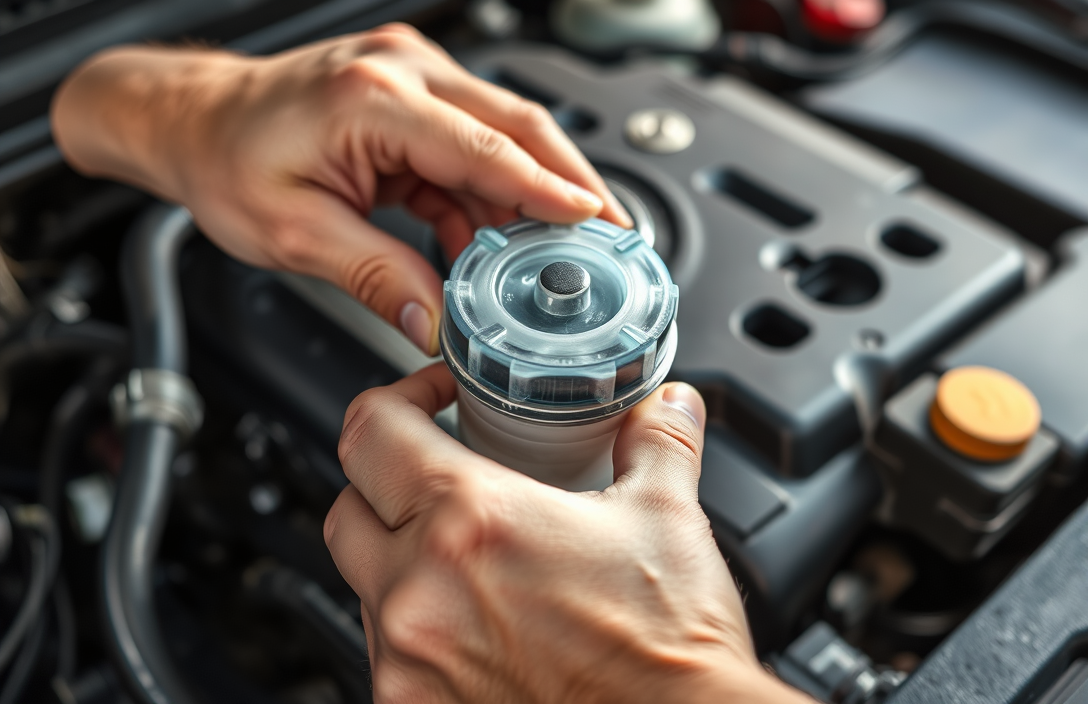
Before starting, ensure that the engine is completely cool to prevent any injuries from hot coolant. Locate the coolant reservoir in your engine bay – it’s usually a translucent plastic tank with a cap labeled for coolant. Twist the cap counter-clockwise to open it, taking care to release any pressure slowly.
Draining Process
With the reservoir cap open, place a drain pan underneath the reservoir to catch the coolant. Some vehicles have a petcock valve at the bottom of the reservoir for easy drainage. If your car has this feature, open the valve by turning it counter-clockwise to allow the coolant to flow out. If there is no valve, you may need to carefully remove the reservoir from its brackets and pour the coolant out manually into the pan. Be cautious to avoid spills.
- Tip: Use a funnel to help guide the coolant into the pan when pouring manually.
Once the reservoir is empty, check for any residue or build-up inside. If necessary, rinse the reservoir with water to clean it thoroughly. After cleaning, ensure all components are dry before reattaching the reservoir or closing the valve. Finally, replace the cap on the reservoir securely.
Ensure proper disposal of the old coolant according to local regulations, as it is toxic and harmful to the environment.
Reservoir Drain: Basic Maintenance
Draining the coolant reservoir removes old fluid from the expansion tank. This process is quick and suitable for regular maintenance.
Benefits:
-
Easy and beginner-friendly
-
Requires minimal tools
-
Helps maintain coolant quality
-
Useful between full flush intervals
However, this method does not remove coolant from the radiator, hoses, and engine block.
Radiator Drain or Full Coolant Flush
A radiator drain removes coolant from the entire system. A full flush pushes out contaminants, rust, and old fluid.
Benefits:
-
Removes more dirt and corrosion
-
Improves cooling performance
-
Recommended every few years
-
Helps prevent overheating
Service centers like Jiffy Lube often recommend full flushes at specific mileage intervals.
When Each Method Is Needed
Choose reservoir draining when:
-
Coolant looks clean but needs refreshing
-
Performing routine maintenance
-
Between full flush services
Choose radiator flushing when:
-
Coolant is dirty or rusty
-
Engine overheats frequently
-
Vehicle has high mileage
-
Manufacturer recommends full service
Using both methods at the correct intervals keeps the cooling system efficient and prevents major engine damage.
Disposing of Used Coolant Responsibly
Environmental Concerns
Draining coolant from your car’s reservoir is a straightforward process, but disposing of it responsibly is essential to protect our environment. Used coolant contains harmful chemicals like ethylene glycol or propylene glycol, which can be toxic to wildlife and contaminate water sources.
Disposal Options
After draining the coolant, never pour it down the drain, onto the ground, or into a septic system. Instead, follow these responsible disposal methods:
- Recycling Centers: Many auto parts stores and service centers offer recycling programs for used coolant. Check with local facilities to ensure they accept coolant for recycling.
- Household Hazardous Waste Programs: Contact your local waste management authority to find out about household hazardous waste collection events. These programs often accept used automotive fluids including coolant.
- Professional Disposal Services: Some companies specialize in the disposal of hazardous materials. They can provide safe and compliant removal of used coolant.
To keep children and pets safe, store used coolant in a sealed, labeled container until you can dispose of it properly. By following these steps, you contribute to a healthier environment and comply with local regulations.
Inspecting and Cleaning the Reservoir
Inspecting and cleaning the coolant reservoir is a straightforward task that ensures your vehicle’s cooling system functions properly. Here’s how you can inspect and clean the reservoir before refilling it with fresh coolant.
Checking for Damage
Before draining the coolant, inspect the reservoir for any signs of damage. Look for cracks, leaks, or discoloration, which can indicate wear and tear. If you notice any damage, it might be time to replace the reservoir to prevent future issues.
Cleaning Tips
Once you’ve confirmed the reservoir is in good condition, it’s time for cleaning. Follow these steps:
- Drain the Coolant: Use a siphon pump or turkey baster to remove the old coolant from the reservoir. Dispose of the coolant responsibly, as it can be hazardous to the environment.
- Rinse with Water: Fill the reservoir with water, swish it around, and then drain. Repeat until the water runs clear, removing any residue or deposits.
- Use a Cleaning Solution: For stubborn stains, mix a solution of water and a small amount of dish soap. Use a soft brush to gently scrub the interior of the reservoir. Avoid using harsh chemicals that could damage the plastic.
- Rinse Thoroughly: Once cleaning is complete, rinse the reservoir several times with clean water to ensure no soap or debris remains.
Tip: Ensure the reservoir is completely dry before refilling it with new coolant to prevent dilution.
After cleaning, reinstall the reservoir, ensuring all connections are secure, and proceed with refilling it with the appropriate coolant for your vehicle.
Refilling the Coolant System
Choosing the Right Coolant
Before refilling the coolant system, it’s essential to select the right type of coolant for your vehicle. Check your car’s manual to determine the recommended coolant type. Commonly, coolants are available in green, orange, and pink colors, each with specific chemical compositions suitable for different engines.
Consider the following when selecting coolant:
- Check if your engine needs a specific color or formula.
- Opt for a pre-diluted 50/50 mix or be prepared to mix with distilled water if purchasing concentrated coolant.
Refill Procedure
Once you’ve selected the correct coolant, it’s time to refill the system. Follow these steps to ensure a smooth refill:
- Ensure the engine is completely cool to avoid burns.
- Locate the coolant reservoir. It’s usually a clear plastic tank with a cap labeled ‘coolant’ or ‘engine coolant’.
- Remove the cap from the coolant reservoir. If there’s a drain plug at the bottom, open it to let any old coolant drain out fully.
- After draining, close the drain plug securely.
- Pour the new coolant into the reservoir until it reaches the ‘Full’ line marked on the side of the tank.
- Replace the cap securely and start the engine. Let it run for a few minutes, checking for leaks and ensuring the coolant level stays stable.
Tip: Always dispose of old coolant safely by taking it to a recycling center or hazardous waste facility.
Quick Summary
- Begin by ensuring your vehicle is on a level surface and the engine is completely cool to avoid burns or other injuries.
- Locate the coolant reservoir, typically a translucent plastic tank near the radiator, and identify the drain plug if present.
- If the reservoir doesn’t have a drain plug, you may need to siphon the coolant out using a turkey baster or similar tool.
- Place a suitable container under the vehicle to catch the old coolant, preventing environmental contamination.
- Carefully remove the reservoir cap to release any pressure and allow the coolant to drain or be siphoned out.
- Dispose of the old coolant responsibly by recycling it at an appropriate facility.
- Refill the reservoir with the correct type and mixture of new coolant, ensuring the level is within the recommended range.
Common Symptoms of Old or Contaminated Coolant
Engine Overheating
If your temperature gauge rises quickly or the engine overheats during normal driving, the coolant may have lost its effectiveness.
Unusual Coolant Smell
A sweet or chemical smell from the engine bay often indicates coolant leaks or fluid breakdown.
Rust, Sludge, or Dirty Coolant
Check the reservoir regularly. Brown, rusty, or thick coolant suggests corrosion or contamination in the cooling system.
Low Coolant Warning Light
Modern vehicles from brands like Toyota and Honda often display dashboard alerts when coolant levels drop.
Frequent Coolant Top-Off
If you add coolant often, it may signal leaks, evaporation, or system inefficiency.
Replacing coolant at the right time helps maintain engine temperature, prevent corrosion, and extend vehicle lifespan.
Frequently Asked Questions
What tools do I need to drain the coolant from the reservoir?
You will need a wrench, a drain pan, and possibly a funnel. Ensure you have gloves and safety goggles for protection.
How do I safely dispose of old coolant?
Old coolant should be taken to a local recycling center or hazardous waste disposal facility. Do not pour it down the drain or on the ground.
Why is it important to drain the coolant from the reservoir?
Draining the coolant helps prevent corrosion, overheating, and ensures the efficiency of your vehicle’s cooling system.
How often should I drain and replace the coolant?
It is generally recommended to replace your coolant every 30,000 to 50,000 miles or as specified by your vehicle’s manufacturer.
Can I just top off the coolant instead of draining it completely?
Topping off the coolant may not effectively remove contaminants and old fluid. Draining and replacing it ensures the system remains clean and efficient.

- Find the Right Engine Oil for Your Car: A Quick Guide - March 1, 2026
- Car Battery Booster Basics: Start Your Vehicle in Minutes - March 1, 2026
- How Long Does It Take To Charge A Motorcycle Battery Charging Time Guide - February 28, 2026