How To Flush A Radiator Step-by-step Diy Guide
Flushing a radiator might seem daunting at first, but with a bit of patience and the right guidance, it can be a straightforward task. Imagine having a car that runs smoothly without overheating, all thanks to a well-maintained radiator.
To flush a radiator, drain the old coolant, clean the system with fresh water, and refill with new coolant. This process helps remove rust, debris, and old antifreeze, ensuring your vehicle’s cooling system operates effectively.
Understanding the Radiator System

Understanding the radiator system is crucial for maintaining your vehicle’s health. Regular maintenance, such as flushing the radiator, ensures your car functions smoothly. Here’s what you need to know about the radiator system and why it’s essential to keep it in good condition.
Purpose of the Radiator
The radiator is a fundamental component of your vehicle’s cooling system. It helps regulate the engine’s temperature by dissipating heat. Coolant flows through the engine, absorbing heat, then passes through the radiator, where it’s cooled down by air flow before circulating back to the engine. This cycle is vital for preventing the engine from overheating and sustaining damage.
Signs of Radiator Issues
Spotting radiator issues early can save you from costly repairs. Here are some signs to watch for:
- Overheating: If your vehicle frequently overheats, it may indicate a radiator problem.
- Coolant Leaks: Puddles of coolant under your car suggest a leak that needs addressing.
- Sludge in Coolant: A rusty or sludgy appearance in the coolant reservoir can signal that a flush is necessary.
- Steam from Hood: This is a clear sign of overheating, often linked to radiator issues.
Regularly flushing the radiator helps remove any build-up of debris and rust, ensuring the coolant flows freely and efficiently. This simple maintenance task can significantly prolong the life of your vehicle and ensure optimal performance.
Gathering Necessary Tools and Materials
List of Tools
Having the right tools makes flushing your radiator a smoother task. Here’s what you’ll need:
- Wrench Set: To loosen and tighten the drain plug and radiator cap.
- Screwdriver: Useful for removing any panels or covers if necessary.
- Hose: A garden hose is ideal for flushing out the old coolant and debris.
- Bucket or Drain Pan: To catch the old coolant as it drains out.
- Funnel: For easy pouring of new coolant into the radiator.
- Gloves: Protect your hands from hot surfaces and chemicals.
- Safety Glasses: Shield your eyes from splashes.
List of Materials
Prepare the necessary materials beforehand to ensure a seamless process:
- Coolant Flush Solution: Available at auto parts stores, it helps clean the radiator’s inside.
- New Coolant: Check your vehicle’s manual for the recommended type and amount.
- Distilled Water: Needed for diluting the coolant or flushing, as it prevents mineral deposits.
Tip: Check your vehicle’s manual for specific requirements related to your car model, including the type of coolant and any specific tools.
Preparing Your Vehicle for a Radiator Flush

Safety Precautions
Before starting a radiator flush, take essential safety measures to ensure a smooth and accident-free process. Always work with a cool engine to prevent burns from hot engine parts or fluids. It’s best to let the car sit for several hours or overnight.
Wear protective gear, such as gloves and safety glasses. This will protect you from accidental splashes of old coolant, which can be harmful to your skin and eyes.
Vehicle Preparation Steps
Getting your vehicle ready for a radiator flush involves a few straightforward steps:
- Locate the Radiator: Open the hood and find the radiator, usually positioned at the front of the engine bay.
- Check the Coolant Level: Inspect the coolant reservoir for the current level. If the radiator is low on coolant, it could indicate a leak that needs addressing before the flush.
- Gather Materials: Ensure you have all necessary supplies, like a drain pan, new coolant, a garden hose, and a funnel. Having everything at hand will make the process efficient.
- Position the Vehicle: Park on a flat, stable surface. This will help when draining the old coolant and avoid spills.
- Disconnect the Battery: For added safety, disconnect the car battery to prevent any accidental electrical issues.
With the vehicle safely prepared, you’re all set to begin the radiator flush. These steps will help ensure that the process is both effective and safe for you and your vehicle.
Draining the Old Coolant
Locating the Drain Plug
Begin by ensuring your vehicle is parked on a flat surface with the engine off and completely cooled. Safety is paramount – wear gloves and safety glasses. Locate the radiator drain plug, often found at the bottom or rear of the radiator. Consult your vehicle’s manual if you’re having trouble finding it.
Draining Process
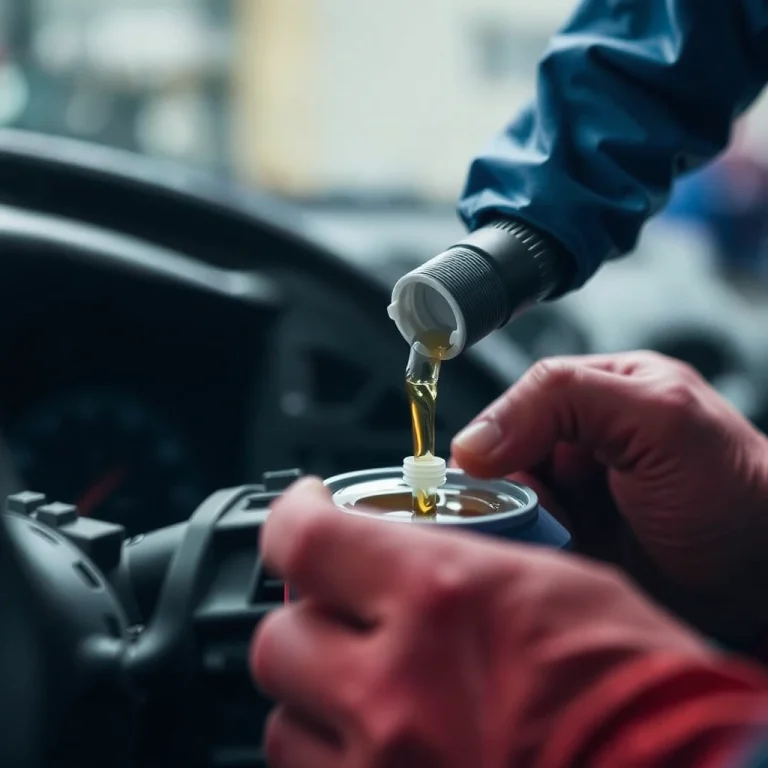
Once the drain plug is identified, place a drain pan beneath it to catch the old coolant. Carefully unscrew the plug using the appropriate tool, such as a wrench or screwdriver, depending on the plug type. Allow the coolant to completely drain from the radiator into the pan.
Tip: If the coolant does not drain smoothly, make sure the radiator cap is removed to allow air flow, which aids in draining.
After the radiator is empty, inspect the drained coolant for debris or rust, which might indicate internal problems. Once drained, securely replace the drain plug. Ensure it’s tightened properly to prevent leaks later.
Remember: Dispose of old coolant responsibly at a recycling center. Do not pour it down the drain as it is toxic to the environment.
Flushing the Radiator

Using a Radiator Flush Solution
Flushing your radiator with a professional solution is a straightforward method. Start by purchasing a radiator flush solution from an auto supply store. Ensure your vehicle is on a level surface and the engine is cool. Remove the radiator cap and pour the flush solution into the radiator. Replace the cap and start the engine, allowing it to run for about 10-15 minutes. This helps circulate the solution, breaking down rust and debris. Afterward, let the engine cool before draining the radiator by opening the drain plug, usually located at the bottom. Make sure to dispose of the old coolant responsibly. Refill the radiator with water, run the engine again, and repeat the drain process to ensure all residues are flushed out. Finally, refill with the appropriate coolant mix.
Alternative Flushing Methods
For those seeking a more natural approach, using distilled water alone can be effective. Begin by draining the radiator of old coolant. Refill the radiator with distilled water, replace the cap, and run the engine for 10-15 minutes. This helps loosen any remaining gunk. Allow the engine to cool before draining the distilled water. You might need to repeat this process until the water runs clear. Another method is using a garden hose. Disconnect the upper radiator hose and insert the hose nozzle. Run water through the system until it flows clear from the bottom drain, ensuring all contaminants are washed out. Remember to refill the system with proper coolant afterward.
Tip: Always read your vehicle’s manual for specific instructions and safety precautions when working on the cooling system.
Refilling the Radiator with Coolant
Choosing the Right Coolant
Before you refill the radiator, ensure you have the correct type of coolant. Check your vehicle’s manual to find the recommended type and mix ratio. Using the wrong coolant can lead to engine damage.
Refilling Steps
Once you have the correct coolant, follow these steps to refill your radiator:
- Prepare Your Area: Ensure the engine is cool and the vehicle is on a level surface. Gather necessary tools and supplies.
- Open the Radiator Cap: Slowly remove the radiator cap to release any residual pressure.
- Mix the Coolant: If using concentrated coolant, mix it with distilled water according to the manufacturer’s instructions.
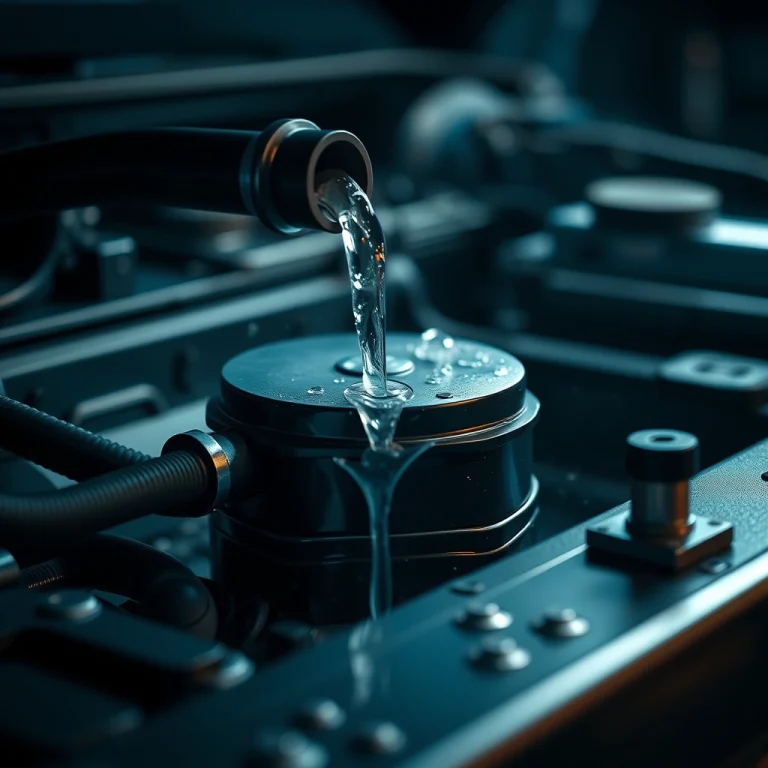
- Refill the Radiator: Pour the coolant mixture into the radiator until it reaches the fill line. Be careful not to overfill.
- Fill the Overflow Tank: Add coolant to the overflow tank up to the ‘Full’ mark.
- Check for Air Pockets: Run the engine with the heater on high to circulate the coolant and remove any air pockets. Monitor the coolant level and top off if necessary.
- Secure the Radiator Cap: Once the engine is off and cool again, check the coolant level and secure the radiator cap tightly.
Tip: Keep extra coolant in your vehicle for emergencies.
Bleeding the Radiator System
Purpose of Bleeding
Bleeding your radiator system is an essential step after flushing to ensure that no air pockets remain in the system. Air pockets can cause uneven heating and reduce the efficiency of your radiator. This simple process helps maintain a consistent heating performance and prolongs the life of your radiator.
Steps to Remove Air Pockets
- Turn off the heating system: Make sure your radiator system is off and completely cooled down to avoid burns.
- Locate the bleed valve: Find the bleed valve on the radiator, usually at the top on one side.
- Prepare your tools: Use a radiator key or a flat-head screwdriver to open the valve. Have a cloth or small container ready to catch any water that might escape.
- Open the bleed valve: Turn the valve slowly counter-clockwise. Listen for a hissing sound, which indicates that air is escaping.
- Watch for water: Once the hissing stops and water starts to trickle out, close the valve by turning it clockwise.
- Check radiator pressure: After bleeding, you may need to adjust the boiler pressure to the correct level.
Tip: Regularly bleeding your radiators-preferably once a year-can help maintain optimal efficiency.
Checking for Leaks and Final Inspection
Inspecting for Leaks
Once you’ve flushed your radiator, it’s important to check for any leaks to ensure everything is running smoothly. Start by visually inspecting around the radiator, hoses, and connections. Look for any signs of dripping coolant or wet spots. If you spot any leaks, tighten the connections or replace any damaged hoses.
After visual inspection, run the engine for a few minutes while parked. This allows the system to pressurize, which may reveal leaks that aren’t visible when the engine is off. Watch for any fresh leaks forming during this time.
Tip: Use a flashlight to thoroughly check under and around the radiator and hoses, as some leaks can be hard to spot.
Final Coolant Level Check
Once you’ve confirmed there are no leaks, it’s time to check the coolant level. Open the radiator cap when the engine is cool, and ensure the radiator is filled to the top. Then, check the overflow tank and ensure it’s at the recommended level, usually marked on the tank itself.
If the coolant level is low, add the appropriate mixture of coolant and water. Make sure to use the type of coolant specified in your vehicle’s manual.
After topping up, replace the radiator cap securely. Run the engine again and check the levels once more after a few minutes, as air bubbles may have escaped, causing the level to drop slightly.
Tip: Keep extra coolant on hand for future top-ups, especially if you notice the level dropping frequently.
Quick Summary
- Begin by ensuring your vehicle is parked on a level surface and the engine is cool to prevent burns and other injuries.
- Gather necessary tools and materials: a drain pan, a funnel, a radiator flush solution, and a garden hose.
- Locate the radiator drain plug and place a drain pan underneath before opening it to allow the old coolant to completely drain out.
- Close the drain plug and fill the radiator with water and the radiator flush solution, then run the engine for about 10-15 minutes with the heater on, allowing the solution to circulate.
- Turn off the engine, let it cool, then open the drain plug again to drain the flush solution and all residues.
- Rinse the system thoroughly by running clean water through the radiator until it runs clear, ensuring no flush solution remains.
- Refill the radiator with a mixture of fresh coolant and distilled water, then run the engine again with the heater on to remove air pockets.
Frequently Asked Questions
How often should I flush my radiator?
It’s recommended to flush your radiator every 1-2 years, depending on your vehicle’s make and model. Check your owner’s manual for specific guidelines.
What tools do I need to flush a radiator?
You’ll need a wrench, a bucket, a hose, and a radiator flush solution. Having a funnel and gloves can also be helpful for cleaner handling.
Can I use water instead of a radiator flush solution?
While water can help remove some debris, a radiator flush solution is designed to clean more thoroughly and remove rust and deposits. It’s best to use a specialized solution for optimal results.
What should I do if my radiator is overheating even after flushing?
If overheating persists, there might be other issues like a faulty thermostat, water pump, or radiator cap. Consider consulting a professional mechanic for a thorough inspection.
Is it safe to flush a radiator myself or should I hire a professional?
Flushing a radiator can be a simple DIY task if you’re comfortable with basic car maintenance. If unsure, or if your vehicle has complex systems, seeking professional help is advisable.

- Find the Right Engine Oil for Your Car: A Quick Guide - March 1, 2026
- Car Battery Booster Basics: Start Your Vehicle in Minutes - March 1, 2026
- How Long Does It Take To Charge A Motorcycle Battery Charging Time Guide - February 28, 2026