How To Inspect Brake Pads For A Safe And Smooth Ride
Ensuring your vehicle’s brake pads are in good condition is key to safe driving. Regular inspection helps you detect wear early, avoiding costly repairs and ensuring safety.
Key Points: Locate the brake pads, check thickness, look for wear indicators, and listen for unusual noises.
Understanding Brake Pad Functions

Role of Brake Pads in Vehicle Safety
Brake pads are essential for ensuring your vehicle stops safely and efficiently. They work by pressing against the brake rotor, creating friction that slows down or stops the wheels. This process is crucial for controlling your car’s speed and preventing accidents.
Without properly functioning brake pads, your stopping distance increases significantly, which can be dangerous in emergency situations. Regular inspection of your brake pads is necessary to maintain optimal safety for you and others on the road.
Types of Brake Pads
Understanding the different types of brake pads can help you make informed decisions when it’s time for replacement. Here are the main types:
- Semi-metallic: Made from a mix of metals, these pads are durable and offer excellent heat dissipation. They are often recommended for high-performance vehicles.
- Ceramic: Known for being quiet and producing less dust, ceramic pads are ideal for everyday driving. They provide a smooth braking experience and are gentle on the rotors.
- Organic (or Non-asbestos Organic, NAO): Composed of organic fibers, these pads are typically quieter and more budget-friendly but may wear faster under heavy use.
- Low-metallic NAO: These pads include small amounts of metal to improve performance. They offer a balance between the benefits of semi-metallic and organic pads.
Choosing the right type of brake pad depends on your driving habits, the climate you live in, and your vehicle’s specific needs. Regular checks and timely replacements will ensure that your brake pads continue to function effectively.
Signs of Worn Brake Pads
Noise Indicators
Listen carefully when applying the brakes. A high-pitched squeaking or squealing sound often means brake pads are wearing thin. This sound usually comes from a small metal shim, called an indicator, which contacts the rotor. If you hear grinding, it may indicate severe wear, causing metal-to-metal contact.
Visual Wear Indicators
Inspecting brake pads visually can be straightforward. Look through the wheel spokes to spot the brake pads. They should be at least a quarter-inch thick. If they appear thinner, consider replacing them. Also, check for uneven wear, which might suggest a problem with the caliper or rotor.
Performance Changes
Pay attention to how your vehicle behaves while braking. A longer stopping distance or a spongy brake pedal feel may indicate worn pads. Additionally, if the car pulls to one side when braking, it could be another sign of uneven wear.
Tip: Regularly scheduled maintenance can prevent brake pad issues from escalating into costly repairs.
Tools Required for Brake Pad Inspection

Basic Tools
Inspecting brake pads requires some specific tools to make the process efficient and safe. Here’s a list of what you’ll need:
- Jack and Jack Stands: A sturdy car jack and stands are essential for safely lifting the vehicle and keeping it stable while you work.
- Lug Wrench: Use this to remove the wheel nuts and take off the wheels, giving you access to the brake pads.
- Flashlight: A good flashlight helps you clearly see the brake pad condition, especially if you’re working in a dimly lit area.
- Measuring Gauge: A brake pad thickness gauge allows you to measure the remaining material on the pads accurately.
- Caliper Tool: If you need to replace the pads, a caliper tool helps retract the piston to accommodate new pads.
Safety Equipment
Prioritizing safety is crucial when inspecting brake pads. Ensure you have the following equipment:
- Gloves: Protect your hands from dirt, grease, and sharp edges with a sturdy pair of gloves.
- Safety Glasses: Eye protection is important to shield against any debris or accidental splashes of brake fluid.
- Wheel Chocks: These prevent the car from rolling while it is lifted, providing an additional layer of safety.
Tip: Always check that your tools are in good condition and replace any worn or damaged equipment before starting.
Preparing for a Brake Pad Inspection
Vehicle Preparation
Before inspecting your brake pads, ensure your vehicle is parked on a flat, stable surface. This stability is crucial for safety when lifting the vehicle. Engage the parking brake and switch off the engine to prevent any accidental movement.
Gather the necessary tools for the inspection – this typically includes a jack, jack stands, a lug wrench, and a flashlight. Having everything ready will make the process smoother and safer.
Safety Precautions
Safety should always be your top priority when working on a vehicle. Wear safety gloves and goggles to protect your hands and eyes from debris and dust. Make sure the area is well-lit and free of clutter to avoid tripping or knocking over tools.
When lifting the vehicle, use a jack to raise it and secure it with jack stands. Never rely solely on the jack, as it may fail. Verify the stability of the vehicle before proceeding with the inspection.
Tip: Always check your vehicle’s manual for any specific instructions or precautions related to brake maintenance.
Step-by-Step Brake Pad Inspection

Removing the Wheel
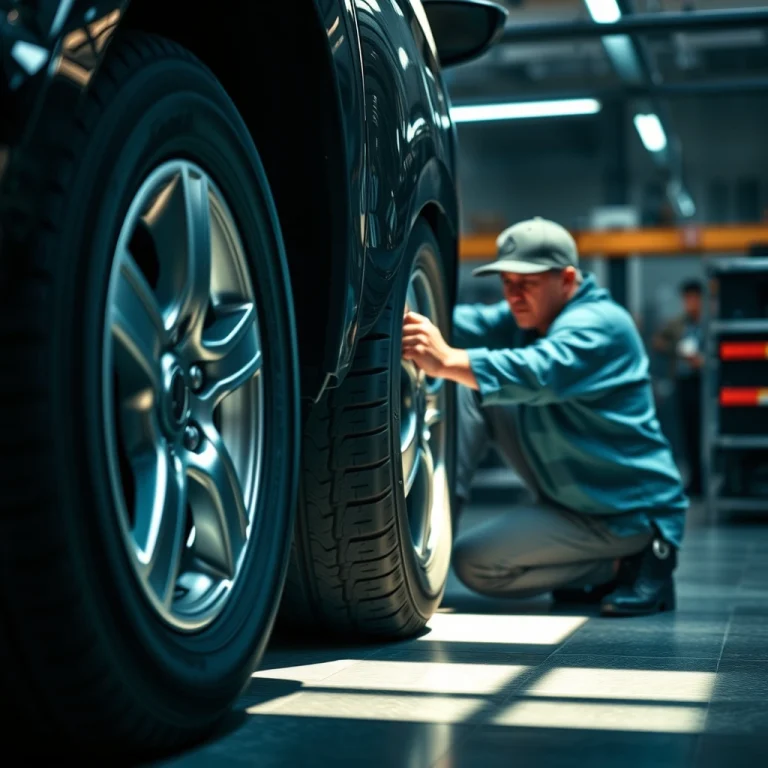
Start by parking your car on a level surface and engage the parking brake. Loosen the lug nuts on the wheel you wish to inspect while the vehicle is still on the ground. Use a jack to lift the car and secure it on jack stands. Completely remove the lug nuts and take off the wheel to access the brake components.
Inspecting the Brake Pads
With the wheel removed, locate the brake caliper. The brake pads are housed within the caliper. If your vehicle has an inspection window on the caliper, you can view the pads directly. Look for uneven wear, cracks, or chips in the pad material. These are signs that the pads may need replacing.
Measuring Brake Pad Thickness
To measure the thickness of the brake pads, use a brake pad gauge or a simple ruler if a gauge is unavailable. The minimum thickness for most brake pads is around 3 millimeters (mm). If the pad is thinner than this, consider replacing it soon. New pads are typically 10 to 12 mm thick.
Tip: Always check the manufacturer’s specifications for the recommended minimum thickness of your brake pads.
Once the inspection is complete, reassemble the components in the reverse order. Ensure the lug nuts are tightened securely, and remove the jack stands before lowering the vehicle back to the ground.
Interpreting Inspection Results
Determining Pad Condition
Inspecting your brake pads involves checking their thickness and surface condition. Most brake pads start around 10-12mm thick. If the pads are worn down to about 3mm, it’s time to consider replacement. Look for uneven wear, which might indicate a caliper issue or misalignment.
Also, examine the surface of the pads for cracks or glazing (a shiny, smooth surface). These signs suggest that the pads may have overheated and lost effectiveness.
When to Replace Brake Pads
Replacing brake pads is necessary when they are too thin, show signs of damage, or if you hear a screeching or grinding sound. Some brake pads have a built-in wear indicator, a small metal tab that creates a squeal when the pads are worn. This noise is a clear signal for replacement.
Checklist for Replacement:
- Thickness less than 3mm
- Cracks or glazing on the pad surface
- Uneven wear patterns
- Consistent squealing or grinding sounds
- Vibration during braking
Tip: Regular checks can prevent costly damage to rotors and ensure safety.
By staying vigilant and replacing your brake pads when necessary, you maintain your car’s safety and performance. If unsure, consult with a professional mechanic to ensure accurate diagnosis and replacement.
Common Mistakes to Avoid
Improper Tool Use
Using the wrong tools can lead to inaccurate assessments or damage to brake components. To avoid this, make sure you have a basic set of tools such as a flashlight, jack, jack stands, and a brake pad thickness gauge. A common mistake is using a regular ruler instead of a thickness gauge, which can result in incorrect measurements. Solution: Always use a thickness gauge specifically designed for brake pads.
Neglecting Safety
Safety should always be your first priority. A significant oversight is failing to properly secure the vehicle before starting. Ensure the car is on a flat surface and use wheel chocks to prevent any movement. Solution: Double-check that your car is securely lifted and stable on jack stands before inspecting.
Misjudging Pad Wear
Estimating brake pad wear solely by eye can lead to misjudgments. Pads may appear thicker than they actually are due to uneven wear. Solution: Measure the thickness of the pads using the brake pad thickness gauge. Replace the pads if they are below the manufacturer’s recommended thickness, usually around 3mm.
Tip: Always refer to your vehicle’s manual for specific guidelines related to your model.
By focusing on these areas, you can confidently inspect your brake pads and ensure your safety on the road. Remember, accurate inspection is not only about having the right tools but also about applying the right techniques with caution.
When to Seek Professional Help
Complex Cases
If you notice any unusual sounds like grinding, squealing, or clicking when applying the brakes, it may be time to consult a professional. These sounds can indicate worn-out brake pads or even more significant issues with the braking system. Also, if your vehicle’s brake warning light is illuminated on the dashboard, a professional evaluation is advisable to diagnose the underlying cause.
Lack of Tools or Experience
Inspecting brake pads requires some specific tools, such as a car jack, lug wrench, and in some cases, a brake pad gauge. If you’re not comfortable using these tools or lack experience in car maintenance, it’s best to seek professional help. Mechanics have the expertise and equipment to safely assess and replace brake pads, ensuring your vehicle’s safety.
Remember, brakes are a critical safety feature of your vehicle. If there’s any doubt about their condition or your ability to inspect them, opting for professional assistance ensures peace of mind and safe driving.
Quick Summary
- Regularly inspect brake pads for wear to ensure safe driving conditions. Look for any signs of thinning or uneven wear.
- Listen for unusual noises such as screeching or grinding, which may indicate worn brake pads needing immediate attention.
- Check brake pad thickness visually or with a gauge; replace them if they are less than a quarter of an inch thick.
- Ensure that the brake pad surface is smooth and free of deep grooves or cracks, which may affect braking performance.
- Inspect for brake dust accumulation on wheels, as excessive dust can be a sign of worn-out brake pads.
- Pay attention to vehicle vibrations during braking, which may suggest brake pad issues or rotor problems.
- Consult your vehicle’s manual for specific recommendations on brake pad inspection intervals and replacement guidelines.
Frequently Asked Questions
How often should I inspect my brake pads?
It’s a good idea to check your brake pads every 10,000 miles or during routine tire rotations. If you hear squeaking or notice decreased braking performance, inspect them sooner.
What signs indicate my brake pads need replacing?
Look for squealing noises, a grinding sound, or reduced braking efficiency. If the brake warning light is on, it’s time for an inspection.
Can I check brake pads without removing the wheels?
Yes, you can often see the brake pads through the wheel spokes. Use a flashlight to inspect the thickness of the pads; if they’re less than 1/4 inch, consider replacing them.
What tools do I need to inspect my brake pads?
You’ll need a flashlight and possibly a ruler to measure pad thickness. For a more thorough check, a jack and lug wrench may be needed to remove the wheels.
Is it safe to drive with worn brake pads?
Driving with worn brake pads is not safe as it reduces braking efficiency and can damage the rotors. Replace them as soon as possible to maintain safe driving conditions.

- Find the Right Engine Oil for Your Car: A Quick Guide - March 1, 2026
- Car Battery Booster Basics: Start Your Vehicle in Minutes - March 1, 2026
- How Long Does It Take To Charge A Motorcycle Battery Charging Time Guide - February 28, 2026