How to Know If Battery or Alternator Is Bad (Symptoms & Easy Tests)
When a car won’t start or the dashboard lights begin to flicker, many drivers wonder how to know if battery or alternator is bad.
Both parts are essential to your vehicle’s electrical system, and their symptoms often overlap making diagnosis confusing.
This guide clearly explains the difference between a battery or alternator problem, breaks down car battery vs alternator symptoms, and helps you identify the real cause before you replace the wrong part.
1. How the Car Battery and Alternator Work Together
The relationship between a car battery and an alternator is cyclical and symbiotic. The role of the car battery in starting the engine is to act as a storage tank of chemical energy.
When you turn the ignition, the battery releases a massive high-voltage burst to the starter motor to physically crank the engine.
Once the engine is “fired up” and running, the battery’s primary job is finished, and it transitions into a secondary role as a voltage stabilizer.
Conversely, what the alternator does while the engine is running is take over as the vehicle’s primary power plant. Driven by a belt connected to the engine, the alternator generates electricity to power your headlights, radio, and fuel injection system.
Simultaneously, it sends a “trickle charge” back into the battery to replenish the energy used during the start.
This is why a failing alternator can damage a good battery; if the alternator overcharges the battery or fails to provide enough current, it forces the battery to stay in a constant state of discharge, eventually leading to a battery or alternator problem that leaves you stranded.
2. How to Know If Battery or Alternator Is Bad
When your car won’t start, identifying how to know if battery or alternator is bad is the first step toward a fix. Key warning signs that point to battery failure usually involve the car struggling to start but running fine once it is jumped.
If you hear a rapid clicking sound or see a swollen battery case, the battery is likely the culprit. Because batteries have a limited chemical lifespan, these symptoms often appear simply because the battery can no longer hold the charge the alternator is providing.
On the other hand, symptoms that usually indicate alternator failure occur while you are actually driving. If your headlights dim and then brighten as you rev the engine, or if you smell burning rubber or hear a growling noise from the engine bay, the alternator is likely failing to generate power.
Why both can fail at the same time is due to “consequential damage”: a dead battery forces the alternator to work at 100% capacity constantly to keep up, causing it to overheat and burn out, while a faulty alternator can “starve” a battery until its internal cells are permanently damaged.
The Tug-of-War Under Your Hood
Determining how to know if your car battery is dying often requires looking at the bigger picture of your vehicle’s charging system. Many drivers assume that a car that won’t start always has a dead battery, but the battery is only one half of the equation. Your vehicle relies on a delicate balance between the battery (the “starter”) and the alternator (the “sustainer”).
When this balance is disrupted, you may experience flickering lights, stalled engines, or the dreaded “dead silence” upon ignition.
By understanding the specific symptoms of a battery or alternator problem, you can avoid unnecessary part replacements and get back on the road with confidence. This guide will walk you through the technical differences and the quick tests you can perform to identify the root cause of your electrical woes.
Diagnostic Comparison Table
| Feature | Battery Failure Signs | Alternator Failure Signs |
| Starting | Slow crank or rapid clicking | Engine starts but stalls shortly after |
| Dashboard | Battery warning light stays on | Battery light or “ALT” light appears |
| Headlights | Dim/Yellow before starting | Flickering or dimming while driving |
| Physical Sign | Corrosion or bloating | Burning smell or whining noise |
3. Car Battery Symptoms (Signs of a Bad Battery)
The most immediate way to identify a bad car battery is by listening to the ignition. A healthy battery provides enough $12.6\text{V}$ of pressure to spin the starter motor rapidly. If the battery is weak, the engine will groan or “rur-rur-rur” slowly as it struggles to overcome internal friction. If the battery is almost completely dead, you will hear a rapid-fire clicking sound; this is the starter solenoid engaging and disengaging because it lacks the amperage to keep the connection closed.
Car Won’t Start But Lights Still Turn On
It is a common misconception that if the lights work, the battery must be fine. However, it takes very little energy to power a dashboard bulb or a radio, but it takes massive amounts of current to turn over a heavy engine. This is a key distinction in car battery vs alternator symptoms: if your interior electronics function but the car refuses to crank, the battery has likely lost its “Cold Cranking Amps” (CCA) capacity while retaining a small, useless surface charge.
Battery Dies Overnight or After Sitting
A dying battery suffers from “parasitic loss” or internal discharge. While a healthy battery can hold its charge for weeks, a battery with failing internal cells will bleed energy even when the car is completely off. If your car starts fine after a long drive (when the alternator has just filled it) but is dead the next morning, the battery has lost its ability to chemically “trap” electricity.
Swollen Battery Case or Corrosion on Terminals
These are the physical “red flags” of a battery in distress. A swollen case is a sign of extreme heat or overcharging, causing the lead plates to expand and the plastic to warp. Similarly, heavy white or blue corrosion on the terminals acts as a barrier, preventing electricity from flowing into the car. These physical traits are specific car battery symptoms that rarely relate to the alternator itself.
Decoding Your Car’s Electrical Cry for Help
Understanding how to tell if your car battery is dying is the first step in avoiding a stressful breakdown. Your car is a complex machine where the electrical system acts as the nervous system, and the battery is the heart that pumps life into it. When that heart weakens, the symptoms can range from subtle dimming of the dashboard to the total silence of a dead engine.
Many drivers find themselves confused when faced with a vehicle that won’t start, often questioning the car battery vs alternator symptoms. Is the battery failing to hold a charge, or is the alternator failing to provide one? By learning to identify the specific visual and audible warnings from the “rotten egg” smell of a leaking case to the labored crank of a cold morning you can diagnose the problem with the precision of a professional mechanic.
To accurately diagnose your vehicle, you must understand that the alternator is the “generator” of your car. While battery issues usually prevent the car from starting, alternator issues usually cause the car to fail while it is already in motion.
4. Alternator Symptoms
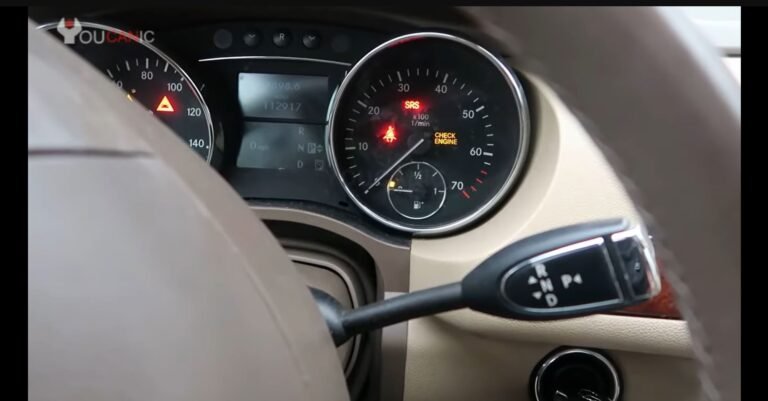
Battery Warning Light Stays On
While it looks like a battery, the dashboard warning light is actually a monitor for the charging system’s voltage. If the alternator’s output falls below or rises above a specific limit (typically $13V$ to $14.5V$), the light triggers. This is one of the most reliable car battery vs alternator symptoms; if this light flickers while you are driving, the alternator is failing to maintain the electrical load.
Headlights Dim or Flicker While Driving
Because the alternator provides the primary power for your lights while the engine is running, any fluctuation in its health is visible in the beams. If your headlights seem dim at a stoplight but brighten when you rev the engine, the alternator is struggling to produce enough current at low RPMs. Flickering suggests an internal component called the voltage regulator is failing.
Electrical Accessories Stop Working
Modern cars are designed with a “load shedding” priority list. When an alternator begins to die, the car’s computer will start cutting power to non-essential systems to preserve electricity for the spark plugs and engine timing. You might notice the heated seats turn off, the radio display goes dark, or the power windows move at a snail’s pace.
Burning Smell or Whining Noise from Engine Bay
The alternator is a mechanical part driven by a rubber serpentine belt and contains spinning internal bearings. If you smell burning rubber, the alternator pulley may be seizing, causing the belt to friction-burn. A high-pitched whining or “growling” noise usually indicates that the internal bearings have worn out, a physical sign that the unit is near total failure.
Car Stalls While Driving
This is the most dangerous symptom of a failing alternator. Your engine requires electricity to keep the fuel injectors firing and the spark plugs sparking. If the alternator dies completely while you are on the road, the car will draw power from the battery until it is totally depleted. Once the battery hits zero, the engine will simply shut off, often leaving you without power steering or power brakes.
The Silent Powerhouse of Your Vehicle
When people ask how to know if battery or alternator is bad, they are often dealing with a car that feels “haunted” by electrical ghosts. While the battery is the hero during the first three seconds of your commute, the alternator is the silent powerhouse that carries the load for the rest of the journey.
An alternator failure is often more deceptive than a dead battery because it can mimic battery symptoms while slowly “starving” the battery of charge. Understanding the difference between these two components is crucial; a battery provides the spark, but the alternator provides the stamina. By recognizing the warning signs—from a whining engine bay to a dimming dashboard—you can identify an alternator problem before it results in a dangerous stall in the middle of traffic.
Quick Comparison: Battery vs. Alternator
| Symptom | Points to Battery | Points to Alternator |
| When it happens | Mostly during startup | While the engine is running |
| Dash Light | Usually off until start fails | Stays on or flickers while driving |
| The “Jump” Test | Car runs fine after a jump | Car dies shortly after removing cables |
| Noises | Rapid clicking | Whining or grinding |
5. Car Battery vs Alternator Symptoms
The most confusing part of diagnosis is the “overlap zone.” Both a failing battery and a failing alternator will result in a car that refuses to start or a battery that appears “dead.” In both cases, you will hear the slow engine crank or the rapid clicking of a starving starter motor. This happens because even if the battery is brand new, a broken alternator won’t charge it, leaving it empty. Conversely, even a perfect alternator cannot “fill” a battery that has internal damage. This overlap is why many drivers mistakenly replace a good battery when the alternator was actually the culprit.
Symptoms Unique to the Battery
There are several car battery vs alternator symptoms that point specifically to the “storage tank.” Physical signs like a swollen battery case or heavy corrosion on the terminals are almost exclusively battery issues. Another unique sign is the “time-based” failure: if the car starts perfectly after a long drive but dies after sitting overnight, the battery is failing to retain its charge. Furthermore, if you jump-start the car and it runs perfectly for the rest of the day without stalling, the alternator is likely doing its job, but the battery’s health is compromised.
Symptoms Unique to the Alternator
Unique alternator signs usually manifest while the vehicle is in motion. If you experience dimming or flickering headlights that change intensity when you press the gas pedal, the alternator’s voltage regulator is failing. Audible cues like a whining or grinding noise from the front of the engine suggest the alternator’s internal bearings are worn. Most importantly, if the car stalls while driving or if the battery warning light flickers on the highway, the alternator is failing to provide the constant current required to keep the engine’s computer and fuel system alive.
Simple Comparison Table (Car Battery vs Alternator Symptoms)
| Feature | Car Battery Failure | Alternator Failure |
| Primary Sign | Car won’t start; needs a jump. | Car starts but dies while driving. |
| Dashboard | Battery light on before starting. | Battery light on while driving. |
| Interior Lights | Dim only when engine is off. | Flicker or fade while engine is running. |
| Sounds | Rapid clicking at ignition. | Whining or growling from engine bay. |
| Smell | Rotten eggs (leaking acid). | Burning rubber (belt friction). |
Showdown Battery or Alternator?
When you’re stuck in your driveway, the question of car battery vs alternator symptoms becomes the most important puzzle to solve. These two parts are the “Yin and Yang” of your car’s electrical health: the battery provides the initial surge of life, while the alternator sustains that life throughout your journey.
Identifying which one has failed is the difference between a quick $150 battery swap and a more intensive $500 alternator replacement. While they often display similar “dead car” behaviors, a closer look at when and
When you are stranded in your driveway, determining if you have a battery or alternator problem doesn’t always require a professional mechanic. By performing a few logical checks, you can isolate the faulty component and save yourself an unnecessary tow.
6. Battery or Alternator Problem?
The jump-start test is the most common diagnostic tool for a suspected battery or alternator problem. If you connect your car to a second vehicle and it starts immediately, you have successfully bypassed the battery.
-
Battery Issue: If the car stays running after you disconnect the jumper cables and drives normally, the battery was simply discharged or can no longer hold a start-charge.
-
Alternator Issue: If the car starts with the cables connected but dies shortly after you remove them, the alternator is failing to provide the electricity needed to keep the engine running.
Voltage Test Using a Multimeter
A multimeter is the most accurate way to settle the car battery vs alternator symptoms debate.
-
Test 1 (Engine Off): Touch the probes to the battery terminals. A healthy battery should read 12.6V. If it reads below 12.2V, it isn’t fully charged.
-
Test 2 (Engine Running): Start the car and test again. The reading should jump to between 13.5V and 14.7V. If the voltage stays at 12V or drops while the engine is running, your alternator is not charging the system.
What Happens When You Disconnect the Battery (Myth vs. Reality)
There is an old “shade-tree mechanic” trick where you pull the negative terminal off the battery while the engine is running to see if it stays alive.
-
The Myth: If the car stays running, the alternator is good; if it dies, the alternator is bad.
-
The Reality: Do not do this on modern cars. Modern vehicles rely on the battery to act as a “surge protector” for the engine’s computer (ECU). Disconnecting the battery while the alternator is spinning can cause a massive voltage spike that fries expensive electronic modules. Use a multimeter instead; it’s safer and more accurate.
When DIY Testing Isn’t Enough
Sometimes, a battery or alternator problem is hidden deep within the wiring. If your voltage readings are inconsistent, or if you have a “parasitic draw” (something draining the battery while the car is off), home testing may reach its limit. Professional shops use Load Testers that can simulate the stress of a cold winter start, which a standard multimeter cannot do. If you’ve replaced the battery and the symptoms persist, you may have a blown “mega-fuse” or a loose ground wire that requires a professional’s diagnostic computer.
Taking Control of Your Car’s Health
Identifying a battery or alternator problem can feel like a guessing game, but it’s actually a process of elimination. Before you spend money on a mobile mechanic or a new part, there are several “at-home” diagnostics that can provide instant clarity.
By using simple tools like jumper cables and a basic multimeter, you can “interrogate” your car’s electrical system to find the weak link. Whether it’s a battery that has lost its chemical capacity or an alternator that has stopped generating current, these tests move you from guessing to knowing. This section focuses on practical, safe methods to help you decide your next move—whether that’s a quick trip to the auto parts store or a more serious call to the repair shop.
Quick DIY Results Table
| If You… | And the Car… | It Likely Means… |
| Jump start the car | Runs fine for 20+ minutes | Battery is weak/old. |
| Jump start the car | Dies within seconds | Alternator is failed. |
| Check Multimeter | Shows < 12.2V (off) | Battery needs a charge/replacement. |
| Check Multimeter | Shows < 13V (running) | Alternator is not outputting power. |
To help you avoid the high costs of roadside emergencies, it is vital to understand the risks of neglecting these components and how to budget for their eventual replacement.
7. What Happens If You Drive With a Bad Battery or Alternator
Risks of Driving With a Failing Alternator
Driving with a failing alternator is a race against time. Because the alternator is responsible for powering the ignition system and fuel pumps while the engine is running, a failure means your car is drawing its entire electrical life from the battery. Once the battery’s reserve is exhausted, the engine will stop firing, which could happen while you are at highway speeds, potentially leaving you in a dangerous situation without power steering.
Can a Bad Alternator Kill a New Battery?
Yes, a faulty alternator is one of the quickest ways to destroy a brand-new battery. If the alternator’s voltage regulator fails, it may “overcharge” the battery, boiling the internal acid and warping the lead plates. Conversely, if it undercharges, the new battery will be forced into a deep-discharge state it wasn’t designed for, leading to permanent chemical damage known as sulfation.
Safety Concerns and Breakdown Risks
The primary safety concern of a battery or alternator problem is the loss of critical safety systems. If the voltage drops too low while driving, your headlights will dim significantly, and your ABS (Anti-lock Braking System) or airbag modules may disable themselves due to insufficient power. This makes a charging system failure not just a mechanical nuisance, but a legitimate road safety hazard.
Long-term Electrical Damage
Consistent low voltage puts immense stress on every electrical component in your vehicle. Sensitive electronics, such as the Engine Control Unit (ECU) or the infotainment system, can suffer “brownout” damage where low current causes internal circuits to overheat or glitch. Over time, ignoring a failing alternator can lead to a cascade of electrical failures that are far more expensive to fix than the original part.
8. When to Replace the Battery vs When to Replace the Alternator
Average Lifespan of Car Batteries
Most standard lead-acid car batteries have a reliable lifespan of three to five years. This is a chemical reality; the lead plates inside simply cannot sustain the necessary reactions indefinitely. If your battery is nearing its fourth year, you should begin testing it regularly, as its efficiency will drop sharply regardless of how well the rest of the car is maintained.
Average Lifespan of Alternators
Alternators are mechanical rather than chemical, so they typically last much longer—usually between 80,000 and 150,000 miles, or about seven to ten years. Their lifespan is largely determined by the health of the bearings and the internal brushes. If you have reached 100,000 miles on your original alternator, it is a prime candidate for failure even if it currently seems to be working.
Cost Comparison (Battery vs Alternator Replacement)
There is a significant price gap between these two repairs. A new car battery typically costs between $100 and $250 and can often be installed by the owner in fifteen minutes. An alternator replacement is a more intensive mechanical job, usually costing between $400 and $800 depending on the vehicle’s complexity and labor rates. Because the alternator is more expensive, it is essential to confirm it is actually broken before ordering the part.
When Replacement Is Unavoidable
Replacement is unavoidable when the components fail their respective tests. If a battery cannot hold a charge of 12.6V after being fully recharged, it is chemically dead. If an alternator cannot output at least 13.5V while the engine is under load (lights and A/C on), the internal diodes or regulator have failed. In either case, “patching” the issue with a jump start is only a temporary fix that will eventually leave you stranded.
Prevention is Better Than a Tow Truck
When navigating a battery or alternator problem, the stakes are often higher than just a car that won’t start. Your vehicle’s charging system is an integrated network where the health of one part directly dictates the survival of the other. Understanding how to tell if your car battery is dying versus knowing when your alternator is failing is the key to proactive vehicle ownership.
By recognizing the average lifespans of these parts and the risks associated with driving while they are compromised, you can make informed decisions about your car’s maintenance. Whether it is the chemical expiration of a four-year-old battery or the mechanical wear of a high-mileage alternator, knowing when to replace these parts can save you from the danger of a highway stall and the compounding costs of long-term electrical damage.
To finalize your comprehensive guide on identifying a battery or alternator problem, this section addresses the most common points of confusion for drivers and provides a clear roadmap for your final diagnostic decision.
9. Frequently Asked Questions
Can a bad alternator cause a dead battery?
Absolutely. The alternator is the battery’s only source of “food.” If the alternator fails, the battery is forced to provide all the electrical power to run the engine’s computers, fuel pumps, and ignition coils. A healthy battery will be completely drained within minutes of an alternator failure. Furthermore, if the alternator’s voltage regulator breaks, it can “overcharge” the battery, literally boiling the internal fluids and killing it permanently.
Will a car run with a bad battery but good alternator?
Technically, yes, but only after it has been started. Once the engine is running, the alternator provides the electricity needed for the vehicle’s operation. However, modern cars are highly sensitive to voltage fluctuations; a completely dead or shorted battery can act as a “sink” that pulls too much power, causing the alternator to overheat or the car’s electronics to glitch and stall. It is never recommended to rely on the alternator to keep a car with a bad battery running.
How long can you drive with a failing alternator?
You can usually drive for only 20 to 60 minutes once the alternator stops charging, though this depends entirely on the battery’s reserve capacity and your electrical load. If you turn off the radio, A/C, and headlights, you might squeeze out a few extra miles. However, once the battery voltage drops below about 10V, the engine’s computer will lose power and the car will shut off regardless of your speed.
Why does my battery keep dying after replacement?
If you have a brand-new battery and it keeps dying, you likely have a battery or alternator problem elsewhere in the system. The most common culprits are a failing alternator that isn’t recharging the new battery or a “parasitic draw.” A parasitic draw occurs when an electrical component—like a trunk light, glovebox lamp, or faulty alarm system—stays on after the car is turned off, slowly “vampiring” the energy out of your new battery overnight.
10. Final Verdict
To make a fast diagnosis, look for these “smoking guns.” If the car only fails to start but runs perfectly once it is jumped, the battery is the prime suspect. If the car starts but you notice dimming lights, a battery warning light on the dash while driving, or a high-pitched whining sound from the engine, the alternator has likely failed. Physical signs like a swollen battery case or a burning rubber smell are also immediate giveaways for the battery and alternator, respectively.
Clear Decision Path: Battery or Alternator Problem
The most effective decision path is the “Jump-Start Observation.” Jump-start the vehicle and let it run. If you remove the cables and the car continues to run for a long period without issue, your alternator is working, and the battery needs replacing. If the car dies or the dashboard lights fade out the moment you remove the jumper cables, the alternator is not producing power and is the part that must be replaced.
Recommendation to Test Before Replacing Parts
Before spending money on expensive parts, always perform a “Load Test.” Most auto parts stores will test both your battery and your alternator for free using a professional diagnostic tool. This is crucial because a simple loose wire or a blown $5 fuse can sometimes mimic the symptoms of a $500 alternator failure. Always verify the failure with a multimeter or a professional test to ensure you are fixing the actual root cause of your battery or alternator problem.

- Find the Right Engine Oil for Your Car: A Quick Guide - March 1, 2026
- Car Battery Booster Basics: Start Your Vehicle in Minutes - March 1, 2026
- How Long Does It Take To Charge A Motorcycle Battery Charging Time Guide - February 28, 2026