
How To Know When You Need An Oil Change For Smooth Driving
Imagine you’re on a long road trip, the open road stretching out before you, but suddenly, your car starts making strange noises. Could it be time for an oil change? Knowing when to change your oil can prevent this scenario and keep your car running smoothly.
An oil change is needed when your car’s engine oil is old or low. Look for warning lights, check your oil level, and follow your vehicle’s manual for recommended intervals. Staying attentive to these signs will help maintain your car’s performance and longevity.
Understanding Oil’s Role in Your Vehicle

To keep your vehicle running smoothly, understanding when to change your oil is key. This ensures your engine stays healthy, providing better performance and extending the life of your car.
Why oil is crucial
Engine oil acts as the lifeblood of your vehicle, reducing friction between moving parts, cleaning dirt and sludge, and preventing overheating. Without it, your engine would overheat and parts could wear out rapidly.
Types of engine oil
Choosing the right type of oil is important. Here are the main types:
- Conventional Oil: Suitable for older models, offering reliable performance at a lower cost.
- Synthetic Oil: Provides superior protection and performance, ideal for high-tech engines.
- Synthetic Blend: A mix of conventional and synthetic oils, offering a balance of performance and affordability.
- High-Mileage Oil: Formulated for vehicles with over 75,000 miles, helping to reduce oil consumption and leaks.
To determine when an oil change is due, follow these tips:
- Check your owner’s manual: It provides the recommended oil change interval specific to your vehicle.
- Monitor the oil change indicator: If your car has one, it will alert you when it’s time for a change.
- Regularly check oil levels and color: Use the dipstick to ensure the oil isn’t too low or dirty. Clean oil is usually amber, while dirty oil is dark.
Manufacturer’s Recommendations
Owner’s Manual Guidelines
One of the most reliable sources for knowing when to change your oil is your car’s owner’s manual. This document is tailored specifically for your vehicle model and provides the manufacturer’s recommended oil change intervals. It’s important to follow these guidelines, as they are based on the car’s design and engine specifications. By adhering to the manual, you ensure your vehicle operates efficiently and avoid unnecessary wear and tear.
Service Interval Indications
Modern vehicles often come equipped with service interval indicators on the dashboard. These alerts are based on algorithms that consider factors like mileage, engine temperature, and driving habits. When your car signals that it’s time for an oil change, it’s wise to schedule a service appointment soon. Ignoring these alerts could lead to engine damage or reduced performance.
Tip: If you frequently drive in severe conditions – such as extreme temperatures, heavy traffic, or dusty areas – consider changing your oil more often than the standard intervals suggested in the manual.
Regularly checking your oil level and its condition can also be helpful. If the oil appears dirty or has a burnt smell, it may be time for a change, even if you haven’t hit the recommended mileage yet. Keeping track of your oil change schedule and being proactive can extend the life of your vehicle and save you from costly repairs.
Dashboard Warning Lights
Oil Change Light
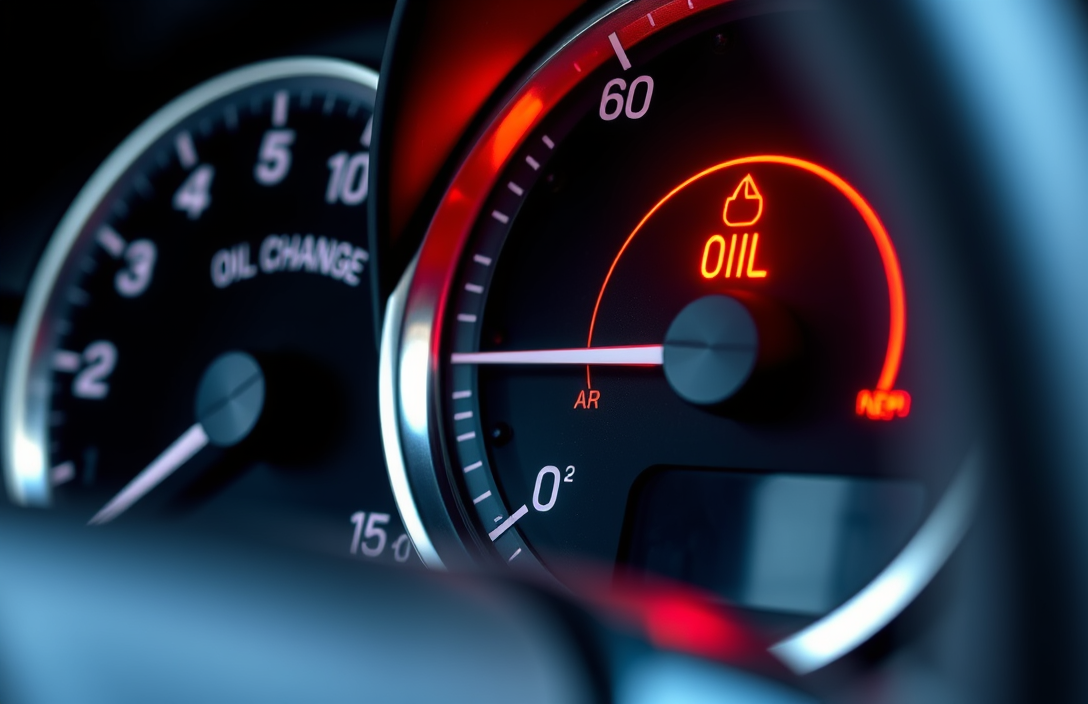
The oil change light on your dashboard is a straightforward signal. It is there to remind you that your vehicle is due for an oil change. When this light comes on, it is best not to ignore it. Acting promptly can prevent engine wear and tear.
Solution: Schedule an oil change as soon as possible. Regular maintenance keeps your engine running smoothly and prevents long-term issues.
Check Engine Light Implications
While the check engine light can indicate a variety of issues, one possible reason is low oil levels or dirty oil. This light should not be ignored, as continuing to drive with it can lead to more serious engine problems.
Solution: Use an oil dipstick to check the oil levels and condition. If the oil is low or dirty, get an oil change. If the light remains on after the oil change, consult a technician to diagnose other potential issues.
Oil Color and Consistency
Checking oil condition
Inspecting your car’s oil can be a straightforward task. To begin, ensure the vehicle is parked on a level surface and the engine is cool. Pull out the dipstick, wipe it clean, insert it back, and then pull it out again to check the oil level and condition. Look at the oil adhering to the dipstick.
What different colors indicate
The color and consistency of the oil can reveal much about your car’s health:
- Amber or light brown: This indicates fresh oil, and everything is likely in good condition.
- Dark brown or black: While it’s normal for oil to darken over time, if it’s very dark and thick, it might be due for a change.
- Milky or foamy: This could suggest coolant is leaking into the oil, which is a serious issue needing immediate attention.
- Gritty or sludgy: If you feel particles or sludge, it means the oil is contaminated and should be changed.
Tip: Regularly checking the oil’s color and texture can help catch potential problems early, saving you from costly repairs.
Unusual Engine Noises
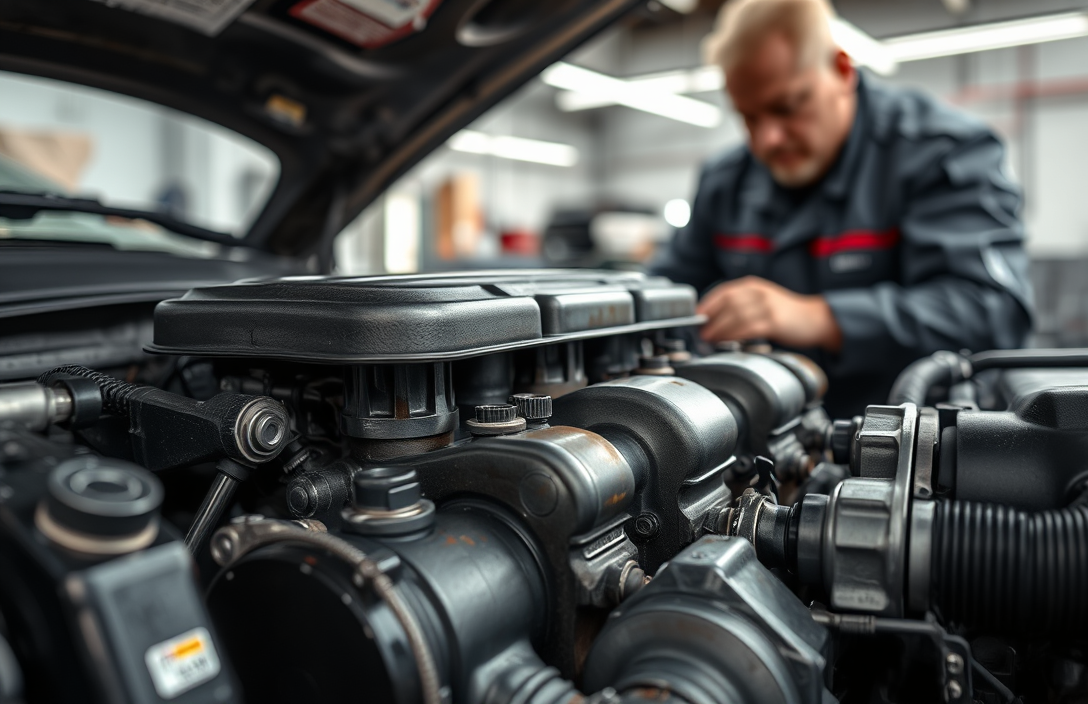
Knocking Sounds
When your engine starts making knocking noises, it’s often a sign that an oil change is overdue. This sound can occur when oil is low or dirty, causing insufficient lubrication. The metal parts in your engine may start to grind against each other, producing this alarming noise. To resolve this, check your oil level and quality. If it’s dark or below the recommended level, an oil change is necessary. Regular oil changes ensure proper lubrication and reduce the risk of damage.
Engine Performance Issues
An engine that struggles to perform can also indicate the need for an oil change. If you notice your vehicle is sluggish, or if you’re experiencing reduced fuel efficiency, old or low oil might be the culprit. Dirty oil can’t effectively reduce friction or dissipate heat, leading to a less responsive engine. By changing the oil, you can restore your engine’s efficiency and improve its overall performance.
Tip: Always refer to your car’s manual for the recommended oil change intervals. Regular maintenance can prevent these noises and performance issues from occurring in the first place.
Mileage and Driving Conditions
Determining when you need an oil change depends significantly on your vehicle’s mileage and your driving conditions. Let’s break it down.
High mileage vehicles
If your vehicle has clocked more than 75,000 miles, it might be time to switch to high-mileage oil. This type of oil is designed to address issues commonly found in older engines, such as oil leaks and reduced efficiency. For high-mileage vehicles, consider changing the oil every 3,000 to 5,000 miles to ensure everything runs smoothly.
Impact of driving habits
Driving conditions and habits significantly influence how often you should change your oil. Here are some scenarios to consider:
- City driving: Frequent short trips and stop-and-go traffic can accelerate oil breakdown. In this case, aim for oil changes every 3,000 miles.
- Highway driving: If you mostly drive on highways, your engine runs at a consistent speed, which is gentler on the oil. You might extend your oil change interval up to 7,500 miles.
- Severe conditions: Towing heavy loads, driving in extreme temperatures, or on dirt roads can rapidly degrade your oil. Consider changing your oil every 3,000 to 5,000 miles under these conditions.
Tip: Always check your vehicle’s owner manual for specific recommendations on oil type and change intervals.
Oil Level on Dipstick
How to check oil level
Checking your car’s oil level is a simple task you can do at home. Here’s how:
- Ensure your car is parked on a level surface and has been off for at least 10 minutes to allow the oil to settle.
- Open the hood and locate the dipstick, usually with a brightly colored handle.
- Pull the dipstick out and wipe it clean with a cloth or paper towel.
- Reinsert the dipstick fully, then pull it out again to check the oil level.
What low levels mean
If the oil level is below the recommended mark on the dipstick, it might be time for an oil change or at least a top-up. Here’s why it matters:
- Lubrication: Low oil can lead to increased friction in the engine, causing wear and tear.
- Cooling: Oil helps in dissipating heat from engine parts. Insufficient oil can lead to overheating.
- Contamination: Oil collects dirt and particles. Running on low oil means contaminants aren’t being filtered effectively.
Tip: If you frequently find your oil level low, consider getting your car checked for leaks or excessive oil consumption.
Exhaust Smoke Indicators
Blue Smoke
Seeing blue smoke coming from your exhaust can be a sign that your engine is burning oil. This often indicates an issue with the engine’s internal seals or gaskets, causing oil to leak into the combustion chamber. While a bit of blue smoke on a cold morning might not be alarming, persistent blue smoke under normal conditions signals that you should check your oil levels and consider an oil change. This could help prevent further engine damage and resolve the smoke issue.
White Smoke
White smoke typically means coolant is burning in the combustion chamber, but it can also indicate that your oil is old and needs changing. When oil breaks down, it loses its ability to lubricate effectively, causing the engine to overheat and produce white smoke. Checking your oil’s condition-looking for a milky appearance or unusual odors-can confirm if an oil change is needed.
Quick Tips:
- Check your oil level: Low oil can lead to overheating and smoke issues.
- Observe smoke color: Blue or white smoke can both signal oil-related problems.
- Regular maintenance: Regular oil changes can prevent these issues from arising.
Quick Summary
- Watch for dashboard warning lights, as they often indicate the need for an oil change or other maintenance issues.
- Regularly check your oil level and color. Dark, dirty oil or low levels can signal that it’s time for a change.
- Listen for unusual engine noises, such as knocking or ticking, which can result from old or insufficient oil.
- Pay attention to your vehicle’s mileage; many cars require an oil change every 3,000 to 7,500 miles, depending on the manufacturer and type of oil used.
- Be aware of the smell of burning oil or exhaust fumes inside the cabin, as this can indicate an oil leak or engine problem.
- If your car’s performance is sluggish, it might be due to old oil affecting engine efficiency.
- Consult your vehicle’s owner’s manual for specific recommendations on oil change frequency and type of oil to use.
Frequently Asked Questions
How can I tell if my car needs an oil change?
Look for signs like dirty or dark oil, the engine making unusual noises, or the oil change light turning on. Checking your owner’s manual for the recommended oil change intervals is also a smart move.
What happens if I delay an oil change?
Delaying an oil change can lead to engine wear, decreased fuel efficiency, and potential engine damage. Keeping up with regular oil changes ensures your engine runs smoothly and lasts longer.
Can I check the oil condition myself?
Yes, you can check the oil condition by pulling out the dipstick and observing the oil’s color and texture. If it’s dark or gritty, it’s time for a change.
How often should I change the oil if I don’t drive much?
Even if you don’t drive much, changing the oil every six months is generally recommended. Oil can degrade over time, regardless of mileage, affecting engine performance.
Is synthetic oil better than conventional oil?
Synthetic oil offers better protection and performance, especially in extreme temperatures. However, conventional oil is usually more affordable, and both can be effective if changed regularly.

- Find the Right Engine Oil for Your Car: A Quick Guide - March 1, 2026
- Car Battery Booster Basics: Start Your Vehicle in Minutes - March 1, 2026
- How Long Does It Take To Charge A Motorcycle Battery Charging Time Guide - February 28, 2026