How To Measure Bolt Pattern On Wheels A Diy Guide For Enthusiasts
Ever tried swapping wheels on your car only to find they don’t fit? Understanding bolt patterns is essential for choosing the right wheels. If you’re a DIY enthusiast, mastering this simple skill can save you time and money.
Measure bolt pattern: Count the lug holes, measure the diameter across them. For 4-lug wheels, measure across opposite holes. For 5-lug, measure from the center of one lug to the outer edge of an opposite lug.
Understanding Bolt Patterns

Definition of Bolt Patterns
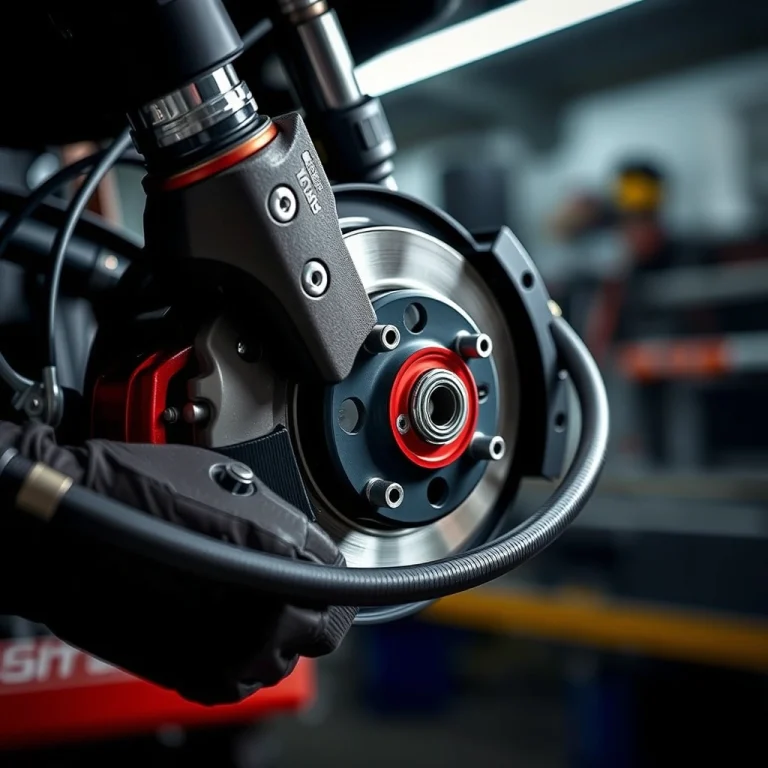
Bolt patterns refer to the arrangement of bolt holes on a wheel. This configuration is expressed as a set of numbers, such as 5×114.3. The first number indicates the count of bolt holes, while the second is the diameter of the circle formed by these holes, measured in millimeters.
Importance of Bolt Patterns
Understanding bolt patterns is essential for wheel compatibility. A mismatched bolt pattern can lead to improper wheel installation, causing safety issues. Ensuring the correct bolt pattern helps avoid these problems, ensuring the wheels fit securely on the vehicle.
Tools Required for Measuring
Essential Tools List
To accurately measure a wheel’s bolt pattern, having the right tools is essential. Here’s a list of what you’ll need:
- Ruler or Measuring Tape: A standard ruler or tape measure is sufficient for measuring bolt patterns. Ensure it’s long enough to span across the wheel’s center.
- Caliper: For those who want precise measurements, a caliper is highly useful. It helps in measuring the diameter of the bolt holes with accuracy.
- Marker: Use a marker to note the positions on the wheel where measurements are taken. This helps in avoiding mistakes during the process.
Optional Tools for Accuracy
While the basic tools are often enough, some optional tools can enhance accuracy:
- Bolt Pattern Gauge: This tool directly measures the bolt pattern in millimeters or inches, simplifying the process and reducing errors.
- Protractor: A protractor can help determine the angle between the bolt holes, ensuring the pattern is identified correctly.
- Digital Measuring Device: Digital tools can provide more precise readings and often come with memory features to store measurements.
Tip: Always double-check your measurements to ensure accuracy, especially when using manual tools.
Identifying the Number of Bolt Holes

To determine how many bolt holes your wheel has, simply count the number of holes on the wheel’s hub surface. This step is essential before moving on to measure the bolt pattern accurately.
Common Bolt Hole Configurations
Wheels typically have a certain number of bolt holes, and some configurations are more common than others. Here are a few:
- 4 bolt holes: Often found on smaller cars and older models.
- 5 bolt holes: The most common configuration, frequently seen on a variety of vehicles including sedans, SUVs, and light trucks.
- 6 bolt holes: Commonly used on trucks and larger SUVs.
- 8 bolt holes: Typically seen on heavy-duty trucks and some commercial vehicles.
Knowing the number of bolt holes will help you match your wheels with the appropriate hub and ensure proper fitment and safety. Once you’ve counted the holes, you’re ready to proceed with measuring the bolt circle diameter.
Tip: If your wheel is still mounted on the vehicle, it might be easier to count the bolt holes by removing the wheel.
Measuring Bolt Circle Diameter (BCD)
Using a Measuring Tape
To measure the bolt circle diameter (BCD) of a wheel using a measuring tape, follow these steps:
- Count the Lug Nuts: First, determine the number of lug nuts or bolts on your wheel. This is important as the measurement method differs for even and odd numbers of lugs.
- Even Number of Lugs: Measure the distance from the center of one lug hole to the center of the opposite lug hole. This distance is the BCD for even lug patterns.
- Odd Number of Lugs: Measure from the center of one lug hole to the outer edge of the hole directly across from it. Multiply this measurement by 1.05 to calculate the BCD.
Using a Bolt Pattern Gauge
A bolt pattern gauge is a handy tool designed specifically for measuring bolt circle diameters. Here’s how to use it:
- Select the Correct Gauge: Choose a gauge that matches the number of lugs on your wheel.
- Align the Pins: Place the gauge pins into the lug holes. Ensure all pins are securely in place.
- Read the Measurement: The gauge will display the BCD directly, making it a quick and accurate method.
Tip: If you’re unsure about your measurements, consult your vehicle’s manual or a professional to verify the BCD.
Reading and Recording Measurements

Recording Techniques
Accurate recording of wheel bolt patterns is crucial for a smooth installation process. Start by writing down the number of lug holes, as this is the first key measurement. Next, measure the diameter of the circle that passes through the center of each lug hole. For instance, a 5-lug wheel pattern diameter is measured from the center of one lug to the furthest edge of the opposite lug.
Once measured, record these dimensions in a clear and organized manner. Use a simple format like “5×114.3” where ‘5’ represents the number of bolt holes and ‘114.3’ is the diameter in millimeters. This format is widely accepted and understood in the automotive industry.
Avoiding Common Mistakes
To avoid errors, double-check measurements. Even a small mistake can lead to incompatible wheels. Use a reliable caliper or measuring tape, and ensure it is properly calibrated. If you’re unsure, measure again or consult a professional.
A common mistake is miscounting the number of lugs or misreading the diameter. Ensure you are in a well-lit area and have a steady hand when measuring. Writing down each step as you go can help prevent these errors. Lastly, always verify your recorded measurements against the wheel’s specifications before proceeding with any purchase or installation.
Tip: Keep a dedicated notebook or digital file for all your vehicle measurements to maintain consistency and easy access for future reference.
Converting Measurements for Different Units
When measuring a wheel’s bolt pattern, understanding how to convert between metric and imperial measurements is essential. This section will guide you through the conversion process.
Inches to Millimeters Conversion
To convert a bolt pattern measurement from inches to millimeters, multiply the inch measurement by 25.4. For example, if your bolt pattern is 4.5 inches, the conversion to millimeters is:
- 4.5 inches x 25.4 = 114.3 mm
This conversion is particularly useful if your vehicle’s specifications are provided in millimeters but you have measured in inches.
Using Online Calculators
For quick and accurate conversions, online calculators can be a helpful tool. Simply input the measurement in inches or millimeters, and the calculator will do the rest. This method reduces the risk of errors in manual calculations and saves time.
Tip: Always double-check your measurements before converting to ensure accuracy.
Converting measurements is a straightforward process that ensures compatibility between different wheel and vehicle specifications. By using these methods, you can confidently work with both metric and imperial units.
Verifying Compatibility with Vehicle
Checking Manufacturer Specifications
After measuring your wheel’s bolt pattern, ensure compatibility with your vehicle by consulting the manufacturer’s specifications. Look for:
- Owner’s Manual: This often contains the bolt pattern details required for your vehicle.
- Vehicle Information Placard: Usually located on the driver’s side door jamb, this placard may include bolt pattern information.
- Online Resources: Manufacturer websites or reputable automotive forums can provide detailed specifications for your vehicle’s model and year.
Using Compatibility Charts
Compatibility charts can be a quick reference for matching your measured bolt pattern to your vehicle.
- Online Charts: Many automotive parts websites offer charts that allow you to input your vehicle make, model, and year to verify bolt pattern compatibility.
- Local Auto Parts Store: Staff at these stores can often assist in finding the right bolt pattern for your vehicle using in-store resources.
Tip: Always double-check the bolt pattern compatibility before purchasing new wheels to ensure a proper and safe fit.
Troubleshooting Measurement Issues
Measuring the bolt pattern on wheels can sometimes be challenging due to common issues like misalignment, incorrect tool usage, or measurement errors. Here’s how you can troubleshoot and fix these problems.
Re-measuring Tips
If your initial measurement seems off, it’s a good idea to double-check using these steps:
- Ensure the wheel is off the vehicle: This allows for a clearer view and more precise measuring.
- Use the right tool: A vernier caliper or a bolt pattern gauge can offer more accuracy than a regular ruler or tape measure.
- Check your reference points: Make sure you are measuring from the center of one lug to the center of the opposite lug for even-numbered patterns, or from the center of one lug to the far edge of the opposite lug for odd-numbered patterns.
Consulting with Professionals
If you’re still having trouble, reaching out to a professional can save you time and hassle:
- Visit a local auto shop: Technicians there can quickly verify your measurements with precision tools.
- Contact wheel manufacturers: They can provide specific advice or even direct you to resources specific to the wheel model you are dealing with.
- Use online resources: Many automotive forums and websites offer detailed guides and community support for DIY enthusiasts.
By following these steps, you can resolve measurement issues and ensure that your bolt pattern measurements are accurate.
Quick Summary
- Determine the bolt pattern by counting the number of bolt holes on the wheel. Most wheels have four, five, six, or eight holes.
- Measure the bolt circle diameter by measuring from the center of one bolt hole to the center of the hole directly across from it. For an odd number of bolts, measure from the center of any bolt to the far edge of the hole across from it.
- Ensure accuracy by using a reliable measuring tool, such as a caliper or a measuring tape, to get the bolt circle diameter.
- Identify common bolt patterns by referring to standard sizes like 4×100, 5×114.3, or 6×139.7, which indicate the number of bolts and the diameter in millimeters.
- Verify the measurement by comparing with the specifications in your vehicle’s manual or the wheel manufacturer’s guidelines, as some wheels have unique patterns.
- Consider using a bolt pattern gauge for quick and easy measurement, especially if you frequently work with different vehicles or wheel types.
Frequently Asked Questions
What tools do I need to measure a wheel’s bolt pattern?
You will need a tape measure or a ruler and potentially a caliper for more precise measurements. A straight edge can also be helpful for ensuring accuracy.
How do I measure a 5-lug bolt pattern?
For a 5-lug pattern, measure from the center of one lug hole to the farthest edge of the lug hole directly across. This will give you an accurate measurement of the bolt pattern diameter.
Can I measure the bolt pattern without removing the wheel?
Yes, you can measure the bolt pattern without removing the wheel. However, it may be easier to get precise measurements if the wheel is removed, especially for lug patterns with more than five lugs.
What is the difference between a bolt pattern and a lug pattern?
The terms bolt pattern and lug pattern are often used interchangeably. Both refer to the arrangement of bolt holes or lugs on a wheel or hub.
Why is it important to know the bolt pattern of a wheel?
Knowing the bolt pattern is essential for ensuring compatibility between the wheel and the vehicle. Using an incorrect bolt pattern can lead to improper fitting and potential safety issues.

- Find the Right Engine Oil for Your Car: A Quick Guide - March 1, 2026
- Car Battery Booster Basics: Start Your Vehicle in Minutes - March 1, 2026
- How Long Does It Take To Charge A Motorcycle Battery Charging Time Guide - February 28, 2026