How To Use Trailer Brakes Master Trailer Brakes For Safe Towing
Towing a trailer can be a daunting task, especially if you’re not familiar with the intricacies of trailer brakes. Ensuring the safety of yourself and others on the road depends largely on mastering this essential component of towing.
Trailer brakes assist in controlling the extra weight, enhancing safety, and preventing wear on your vehicle’s brakes. Understanding how to use them effectively is key to a confident towing experience.
Understanding Trailer Brake Systems
Types of Trailer Brakes
Understanding the different types of trailer brakes is essential for safe towing. There are two main types: electric brakes and surge brakes.
- Electric Brakes: These use an electric current to activate the trailer’s brake system. They require a brake controller in the towing vehicle, allowing the driver to adjust braking force based on the load and driving conditions.
- Surge Brakes: These are hydraulic and activate automatically. When the towing vehicle slows, the trailer pushes forward, compressing a hydraulic cylinder to apply the brakes.
How Trailer Brakes Work
Trailer brakes are designed to assist in controlling and stopping a trailer safely. Here’s a simple breakdown of their operation:
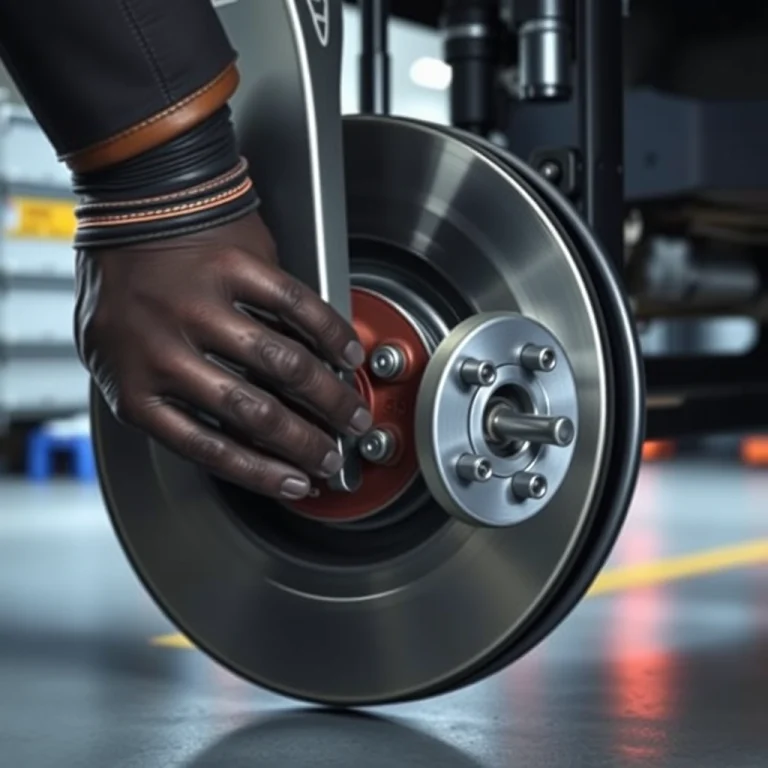
- Electric Brakes: When the towing vehicle’s brakes are applied, the brake controller sends a current to electromagnets inside the trailer’s drums. This current causes the magnets to engage the drum, slowing the wheels.
- Surge Brakes: These work through momentum and hydraulic pressure. As the towing vehicle decelerates, the trailer moves forward, compressing the hydraulic system to apply the brakes.
Tip: Regularly check and adjust trailer brakes to ensure optimal performance, especially before long trips. Consistent maintenance is key to safety.
Choosing the Right Trailer Brake Controller
Choosing the right trailer brake controller is essential for safe and confident towing. Here’s how to make the best choice for your setup.
Proportional Controllers
Proportional controllers, also known as inertia-based controllers, offer smooth and precise braking. They apply the trailer brakes in direct proportion to how much you apply the vehicle brakes. This results in more balanced stopping power and is especially beneficial for varying road conditions and loads.
- Benefits: Provides smoother stops, reduces wear on the braking system.
- Ideal for: Frequent towing, especially with heavier loads.
Time-Delayed Controllers
Time-delayed controllers, or solid-state controllers, activate the trailer brakes with a preset amount of power and delay. You can manually adjust the delay and intensity, which is useful for lighter towing needs.
- Benefits: Simpler installation, usually more budget-friendly.
- Ideal for: Occasional towing or lighter loads.
Installation Tips
Installing a trailer brake controller can be a straightforward process if you follow these steps:
- Consult the manual: Always refer to your vehicle and controller manuals for specific guidance.
- Mount securely: Install the controller within easy reach of the driver to allow for quick adjustments.
- Test the setup: Before hitting the road, test the brakes in a safe area to ensure proper function.
Tip: Consider consulting a professional if you’re unsure about the installation process to avoid any safety risks.
Preparing for Safe Towing
Pre-Tow Inspections
Before hitching up your trailer, ensure both your vehicle and trailer are in good condition. Begin with a thorough inspection of the trailer brakes. Check for any visible wear or damage to the brake pads and brake lines. Ensure that the trailer’s brake lights and turn signals are operational, as these are critical for safe towing.
Next, confirm that your towing vehicle is equipped with a working brake controller. This device is essential for managing the trailer’s braking system from the driver’s seat. If you’re uncertain whether your vehicle is equipped with one, consult your vehicle’s manual or a professional.
Adjusting Brake Settings
With the vehicle and trailer connected, adjust the brake controller settings according to the trailer’s load weight. This process ensures that the trailer brakes engage appropriately without locking up or causing the trailer to sway.
- Start with a Lower Setting: Set the brake controller to a lower initial setting. This allows you to gradually increase the braking power until you achieve a smooth and balanced stop.
- Conduct a Test Drive: On a quiet road, perform a stop test at a low speed. Adjust the brake controller settings incrementally until the trailer stops smoothly in sync with your towing vehicle.
- Fine-Tune as Needed: After each adjustment, conduct another test stop to gauge performance. The goal is to have the trailer brakes engage slightly before the vehicle’s brakes to maintain control.
Remember, proper adjustment of trailer brakes is key to safe towing. By ensuring your brakes are set correctly, you can tow with confidence and minimize risks on the road.
Operating Trailer Brakes on the Road
When driving with a trailer, knowing how to operate the trailer brakes effectively on the road is essential for safety and confidence. Here’s how to manage them efficiently:
Using Manual Override
The manual override on your brake controller is a valuable tool for gaining extra control. It allows you to apply the trailer brakes independently of the vehicle brakes. This can be particularly useful in situations like downhill driving or when you need to stop quickly.
- Test the manual override: Before hitting the road, test the manual override to ensure it’s functioning correctly.
- Use sparingly: Only engage the manual override when necessary to avoid undue wear on the brakes.
Handling Different Road Conditions
Different road conditions require different braking strategies. Here’s how to adapt:
- Wet or icy roads: Increase following distance and apply brakes gently to prevent skidding.
- Hills: Use a lower gear and apply brakes intermittently rather than continuously to prevent overheating.
- Gravel or dirt roads: Slow down and brake early, as stopping distances can be longer.
Tip: Always ensure your brake controller is properly calibrated to match the weight of your trailer for optimal braking performance.
By understanding and using these techniques, you can maintain control and ensure a safer towing experience. Always be attentive to road conditions and adjust your braking strategy as needed for the best results.
Troubleshooting Common Trailer Brake Issues
Brake Controller Problems
If your trailer brakes aren’t responding as expected, the brake controller might be the issue. Here are some solutions:
- Check the Wiring: Inspect the wiring connections between the brake controller and the trailer. Look for any loose, corroded, or damaged wires and fix them promptly.
- Adjust the Gain: Ensure the brake controller’s gain setting is correctly adjusted for your trailer’s weight. Refer to the controller’s manual for proper calibration instructions.
- Test the Controller: Use a multimeter to check the output voltage of the brake controller. If it doesn’t match the expected range, consider replacing the controller.
Mechanical Brake Issues
Mechanical problems with trailer brakes can also cause performance deficiencies. Try these solutions:
- Inspect Brake Pads: Worn or damaged brake pads should be replaced. Ensure the pads make proper contact with the brake drum.
- Lubricate Moving Parts: Regularly lubricate the moving components of the brake assembly to prevent sticking and ensure smooth operation.
- Check Brake Drums: Warped or damaged brake drums can lead to uneven braking. Replace any drums that show signs of wear or damage.
Tip: Regular maintenance not only ensures safety but also prolongs the life of your trailer brake system.
By addressing these common issues, you can maintain the reliability and safety of your trailer brake system, giving you confidence on every journey.
Maintaining Your Trailer Brakes
Regular Maintenance Checks
Consistent upkeep of your trailer brakes ensures safe and reliable towing. Start with a visual inspection before every trip. Check for wear on brake pads and shoes. Look for cracks or glazing that may hinder performance. Test the brake lights to ensure they’re functioning properly.
Listen for unusual sounds when you apply the brakes. Squeaking or grinding may indicate the need for new components. Regularly check and adjust the brake controller in your towing vehicle to maintain optimal braking force.
Replacing Brake Components
Brake components eventually need replacement due to wear and tear. Begin by consulting your trailer’s manual for specific instructions on removing and replacing parts. Generally, you’ll need to replace brake pads or shoes when they are worn down to 1/8 inch or less. Check the rotors and drums for grooves or rust, and replace them if necessary.
Use high-quality replacement parts to ensure longevity and performance. After replacing any components, always test the brakes in a safe, controlled environment before hitting the road. This ensures everything is functioning correctly and gives you confidence in your braking system.
Safety Tips for Towing with Trailer Brakes
Load Distribution
Ensuring proper load distribution is key for safe towing. A well-balanced trailer reduces the strain on trailer brakes and enhances overall handling. Aim for 60% of the weight to be placed towards the front of the trailer, near the tongue. This helps maintain stability and prevents swaying.
Checklist for Load Distribution:
- Distribute cargo evenly from side to side.
- Secure the load to prevent shifting.
- Keep the heaviest items at the bottom.
Safe Stopping Practices
Proper use of trailer brakes is essential for safe stopping. Adjust the brake controller to match the weight of your load. This prevents the trailer from pushing the tow vehicle or causing jackknifing.
Tip: Perform a brake test in a safe area to ensure settings are correct. You should feel the trailer slowing the vehicle without skidding.
Allow extra distance when stopping. A loaded trailer takes longer to stop than an unladen one. Gradually apply pressure to the brakes, avoiding sudden stops that can lead to accidents.
Safe Stopping Checklist:
- Adjust brake controller based on load weight.
- Perform regular brake tests for proper settings.
- Maintain a safe following distance.
- Avoid sudden or hard braking.
Legal Requirements and Regulations
Regional Brake Laws
Trailer braking laws can vary significantly depending on your location, so it’s essential to understand the regulations that apply to you. For example, many U.S. states require trailers above a certain weight-often around 3,000 pounds-to have their own braking systems. In Canada, similar rules exist, but the specific weight threshold can differ by province. Always check the transportation department’s website or consult local authorities to confirm the latest requirements where you live or travel.
Compliance Checks
Ensuring compliance with trailer brake regulations involves regular checks and maintenance. Here are some steps to help:
- Inspect Brakes Regularly: Before each trip, check that the trailer brakes are functioning properly. Look for wear and tear, and listen for abnormal sounds.
- Test Brake Controllers: Make sure the brake controller in your towing vehicle is calibrated correctly for the trailer’s weight. Adjust settings as needed for different loads.
- Keep Documentation: Some regions require proof of compliance. Keep maintenance records and receipts for any brake work done.
Tip: To avoid fines or accidents, always verify that your trailer’s braking system meets legal requirements before hitting the road.
Quick Summary
- Understanding trailer brakes is essential for safe towing. Ensure your vehicle’s brake controller is compatible with your trailer’s braking system.
- Test the trailer brakes before each journey. While parked, apply the manual override on your brake controller to confirm the brakes engage smoothly.
- Adjust the brake controller settings according to the trailer’s weight and road conditions. Start with the manufacturer’s recommended settings and make minor adjustments as needed.
- Always maintain a safe following distance when towing. Trailer brakes help stop the trailer, but increased weight requires more stopping space.
- Regularly inspect and maintain the trailer brakes. Check for wear and tear, and ensure all connections are secure to prevent brake failure during trips.
- Familiarize yourself with emergency procedures in case of brake failure. Knowing how to safely stop the vehicle and trailer can prevent accidents.
- Practice in a safe location to gain confidence with your brake controller. Understanding how it feels when the trailer brakes engage will help during real-world driving scenarios.
Frequently Asked Questions
How do I know if my trailer brakes are working correctly?
Before each trip, test the brakes by manually activating them with the brake controller. This ensures they engage smoothly and provide the necessary stopping power.
What is the proper way to adjust trailer brake gain?
Adjust the brake gain so that the trailer stops at the same rate as the towing vehicle without locking up. Start with a lower setting and gradually increase until you achieve smooth braking.
Why is it important to regularly maintain trailer brakes?
Regular maintenance prevents brake failure and ensures safety on the road. Inspecting and replacing worn out parts helps maintain optimal brake performance.
Can I use trailer brakes in wet or icy conditions?
Yes, but be cautious. Reduce the brake gain to prevent the trailer from skidding and maintain a safe following distance to allow for gentle braking.
What should I do if my trailer brakes fail while towing?
Remain calm and use the tow vehicle’s brakes to slow down gradually. Pull over safely, inspect the brake system, and address any issues before continuing your journey.

- Find the Right Engine Oil for Your Car: A Quick Guide - March 1, 2026
- Car Battery Booster Basics: Start Your Vehicle in Minutes - March 1, 2026
- How Long Does It Take To Charge A Motorcycle Battery Charging Time Guide - February 28, 2026