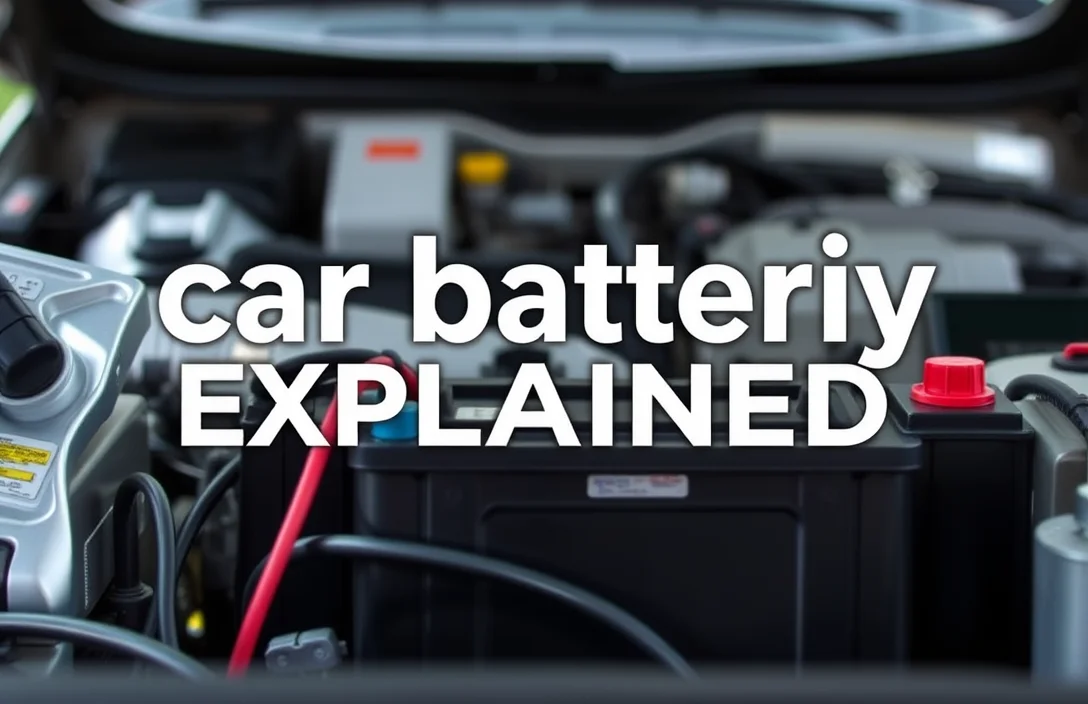
Understanding car batteries is essential for any vehicle owner. These power sources are crucial for starting engines and powering electrical systems. By grasping their function and maintenance, you can ensure your car runs smoothly and avoid unexpected failures on the road.
Car batteries store and supply electrical energy to start your vehicle. They require regular maintenance to prolong their lifespan. Key aspects include understanding battery types, charging methods, and signs of wear that indicate a need for replacement.
undefined
This section provides an overview of car batteries, their importance, and how they function. Understanding the basics of car batteries is crucial for anyone looking to maintain their vehicle or diagnose issues related to electrical systems. Car batteries are essential for starting engines, powering electrical components, and providing energy when the alternator is not functioning.
Car batteries primarily use lead-acid chemistry, consisting of lead dioxide and sponge lead, immersed in sulfuric acid. This combination enables the battery to store and release electrical energy. The two main types of car batteries are flooded lead-acid batteries and sealed lead-acid batteries, including Absorbent Glass Mat (AGM) and gel batteries. Flooded batteries are typically less expensive and more commonly used, while sealed batteries offer better performance in extreme conditions and require less maintenance.
Battery capacity is measured in amp-hours (Ah), indicating how much current a battery can provide over a specific period. The cold cranking amps (CCA) rating indicates the battery’s ability to start an engine in cold temperatures. A higher CCA rating is beneficial for vehicles in colder climates. Proper maintenance, including regular checks and cleaning of terminals, can prolong battery life and ensure reliable performance.
undefined
This section focuses on understanding the types of car batteries available and their respective characteristics. Different types of batteries are designed to meet varying performance needs, and knowing these can help in choosing the right one for your vehicle.
Car batteries primarily fall into two categories: lead-acid batteries and lithium-ion batteries. Lead-acid batteries are the most common type, used in most vehicles. They consist of lead plates and sulfuric acid, providing reliable performance and affordability. However, they are heavier and have a shorter lifespan compared to lithium-ion batteries.
Lithium-ion batteries, on the other hand, are increasingly used in electric vehicles and hybrids. They are lighter, more efficient, and offer a longer lifespan. These batteries charge faster and provide better performance in extreme weather conditions. However, they come with a higher price tag.
Each battery type has its advantages and disadvantages. Lead-acid batteries are ideal for conventional vehicles due to their cost-effectiveness, while lithium-ion batteries are preferred for advanced tech vehicles due to their efficiency and longevity. Understanding these differences helps in making an informed choice based on your vehicle’s needs.
undefined
Understanding the types of car batteries is crucial for selecting the right one for your vehicle. Each type has specific characteristics that affect its performance and suitability for different driving conditions. This section outlines the main types of car batteries and their unique features.
The most common types of car batteries include:
- Lead-Acid Batteries: These are the traditional batteries found in most vehicles. They are reliable, cost-effective, and provide a high burst of energy required for starting the engine. Lead-acid batteries can be further classified into two types: flooded and sealed (AGM and gel).
- Lithium-Ion Batteries: Increasingly popular in electric vehicles, lithium-ion batteries are lightweight, have a high energy density, and can be charged quickly. They offer longer life cycles compared to lead-acid batteries but are also more expensive.
- Nickel-Metal Hydride (NiMH) Batteries: Commonly used in hybrid vehicles, NiMH batteries provide a good balance between performance and cost. They are less efficient than lithium-ion but more efficient than lead-acid batteries.
Choosing the right battery type depends on your vehicle’s requirements and your driving habits. Understanding these options helps ensure you select a battery that meets your needs for performance and longevity.
undefined
Understanding the different types of car batteries is essential for making informed choices regarding battery replacement and maintenance. Each type has unique characteristics, advantages, and disadvantages that affect performance and longevity.
The most common types of car batteries include:
- Lead-Acid Batteries: These are the traditional batteries used in most vehicles. They are reliable and cost-effective but heavier and less efficient in extreme temperatures.
- Absorbent Glass Mat (AGM) Batteries: AGM batteries are more advanced and provide better performance, especially for vehicles with high electrical demands. They are sealed and maintenance-free but come at a higher price point.
- Gel Cell Batteries: These batteries use a silica gel to immobilize the electrolyte, making them spill-proof. They are better for deep cycling but can be sensitive to charging voltages.
- Lithium-Ion Batteries: Increasingly popular in electric vehicles, lithium-ion batteries are lightweight and have a high energy density. They are more expensive and require specific charging systems.
Selecting the right battery depends on your vehicle type, driving habits, and climate. Understanding the pros and cons of each type can help you make an informed decision for optimal vehicle performance.
undefined
Understanding the various types of car batteries is essential for vehicle maintenance and performance. Each type of battery is designed with specific applications and characteristics that make them suitable for different vehicles and driving conditions. This section provides an overview of the most common types of car batteries.
The three primary types of car batteries are lead-acid, absorbed glass mat (AGM), and lithium-ion batteries.
- Lead-Acid Batteries: These are the most common and affordable type. They consist of lead plates and sulfuric acid. They are reliable for starting vehicles but may require more maintenance and have a shorter lifespan compared to other types.
- Absorbed Glass Mat (AGM) Batteries: AGM batteries are sealed and maintenance-free, making them ideal for modern vehicles with advanced electrical systems. They are more expensive but offer better performance, longer life, and faster recharging capabilities.
- Lithium-Ion Batteries: Increasingly used in electric vehicles, lithium-ion batteries are lightweight and have a high energy density. They have a long lifespan and require minimal maintenance, though they come with a higher initial cost.
Choosing the right battery type depends on your vehicle’s requirements, driving habits, and budget. Understanding these options can help ensure you select the most suitable battery for your needs.
undefined
Understanding the lifespan and maintenance of car batteries is crucial for ensuring their longevity and optimal performance. This section covers factors influencing battery life, signs of battery deterioration, and essential maintenance tips to keep your battery in top condition.
Car batteries typically last between three to five years, depending on usage and environmental conditions. Extreme temperatures, frequent short trips, and excessive electrical accessory usage can shorten a battery’s lifespan. Regular checks can help identify issues before they lead to failure.
Signs of a weakening battery include slow engine cranking, dimming headlights, and warning lights on the dashboard. If a battery shows signs of swelling or corrosion around terminals, it may need replacing. Regular maintenance, such as cleaning terminals, ensuring tight connections, and checking electrolyte levels in non-maintenance-free batteries, can prolong battery life.
Additionally, consider investing in a battery tester to monitor health regularly. Many automotive shops offer free battery checks, which can be a proactive way to avoid unexpected failures. Following these guidelines will help ensure your car battery operates efficiently and lasts as long as possible.
undefined
Understanding the maintenance and care of car batteries is essential for ensuring their longevity and optimal performance. This section focuses on practical steps you can take to extend the life of your car battery and prevent common issues that may arise.
Regular maintenance begins with checking the battery terminals for corrosion. Clean any buildup with a mixture of baking soda and water, ensuring the connections are tight and secure. Additionally, inspect the battery case for any cracks or leaks, as these can indicate a failing battery.
Monitoring the battery charge is crucial. Use a multimeter to check the voltage; a healthy battery should read around 12.6 volts or more when fully charged. If voltage drops below 12.4 volts, consider recharging or testing the battery’s capacity.
Temperature can also affect battery performance. Extreme heat can accelerate battery fluid evaporation, while cold temperatures can decrease battery efficiency. Parking in a garage or using a battery blanket in colder months can help mitigate these effects.
Lastly, consider routine professional checks, especially before long trips. Many auto shops offer battery testing services that can identify potential issues early, allowing for timely replacements or repairs.
undefined
This section focuses on understanding the differences between various types of car batteries and their specific applications. Knowledge of these differences helps in selecting the right battery for your vehicle, ensuring optimal performance and longevity.
Car batteries mainly fall into two categories: lead-acid and lithium-ion. Lead-acid batteries are the most common type used in conventional vehicles. They are reliable and cost-effective but have limitations in terms of weight and energy density. Within lead-acid batteries, there are two main types: traditional flooded batteries and sealed maintenance-free batteries. Flooded batteries require regular maintenance, while sealed batteries are more convenient as they do not need water refilling.
Lithium-ion batteries are becoming increasingly popular, especially in hybrid and electric vehicles. They offer higher energy density, lighter weight, and longer cycle life compared to lead-acid batteries. However, they are more expensive and require specific charging systems. Understanding these differences, along with the specific needs of your vehicle, can guide you in selecting the appropriate battery type.
undefined
This final section summarizes key points about car batteries, emphasizing practical knowledge for maintenance and selection. Understanding these aspects will facilitate informed decisions regarding car battery care and replacement.
Choosing the right car battery involves considering factors such as compatibility, capacity, and warranty. Always consult your vehicle’s manual to find specifications that match your needs. Car batteries come in different types, including lead-acid, AGM (Absorbent Glass Mat), and lithium-ion. Each type has unique advantages, such as weight, discharge rates, and longevity.
Regular maintenance can extend battery life. Keep terminals clean and free from corrosion, and ensure connections are tight. Check the battery charge periodically, especially before long trips or during extreme weather conditions. If a battery shows signs of aging—such as slow engine cranking or dim headlights—it may be time for replacement.
Recycling old car batteries is crucial for environmental protection. Most auto parts stores offer battery recycling programs. Proper disposal prevents harmful chemicals from entering the ecosystem, supporting sustainable practices in the automotive industry.
By understanding these essentials, you can ensure your car battery operates efficiently, ultimately enhancing your vehicle’s performance and reliability.
Quick Summary
- Car batteries store and supply electrical energy to start the engine and power electrical components.
- The most common type of car battery is the lead-acid battery, known for its reliability and affordability.
- Car batteries typically have a lifespan of 3 to 5 years, depending on usage and environmental conditions.
- Regular maintenance, such as checking fluid levels and cleaning terminals, can extend battery life.
- Temperature extremes can significantly affect battery performance; cold weather can reduce capacity while heat can accelerate wear.
- Signs of a failing battery include slow engine crank, dim lights, and electrical issues.
- Proper disposal and recycling of old batteries are crucial to prevent environmental harm.
Frequently Asked Questions
What is a car battery and how does it work?
A car battery is a rechargeable energy storage device that provides electrical power to start the engine and power the vehicle’s electrical systems. It works by converting chemical energy into electrical energy through a series of chemical reactions within its cells.
How long do car batteries typically last?
On average, car batteries last between 3 to 5 years, depending on factors such as climate, driving habits, and maintenance. Regular checks and timely replacements can help ensure optimal performance and prevent unexpected failures.
What are the signs that my car battery is failing?
Common signs of a failing car battery include slow engine cranking, dim headlights, and electrical issues in the vehicle. If you notice any of these symptoms, it’s advisable to have your battery tested or replaced promptly.
Can I jump-start a dead car battery?
Yes, you can jump-start a dead car battery using jumper cables and a working vehicle. However, it’s important to follow proper safety procedures, including connecting the cables in the correct order to avoid damage to the vehicles.
How can I extend the life of my car battery?
To extend your car battery’s life, ensure that it is securely mounted, keep the terminals clean and free of corrosion, and regularly check its charge level. Additionally, avoid short trips and turn off electrical accessories when the engine is not running.