
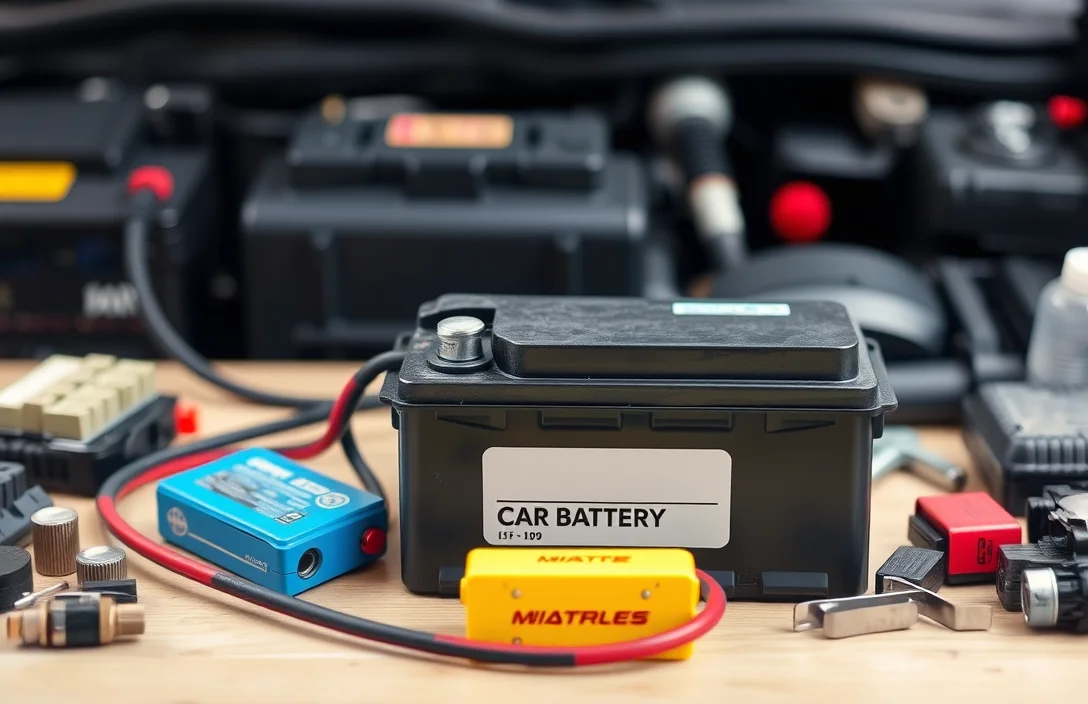
Understanding car batteries is essential for anyone interested in vehicles. These components power everything from starting the engine to running electrical systems. Knowing how they work can help you maintain your car and troubleshoot issues effectively.
A car battery stores electrical energy and provides power to start the engine. Key features include lead-acid technology, voltage ratings, and maintenance tips. A diagram can illustrate its parts, such as terminals, plates, and electrolyte, enhancing your understanding.
undefined
This section provides an overview of car batteries, focusing on their purpose, components, and functioning. Understanding how a car battery operates is crucial for anyone looking to maintain their vehicle effectively. A car battery stores electrical energy and supplies it to start the engine and power various electrical components.
Car batteries are typically lead-acid batteries, which consist of several key components:
- Electrolyte: A mixture of sulfuric acid and water that facilitates the chemical reactions needed for energy production.
- Lead Plates: Positive and negative plates made of lead dioxide and sponge lead, respectively, that react with the electrolyte during discharge and charge cycles.
- Separator: A material that prevents the positive and negative plates from touching, thus avoiding short circuits.
- Terminals: Metal connectors that allow for the connection of the battery to the vehicle’s electrical system.
When the ignition is turned on, the battery releases stored energy to start the engine. Once the engine is running, the alternator takes over, recharging the battery and powering the vehicle’s electrical systems. Understanding these basics sets the foundation for deeper exploration into car battery maintenance and troubleshooting.
undefined
This section focuses on the different types of car batteries available in the market. Understanding these types is essential for making informed decisions about which battery best suits your vehicle’s needs. Each type has unique characteristics, advantages, and applications. Below are the primary types of car batteries.
- Lead-Acid Batteries: The most common type, known for reliability and cost-effectiveness. They come in two main varieties: flooded lead-acid and sealed lead-acid (AGM and Gel).
- Lithium-Ion Batteries: Gaining popularity due to their lightweight design and longer lifespan. They offer high energy density but come with a higher price tag.
- Nickel-Metal Hydride (NiMH) Batteries: Commonly found in hybrid vehicles, they provide good performance and moderate cost but are less efficient than lithium-ion options.
- Absorbent Glass Mat (AGM) Batteries: A subtype of lead-acid battery, AGM batteries are maintenance-free and ideal for vehicles with high electrical demands.
Choosing the right battery involves considering factors like vehicle type, climate, and typical usage patterns. Each battery type’s specific advantages can greatly influence overall performance and longevity.
undefined
This section focuses on the components of a car battery and how they contribute to its overall functionality. Understanding these parts is essential for recognizing how a battery operates and how to troubleshoot potential issues.
A car battery consists of several key components, each playing a vital role in its performance. The main elements include:
- Positive Terminal: The point where the battery connects to the vehicle’s positive lead, crucial for power delivery.
- Negative Terminal: Connects to the vehicle’s chassis, completing the electrical circuit.
- Electrolyte Solution: A mixture of sulfuric acid and water that facilitates the chemical reactions within the battery.
- Lead Plates: Composed of lead dioxide (positive) and sponge lead (negative), these plates are essential for the electrochemical reactions that produce electricity.
- Separator: A material that prevents the lead plates from touching, thus avoiding short circuits while allowing ionic movement.
Each component contributes to the battery’s ability to store and deliver electrical energy, which is critical for starting the engine and powering electrical systems in the vehicle. Understanding these components aids in diagnosing issues and performing maintenance effectively.
undefined
This section covers the different types of car batteries available and their specific applications. Understanding the distinctions between these batteries is crucial for selecting the right one for your vehicle’s needs.
Car batteries primarily fall into two categories: lead-acid batteries and lithium-ion batteries. Lead-acid batteries are the most common type, known for their reliability and cost-effectiveness. They come in two main variations: flooded and sealed (also known as maintenance-free). Flooded batteries require regular maintenance, such as checking electrolyte levels, while sealed batteries are designed to be maintenance-free, making them more convenient for everyday use.
Lithium-ion batteries are gaining popularity due to their lightweight and high energy density, but they are typically more expensive. These batteries are often used in electric vehicles (EVs) and hybrid vehicles because they can provide more power and have a longer lifespan compared to traditional lead-acid batteries.
Understanding these types will help you choose the right battery for your vehicle, ensuring optimal performance and reliability. Consider factors such as your vehicle’s power requirements, driving habits, and budget when making your selection.
undefined
This section focuses on the key components of a car battery and their roles in the overall functionality. Understanding these components will help clarify how they work together to provide power to your vehicle.
A typical car battery consists of several important parts:
- Battery Case: The outer shell that protects the internal components from damage and corrosion.
- Lead Plates: These are the main components that store electrical energy. They are usually made of lead and are arranged in a series of cells.
- Electrolyte Solution: A mixture of sulfuric acid and water that facilitates the chemical reaction between the lead plates, allowing the battery to store and release energy.
- Terminals: The points where the battery connects to the vehicle’s electrical system. They allow the flow of electricity to and from the battery.
- Separator: A material that keeps the lead plates apart to prevent short circuits while allowing the flow of ions.
Each component plays a crucial role in the chemical reactions that occur during charging and discharging cycles, which ultimately powers your vehicle’s electrical systems and starts the engine.
undefined
This section focuses on understanding the different types of car batteries available on the market. Knowing these types helps in selecting the right battery for your vehicle’s needs. Each type has unique characteristics and applications, which can influence performance and longevity.
Car batteries can generally be categorized into three main types:
- Lead-Acid Batteries: The most common type, these batteries are reliable and cost-effective. They come in two subtypes: flooded and sealed (AGM). Flooded batteries require maintenance, while sealed batteries are maintenance-free.
- Lithium-Ion Batteries: Known for their lightweight and high energy density, lithium-ion batteries are becoming popular in electric vehicles. They offer longer life cycles and faster charging times compared to lead-acid batteries.
- Gel Batteries: These are a type of sealed lead-acid battery where the electrolyte is in a gel form. They are less prone to leakage and can operate in various temperatures, making them suitable for specific applications.
Understanding these types helps in making informed decisions about battery replacement or upgrades. Each type has its strengths and weaknesses, so consider your vehicle’s requirements before making a choice.
undefined
Understanding the maintenance and care of a car battery is essential for ensuring optimal performance and longevity. This section covers practical tips for maintaining your battery, helping you avoid common issues that can lead to battery failure.
Regularly checking the battery terminals for corrosion and ensuring they are clean can significantly enhance battery life. Use a mixture of baking soda and water to clean any buildup. After cleaning, ensure the terminals are tightly connected to prevent any loose connections.
Temperature affects battery performance. Extreme heat can cause the electrolyte to evaporate, while cold temperatures can reduce battery capacity. If you’re in a region with extreme temperatures, consider using a battery insulation kit to protect it from temperature fluctuations.
Periodic testing of the battery’s charge is also beneficial. Most auto parts stores offer free battery testing. This evaluation can help you anticipate when a battery replacement may be necessary, preventing unexpected failures.
Lastly, if a vehicle will remain unused for an extended period, disconnect the battery or use a battery maintainer to keep it charged. This practice prevents deep discharge and prolongs battery life.
undefined
This section focuses on understanding the importance of regular maintenance and care for your car battery. Proper maintenance can significantly extend the lifespan and efficiency of the battery, ensuring reliable performance over time.
Regular checks and maintenance tasks include:
- Cleaning the terminals: Corrosion can build up over time, affecting the battery’s connection. Clean the terminals with a mixture of baking soda and water to neutralize acid and remove corrosion.
- Checking the water level: For lead-acid batteries, ensure the electrolyte level is adequate. If it’s low, top it up with distilled water to maintain optimal performance.
- Inspecting for leaks: Look for any signs of leakage or swelling, which can indicate a failing battery. Replace the battery if you notice any damage.
- Testing the voltage: Use a multimeter to check the battery’s voltage. A healthy battery should read around 12.6 volts or more when fully charged.
- Monitor the age: Keep track of the battery’s age, as most car batteries last between three to five years. Knowing when to replace it can prevent unexpected failures.
Implementing these maintenance strategies can help ensure your car battery remains in good condition, ultimately leading to fewer issues and a more reliable vehicle. Regular attention to these details is key to battery longevity.
undefined
This final section summarizes the key points covered in the article regarding car batteries and their diagrams. Understanding these components is essential for effective vehicle maintenance and troubleshooting. Here, we emphasize the importance of knowing how each part functions and how to interpret visual representations.
Car batteries are critical for starting the engine and powering electrical systems. The diagram typically illustrates components such as the positive and negative terminals, the electrolyte solution, and the lead plates. Each part plays a vital role in the battery’s overall function. The terminals connect to the vehicle’s electrical system, allowing for the flow of current. The electrolyte solution facilitates the chemical reactions that produce electrical energy, while the lead plates serve as the electrodes within the battery.
Regular maintenance, including checking the battery’s charge, cleaning terminals, and inspecting for corrosion, can prolong battery life. Understanding the diagram helps identify issues quickly, such as a weak charge or damaged components. This knowledge equips vehicle owners and technicians with the tools to ensure reliability and efficiency in automotive performance.
Quick Summary
- A car battery stores electrical energy for starting the engine and powering electrical components.
- Most car batteries are lead-acid types, consisting of lead dioxide and sponge lead plates submerged in sulfuric acid.
- The battery operates through electrochemical reactions that convert chemical energy into electrical energy.
- Key components of a car battery include the positive and negative terminals, electrolyte, and separators.
- Regular maintenance, such as checking the fluid level and cleaning terminals, can extend battery life.
- Symptoms of a failing battery include slow engine cranking, dim lights, and electrical issues.
- Replacement is necessary when a battery can no longer hold a charge, typically every 3-5 years.
Frequently Asked Questions
What is a car battery and what does it do?
A car battery is a rechargeable power source that provides electrical energy to start the engine and power electrical components when the engine is off. It stores chemical energy and converts it into electrical energy when needed.
What are the main components of a car battery?
The main components of a car battery include the positive and negative terminals, electrolyte solution (usually sulfuric acid and water), lead plates, and a casing. These parts work together to facilitate the chemical reactions that generate electricity.
How do I know if my car battery is failing?
Signs of a failing car battery include slow engine cranking, dimming headlights, or electrical issues with other components. If your battery is over three years old and you notice these symptoms, it may be time to test or replace it.
How can I extend the life of my car battery?
To extend the life of your car battery, ensure that it is clean and free of corrosion, avoid short trips that prevent full charging, and check the charging system regularly. Additionally, consider keeping your car in a garage to protect the battery from extreme temperatures.
What should I do if my car battery dies?
If your car battery dies, you can try jump-starting it using jumper cables and another vehicle. If that doesn’t work, you may need to replace the battery or seek assistance from a professional mechanic.