What is CCA for Car Batteries? Importance for Vehicle Performance
Understanding what a car battery CCA is can significantly impact your vehicle’s performance, especially in extreme weather. Knowing this critical aspect can save you from being stranded and help you maintain your car more effectively.
Cold Cranking Amps (CCA) refers to the battery’s ability to start an engine in cold conditions. It measures the amount of current a battery can deliver at 0°F (-18°C) for 30 seconds while maintaining a voltage of at least 7.2 volts.
Definition of CCA
Cold Cranking Amps (CCA) refers to the amount of electrical current a car battery can deliver at a temperature of 0 degrees Fahrenheit for 30 seconds while maintaining a minimum voltage of 7.2 volts. This measurement is crucial for assessing a battery’s ability to start an engine in cold weather conditions.
The CCA rating provides insight into the starting power of the battery, particularly in frigid temperatures when battery performance can diminish. A higher CCA rating indicates a stronger battery capable of delivering more power, making it more suitable for vehicles operating in colder climates. Understanding CCA helps in selecting the right battery for your car, ensuring reliable engine starts even in extreme weather conditions.
How CCA Measures Power
Cold Cranking Amps (CCA) is a critical specification for car batteries, indicating their ability to start an engine in cold temperatures. This measurement reflects the number of amps a battery can deliver for 30 seconds at 0°F (-18°C) while maintaining a minimum voltage of 7.2 volts. Understanding CCA is essential for assessing battery performance, especially in colder climates.
A higher CCA rating means the battery can deliver more power at low temperatures, which is vital for starting vehicles in winter conditions. For example, a battery rated at 600 CCA can provide 600 amps for 30 seconds at 0°F before voltage drops below the critical threshold. This capability is crucial for ensuring reliable engine starts, reducing the likelihood of being stranded due to a dead battery.
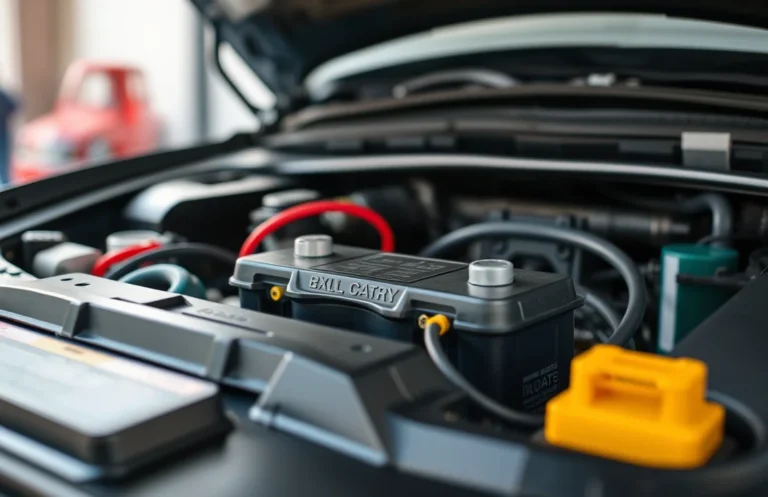
Battery manufacturers often provide CCA ratings on the battery label, allowing consumers to compare options easily. When selecting a battery, consider the CCA rating as a key factor, especially if you live in an area with extreme winter weather. Choosing a battery with an adequate CCA rating ensures dependable performance, optimizing your vehicle’s starting power in cold conditions.
Components Affecting CCA
Understanding the factors that influence Cold Cranking Amperes (CCA) ratings helps in selecting the right car battery for your vehicle. Several key components directly impact a battery’s CCA performance, ensuring reliable starting power in cold conditions.
1. Plate Material: The composition of the battery plates significantly affects CCA. Lead-acid batteries typically use lead and lead dioxide. The purity and thickness of these materials can enhance conductivity and overall performance.
2. Plate Configuration: The surface area of the plates influences how much current can be produced. Batteries with more plate surface area generally provide higher CCA, as they allow for greater chemical reactions during discharge.
3. Electrolyte Solution: The concentration and temperature of the electrolyte (usually a sulfuric acid solution) impact the battery’s ability to conduct electricity. A well-balanced electrolyte can improve the CCA rating.
4. Separator Quality: High-quality separators prevent short circuits and ensure efficient ion flow within the battery. This contributes to better CCA performance, particularly in extreme temperatures.
5. Battery Design: The overall design, including case materials and construction, affects thermal management and durability. A robust design can maintain performance under stress, leading to consistent CCA output.
Importance of CCA in Vehicles
Cold Cranking Amperage (CCA) is vital for vehicle performance, especially during cold weather conditions. It determines the battery’s ability to start an engine in low temperatures, where the thickening of engine oil and reduced chemical reactions can make starting more challenging.
During winter months or in colder climates, a battery with insufficient CCA may struggle to provide the necessary power to turn over the engine. Each vehicle requires a specific minimum CCA rating based on its engine size and design, making it essential for vehicle owners to choose batteries that meet these requirements. Low CCA can result in sluggish starts or complete failure to start, leading to inconveniences and potential safety risks.
For instance, if a battery has a CCA rating of 500 and the engine needs 400 amps to start, it should function properly in cold conditions. However, if the temperature drops significantly, the effective CCA may decrease, making it critical to have a battery that exceeds the minimum requirements. Regular maintenance and monitoring of battery health can help ensure reliability, particularly as temperatures fall.
Testing CCA Effectively
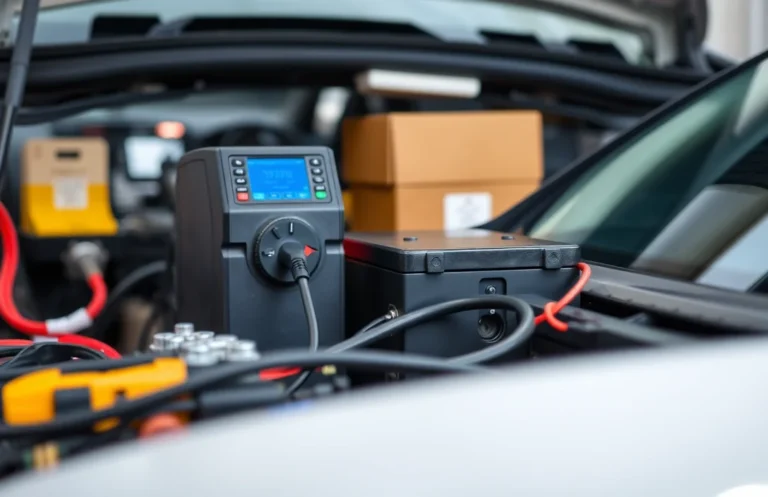
Testing the Cold Cranking Amps (CCA) of a car battery is essential for ensuring reliable performance, especially in cold weather. Accurate testing can help determine if a battery can start an engine under various conditions. There are several methods and tools available for this purpose.
One of the most common methods is using a digital multimeter. Set the multimeter to measure voltage and check the battery’s voltage under load. A reading below 12.4 volts typically indicates that the CCA may be insufficient. However, for precise CCA testing, a specialized battery load tester is recommended. This device applies a load to the battery while measuring voltage, allowing you to compare the results against the battery’s rated CCA.
Another effective tool is a battery analyzer, which provides a comprehensive assessment of battery health, including CCA. These analyzers can provide detailed insights and help identify other potential issues. Ensure that any testing is conducted in a controlled environment, ideally at room temperature, for the most accurate results. Always follow safety precautions when handling batteries, as they contain corrosive materials and can produce explosive gases.
Comparing CCA Ratings
Understanding the variations in CCA ratings among different battery brands and types is essential for making informed choices. Each manufacturer has its own testing standards and methodologies, which can lead to significant differences in CCA ratings. Here are examples from a few well-known brands across various battery types.
- Optima Batteries: The Optima Red Top series typically offers CCA ratings ranging from 720 to 800, making it suitable for high-performance vehicles.
- Interstate Batteries: Their MTP series generally presents CCA ratings from 650 to 850, catering to a wide range of cars, trucks, and SUVs.
- DieHard: The DieHard Platinum line features CCA ratings that can reach up to 850, ideal for extreme weather conditions.
- AC Delco: The AC Delco Professional series showcases CCA ratings from 600 to 800, designed for standard vehicles and everyday use.
- Exide: Exide’s Extreme line provides a CCA rating that ranges from 700 to 900, making it a reliable choice for heavy-duty applications.
These examples illustrate how CCA ratings can vary significantly among different brands and models. When selecting a battery, consider not only the CCA rating but also the specific requirements of your vehicle and driving conditions.
Impact of Low CCA
A car battery with low Cold Cranking Amps (CCA) can significantly affect vehicle performance, especially in cold weather or demanding conditions. Understanding these impacts is crucial for maintaining reliable vehicle operation.
Low CCA ratings can lead to starting difficulties, particularly in colder climates where the engine requires more power to crank. This can result in slow or failed engine starts, leaving drivers stranded. Additionally, insufficient CCA can affect the battery’s ability to power electrical components, leading to dim lights, weak wipers, and poor performance of the vehicle’s electronics.
Moreover, a battery with low CCA may have a shorter lifespan. When it struggles to provide adequate power, it can undergo more stress and wear, leading to premature failure. Drivers may also experience increased fuel consumption as the engine may work harder to start, impacting overall efficiency.
To avoid these issues, it’s essential to choose a battery with an appropriate CCA rating for the vehicle and local climate conditions. Regular checks and maintenance can also help ensure the battery remains in good condition, providing reliable performance when needed.
Quick Summary
- CCA stands for Cold Cranking Amps, a measurement of a car battery’s ability to start an engine in cold temperatures.
- The higher the CCA rating, the better the battery can perform in low temperatures.
- CCA is particularly important for vehicles in colder climates where starting power is crucial.
- A typical CCA rating for car batteries ranges from 300 to 800 amps, depending on the vehicle type.
- Choosing a battery with an appropriate CCA rating ensures reliable engine starts and overall vehicle performance.
- Battery maintenance and temperature management can influence the effective CCA of a battery.
- Always refer to the vehicle manufacturer’s specifications for the recommended CCA rating for optimal performance.
Frequently Asked Questions
What does CCA stand for in relation to car batteries?
CCA stands for Cold Cranking Amps. It is a measurement of a battery’s ability to start an engine in cold temperatures, indicating how much current the battery can deliver at 0°F (-18°C) for 30 seconds while maintaining a voltage of at least 7.2 volts.
Why is CCA important for my car battery?
CCA is crucial because it determines how well your battery can perform under cold conditions. A higher CCA rating means better starting power in cold weather, which is essential for vehicles in regions with harsh winters.
How do I know the CCA rating of my car battery?
The CCA rating is usually printed on the battery label or in the specifications provided by the manufacturer. If you can’t find it, you can check the owner’s manual or consult a professional at an auto parts store.
Can I use a battery with a lower CCA rating than recommended?
Using a battery with a lower CCA rating than recommended for your vehicle can lead to starting issues, especially in cold weather. It’s best to choose a battery that meets or exceeds the manufacturer’s specifications to ensure reliable performance.
How does temperature affect CCA performance?
As temperatures drop, a battery’s chemical reactions slow down, reducing its ability to deliver power. This is why CCA is particularly important in colder climates; a battery with a higher CCA rating can better withstand low temperatures and still provide the necessary starting power.

- Find the Right Engine Oil for Your Car: A Quick Guide - March 1, 2026
- Car Battery Booster Basics: Start Your Vehicle in Minutes - March 1, 2026
- How Long Does It Take To Charge A Motorcycle Battery Charging Time Guide - February 28, 2026